Frozen pipes are a headache every Belleville homeowner dreads when winter sets in. Water inside your pipes can turn to ice, expanding and pushing outward, which often leads to burst pipes and costly damage. This matters because exposed lines in basements, garages, and exterior walls are especially at risk for freezing. You will discover practical ways to protect your pipes, avoid emergency repairs, and learn when professional pipe freezing techniques are the best solution for your Illinois home.
Table of Contents
- What Is Pipe Freezing And Why It Matters
- Types Of Pipe Freezing Methods Used
- How Pipe Freezing Works In Plumbing Repairs
- Common Risks And Mistakes To Avoid
- Pipe Freezing Alternatives And Prevention Tips
Key Takeaways
| Point | Details |
|---|---|
| Frozen pipes can cause severe damage | When water in pipes freezes, it can lead to bursts, resulting in extensive water damage and costly repairs. |
| Preventive measures are crucial | Insulating vulnerable pipes and maintaining indoor temperatures above 55 degrees are effective strategies to prevent freezing. |
| Pipe freezing methods are efficient for repairs | Professional pipe freezing allows for targeted repairs without draining the entire water system, minimizing disruption and costs. |
| Proper thawing is essential | Incorrect thawing methods can exacerbate damage; it’s vital to shut off water supply before attempting any thawing actions. |
What Is Pipe Freezing and Why It Matters
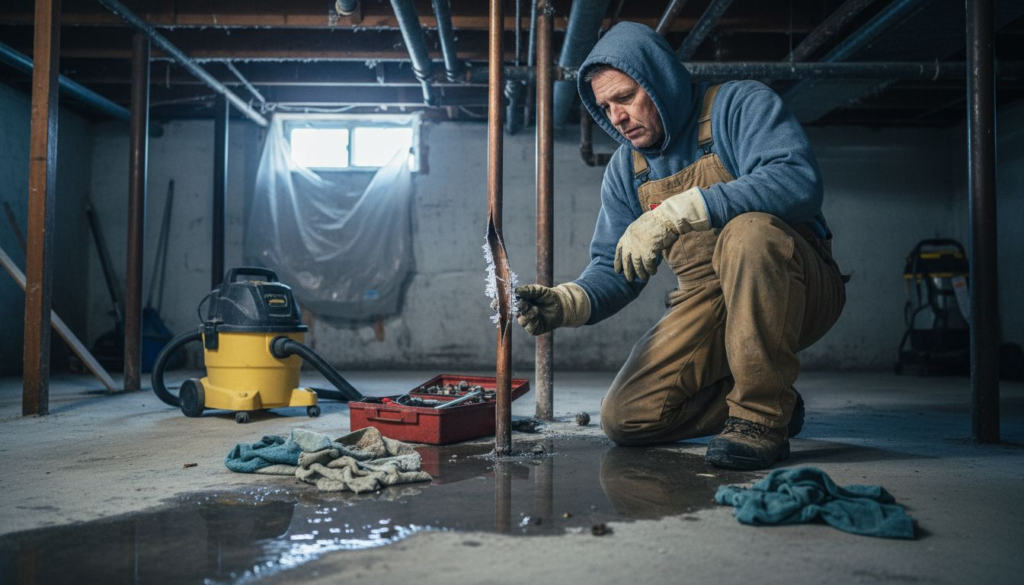
Pipe freezing happens when water inside your pipes turns to ice. This might sound simple, but the consequences are anything but. When water freezes, it expands and puts enormous pressure on your pipe walls from the inside out.
Understanding water expansion in frozen pipes is critical because that pressure can cause pipes to burst. A single burst pipe can lead to thousands of dollars in water damage to your Belleville home. The damage happens fast—sometimes in just a few hours.
Which Pipes Are Most at Risk?
Not all pipes in your home freeze at the same rate. The ones most vulnerable to freezing include:
- Outdoor hose bibs and water supply lines
- Pipes in unheated spaces like basements, crawl spaces, attics, and garages
- Pipes running along exterior walls with minimal insulation
- Kitchen cabinets on outside walls
- Water lines exposed to direct wind and cold air
In Belleville’s harsh winters, even pipes you’d think are protected can freeze if they’re not properly insulated. Older homes are particularly vulnerable since they often lack adequate pipe insulation.
Frozen pipes don’t always announce themselves—damage can spread internally before you notice any signs.
Why This Matters to Your Home
A burst pipe isn’t just an inconvenience. Here’s what happens when pipes burst from freezing:
- Water floods interior walls, ceilings, and floors
- Structural damage weakens your home’s foundation
- Mold grows in wet spaces, creating health hazards
- Your water supply shuts off completely
- Repair costs escalate quickly without professional help
You can minimize these risks by learning why pipes freeze during winter and taking preventive action now.
The good news? Most frozen pipe damage is preventable. Taking action before temperatures drop below freezing protects your investment and keeps your family safe.
Pro tip:Check your basement and crawl spaces this week—if you find exposed pipes without insulation, schedule an inspection with Davinroy Plumbing before the first deep freeze arrives.
Types of Pipe Freezing Methods Used
Pipe freezing methods are industrial and residential techniques used to stop water flow inside pipes without draining the entire system. A freeze plug forms when water inside the pipe turns to ice, temporarily sealing the line so repairs can happen safely.
This approach is different from traditional repairs because it keeps the system intact. Instead of shutting down your entire water supply, technicians create a temporary ice barrier in the specific section needing work.
How Professional Pipe Freezing Works
Professional plumbers use specialized equipment to freeze pipes from the outside. The most common method involves circulating liquid nitrogen through jacketed collars around the pipe to rapidly form an ice plug.
Here’s the basic process:
- Technician identifies the section needing repair
- A collar or jacket is placed around the pipe
- Refrigerant circulates through the jacket, cooling the pipe
- Water inside freezes solid, creating a temporary seal
- Work is completed safely without system drainage
- The ice plug melts once the cooling stops
This method works faster than traditional approaches and costs less to install.
Here’s a summary comparing common pipe freezing repair methods and their impact on your home:
| Method | Water Disruption | Repair Time | Typical Cost |
|---|---|---|---|
| System Drain | Entire home loses water | Several hours | Highest (labor-intensive) |
| Pipe Freezing | Only affected section loses water | 1-3 hours | Lower (minimal water loss) |
| Hot Tapping | Partial water loss in work area | Several hours | Moderate (specialized tools) |
Why Freezing Beats Other Methods
Plumbers choose pipe freezing over alternatives for several important reasons:
- Safety: No need to drain pressurized systems or use hot tapping methods
- Efficiency: Repairs complete quickly with minimal water loss
- Cost: Lower installation expenses compared to other line-stopping techniques
- Temporary: The ice plug melts naturally when cooling stops—no permanent obstruction
- System integrity: Keeps your water supply running in unaffected areas
For homeowners in Belleville dealing with frozen or damaged pipes, understanding these professional repair methods helps you know what to expect when calling for help.
Professional pipe freezing is especially valuable when repairs need temporary isolation without full system shutdown.
Davinroy Plumbing uses advanced freezing techniques when necessary, ensuring your pipes get fixed safely and your water service returns quickly.
Pro tip:When scheduling frozen pipe repairs, ask your plumber if pipe freezing methods are appropriate for your situation—it often means faster repairs and lower costs than traditional system drains.
How Pipe Freezing Works in Plumbing Repairs
Pipe freezing in plumbing repairs is a controlled process that stops water flow in a specific pipe section without shutting down your entire water system. Think of it as creating a temporary ice dam inside the pipe that allows work to happen safely.
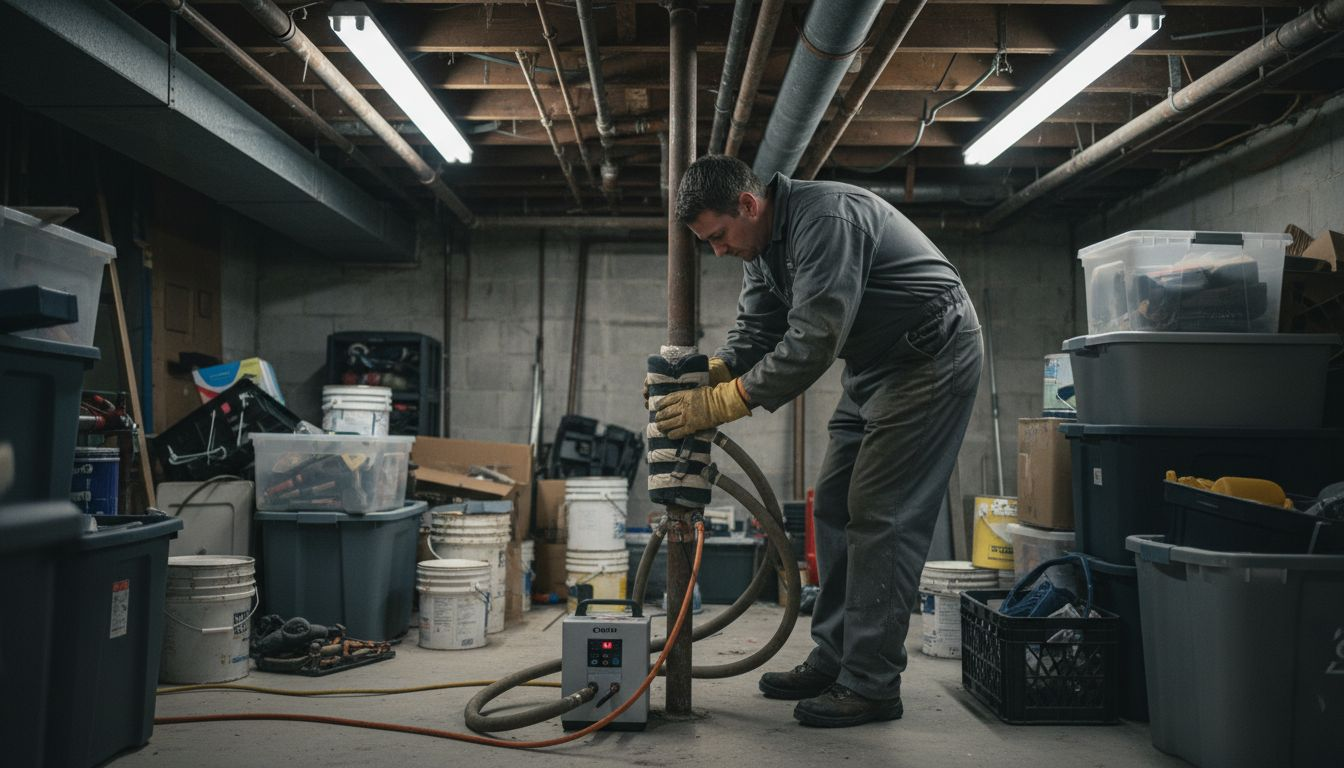
The technique relies on one simple principle: when water freezes solid, it stops moving. Technicians use this physics to isolate problem areas and complete repairs efficiently.
The Step-by-Step Process
Here’s how professionals execute pipe freezing repairs:
- Identify the pipe section requiring work
- Position a cooling collar or jacket around the target area
- Circulate refrigerant (typically liquid nitrogen) through the jacket
- Monitor temperature as water inside the pipe begins to freeze
- Wait for a solid ice plug to form completely
- Perform cutting, repairs, or modifications safely
- Remove the cooling jacket and allow the pipe to thaw
- Test the repaired section for leaks
The entire process takes hours depending on pipe diameter and existing temperature conditions.
Why This Matters for Your Repair
When forming a freeze plug inside a full pipe, technicians don’t need to drain your entire water system. This means your other faucets, toilets, and appliances keep working normally while repairs happen in the isolated section.
Key advantages include:
- Minimal water waste during repairs
- No need to shut off main water supply
- Faster project completion
- Lower labor costs
- Reduced disruption to your daily routines
For Belleville homeowners, this method saves time and money compared to traditional system drains.
Pipe freezing eliminates the need to drain your entire plumbing system, keeping water flowing where you need it during repairs.
After the Repair Is Done
Once work is complete, the cooling jacket comes off and the ice plug naturally melts as the pipe returns to room temperature. Technicians then inspect the repair for leaks and confirm everything flows properly.
The entire system returns to normal operation without any permanent modifications to your pipes.
Pro tip:Ask Davinroy Plumbing if pipe freezing is suitable for your repair—it’s ideal for isolated issues and often completes faster than traditional methods, potentially saving you hundreds in labor costs.
Common Risks and Mistakes to Avoid
Frozen pipes aren’t just inconvenient—mistakes in handling them can turn a manageable problem into a disaster. Understanding what NOT to do is just as important as knowing what to do.
Many homeowners unintentionally make their pipe freezing situations worse by rushing or using unsafe methods. The good news is that most of these mistakes are completely preventable.
The Biggest Thawing Mistakes
Thawing frozen pipes improperly using open flames or high heat causes pipe damage and serious safety hazards. Never use these methods:
- Blowtorches or acetylene torches
- Open flames near pipes
- Space heaters placed directly against pipes
- Excessive heat in concentrated areas
These techniques cause rapid pressure buildup inside pipes, leading to bursts, fires, or carbon monoxide poisoning. Slow, even thawing is always safer.
Another critical mistake is thawing without shutting off the water supply first. If a pipe has a small crack, thawing it while water pressure builds can cause catastrophic flooding.
Prevention Mistakes Homeowners Make
Most frozen pipe problems start with neglect during fall. Common errors include:
- Failing to insulate vulnerable pipes in unheated spaces
- Leaving outdoor water lines connected and undrained
- Allowing interior temperatures to drop below 55 degrees
- Ignoring the need to let faucets drip during cold snaps
- Closing cabinet doors under sinks (blocking warm air)
These oversights leave your pipes exposed to freezing temperatures with no protection.
After Thawing: What to Watch For
Don’t assume everything is fine once water flows again. Monitor your pipes for leaks after thawing to catch damage early.
Small cracks may not leak immediately—they can rupture hours or days later as water pressure increases.
Never rush the thawing process or assume your pipe is fine just because water flows again—professional inspection catches hidden cracks before they flood your home.
When in doubt about whether your pipe damage is serious, call Davinroy Plumbing. Attempting risky thawing methods or ignoring potential cracks costs far less to fix when addressed early.
Pro tip:If you discover a frozen pipe, immediately shut off your main water valve before attempting any thawing—this single action prevents 80% of burst pipe damage in Belleville homes.
Pipe Freezing Alternatives and Prevention Tips
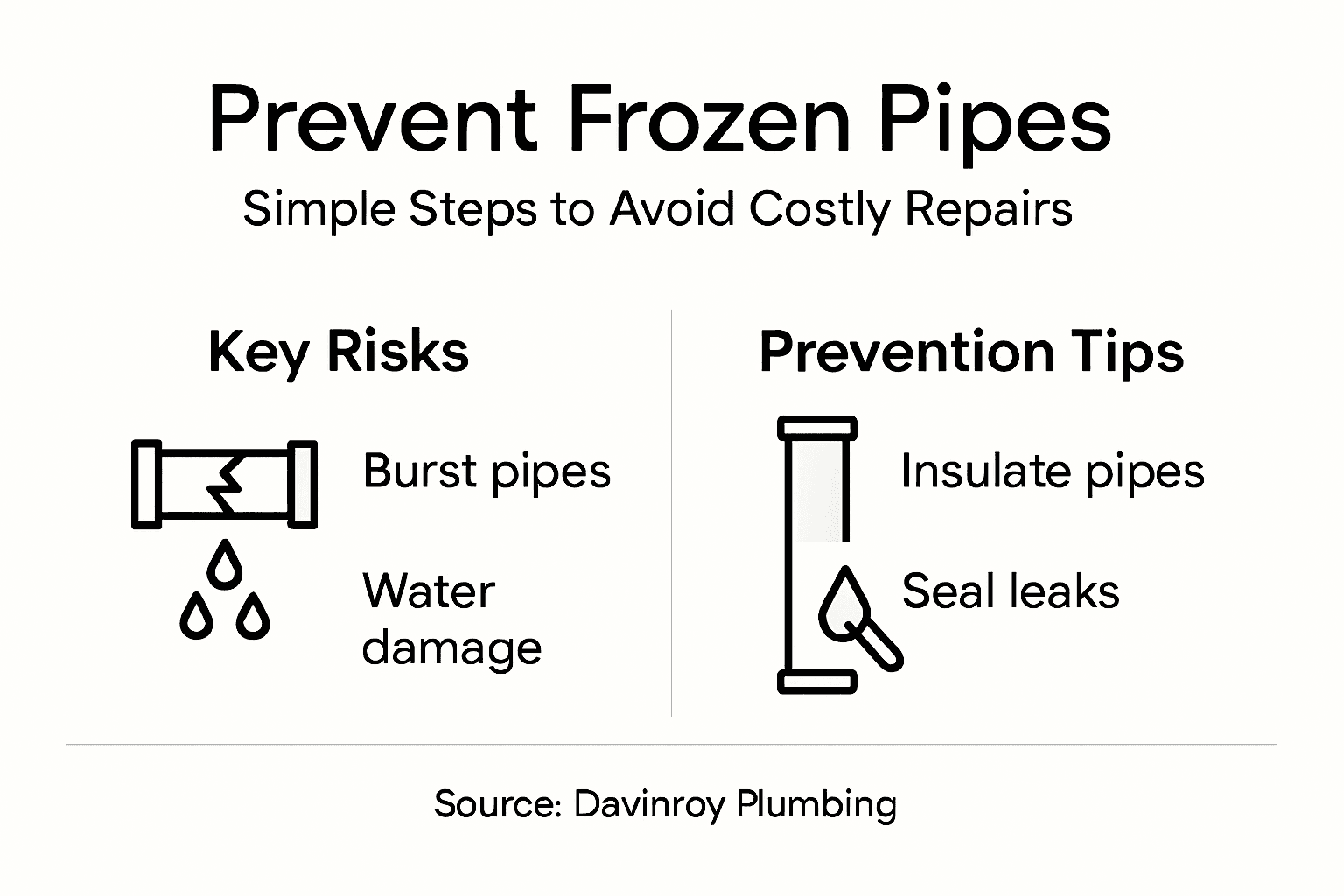
Preventing frozen pipes is far easier and cheaper than dealing with burst pipes and water damage. The best strategy isn’t waiting for freezing to happen—it’s stopping it before winter arrives.
Pipe freezing repair techniques exist for emergencies, but prevention should always be your first priority. A few simple steps taken in fall can save thousands in damage costs.
Insulation Is Your First Line of Defense
Insulating pipes especially in unheated areas is the most effective prevention method. Focus on these vulnerable zones:
- Basements and crawl spaces
- Attics and roof lines
- Exterior walls with minimal insulation
- Garages and unheated sheds
- Kitchen cabinets on outside walls
- Water supply lines running along cold surfaces
Pipe insulation foam is inexpensive and takes minutes to install. Wrap it around exposed pipes before December arrives.
Additional Prevention Strategies
Insulation alone isn’t always enough in Belleville’s harsh winters. Layer these prevention methods for maximum protection:
- Drain outdoor lines before temperatures drop below freezing
- Use UL-listed heat tapes on pipes in extremely cold zones
- Keep cabinet doors open under sinks to allow warm air circulation
- Let faucets drip slowly during extended cold snaps
- Seal air leaks around pipes where cold air enters
- Maintain consistent heating indoors, especially at night
Sealing air leaks costs nothing if you use caulk you already have. Opening cabinet doors requires zero effort but prevents freezing in that critical area.
Quick reference: key prevention strategies and their benefits for Belleville homeowners:
| Prevention Strategy | Typical Cost | Protection Level |
|---|---|---|
| Pipe insulation foam | Under $50 | High for exposed pipes |
| Heat tape installation | $50-$100 | Extra protection in cold zones |
| Air leak sealing | Minimal (DIY) | Reduces cold air exposure |
| Letting faucets drip | No added cost | Prevents pipe freezing during cold snaps |
Temperature Control Matters
Keeping your home heated to at least 55 degrees overnight protects pipes even when you’re away. Don’t let thermostats drop below freezing during winter months.
Garage doors should stay closed if water supply lines run through that space. Keeping doors open invites cold air directly onto your pipes.
Prevention costs dollars; frozen pipe repairs cost thousands—insulate vulnerable pipes this fall before winter weather arrives.
When to Call Professionals
If you’re unsure whether your pipes need additional protection, Davinroy Plumbing can inspect your home and recommend specific upgrades. Professional installation of heat tapes and insulation ensures proper placement and safety.
Scheduling a fall inspection is far smarter than handling emergency thawing in January.
Pro tip:Install pipe insulation foam on basement and crawl space pipes before October—this single step prevents 70% of frozen pipe calls in Belleville homes and costs under fifty dollars.
Protect Your Home From Costly Pipe Freezing Damage Today
Frozen pipes pose a serious threat to your Belleville home causing bursts water damage and costly repairs. The challenge is clear: you need safe effective solutions to prevent freezing and ensure quick repairs when problems arise. With terms like freeze plugs and pipe insulation central to protecting your home your goal is to act before winter hits and avoid emergency floods.

Trust Davinroy Plumbing to deliver expert frozen pipe repair and prevention services tailored for harsh Illinois winters. Our skilled team uses advanced techniques to fix frozen pipes safely without shutting off your entire water supply minimizing disruption and expense. Explore reliable preventative measures and repair options in our Plumbing Archives – Davinroy Plumbing and Mechanical. Don’t wait for a burst pipe to cost you thousands call us now at Davinroy Plumbing and safeguard your home with proven solutions designed to keep your plumbing flowing smoothly through the cold months.
Frequently Asked Questions
What causes pipes to freeze?
Pipes freeze when the water inside expands due to low temperatures, putting pressure on the pipe walls. Vulnerable areas include unheated spaces like basements and exterior walls.
How does pipe freezing work for repairs?
Pipe freezing creates an ice plug inside a section of the pipe, allowing plumbing repairs to be made without draining the entire system. Liquid nitrogen is often used to rapidly freeze the water inside the pipe.
What are the risks of thawing frozen pipes improperly?
Using open flames or high heat methods can damage pipes, causing them to burst and leading to flooding or serious safety hazards. It is essential to thaw pipes slowly and safely, ideally with professional assistance.
How can I prevent my pipes from freezing?
To prevent frozen pipes, insulate exposed pipes, maintain a consistent indoor temperature above 55°F, and allow faucets to drip during extreme cold. Sealing air leaks and draining outdoor lines can also provide added protection.