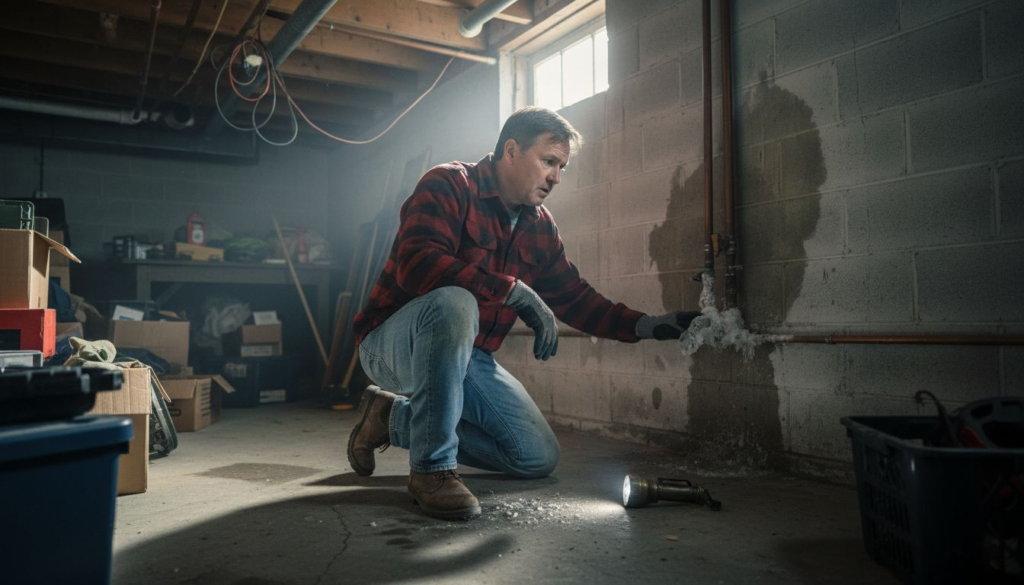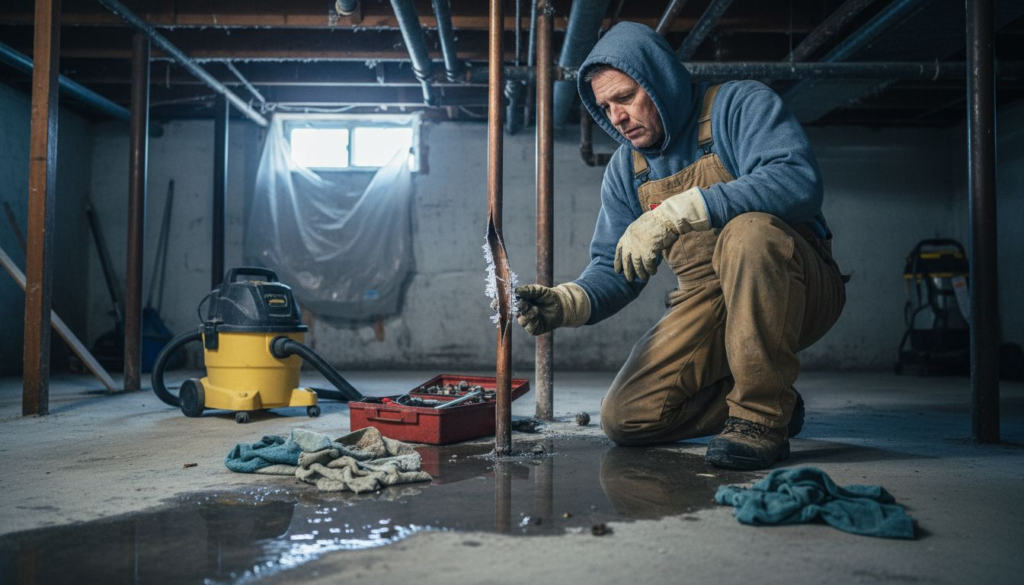
Frozen pipes are a nightmare few Belleville homeowners want to face, especially when winter temperatures dip below freezing. A single burst can lead to thousands of dollars in water damage, destroyed possessions, and even health risks from mold. Understanding how frozen pipes happen and learning smart prevention strategies is the key to protecting your home, your wallet, and your peace of mind all season long.
Table of Contents
- Frozen Pipes Explained: What Happens And Why
- Common Causes And Signs Of Frozen Pipes
- Types Of Damage Frozen Pipes Cause
- Health, Safety, And Insurance Implications
- Repair Costs And Why Prevention Saves Money
- Trusted Solutions For Belleville Homeowners
Key Takeaways
| Point | Details |
|---|---|
| Risk of Frozen Pipes | Frozen pipes can cause significant damage, including structural issues and health hazards, especially when temperatures drop below 32°F. |
| Preventative Measures | Keeping your home heated above 55°F and insulating vulnerable pipes are crucial steps to prevent freezing. |
| Recognizing Signs | Homeowners should be alert to indicators like reduced water flow and visible frost on pipes to address problems early. |
| Financial Implications | The cost of repairing damage from frozen pipes can be substantial; proactive measures can save thousands in potential repairs. |
Frozen pipes explained: What happens and why
Frozen pipes are more than just an inconvenience – they’re a potential disaster waiting to happen. When water inside pipes freezes, it undergoes a surprising transformation that can wreak havoc on your home’s plumbing system. Understanding how and why pipes freeze helps homeowners take critical preventative steps.
The science behind frozen pipes is straightforward: water expands as it freezes, creating immense pressure inside the pipe’s confined space. Water’s unique molecular structure means it increases in volume by approximately 9% when transitioning from liquid to solid state. This expansion generates tremendous internal pressure – sometimes reaching hundreds of pounds per square inch – which can cause pipes to crack, split, or burst completely.
Pipes most vulnerable to freezing are typically located in specific areas of your home:
- Exterior walls with minimal insulation
- Unheated basement spaces
- Crawl spaces
- Attics
- Garage areas
- Outdoor hose bibs and water connection points
The risk dramatically increases when temperatures drop below 32°F, especially during prolonged cold snaps common in Belleville’s winter months. Factors like wind chill, insufficient home heating, and poor pipe insulation can accelerate the freezing process.
Here’s a summary of pipe freezing risk factors and their impact on your home:
| Risk Factor | Description | Typical Impact |
|---|---|---|
| Temperature below 32°F | Prolonged cold can freeze water in pipes | Increased burst risk |
| Poor insulation | Limited thermal protection around pipes | Higher likelihood of freezing |
| Unheated spaces | Pipes in cold basements or attics | Greater vulnerability |
| Wind exposure | Drafts accelerate pipe cooling | Faster freezing rates |
| Aging infrastructure | Old pipes react worse to freezing | Greater chance of rupture |
Pro tip: Maintain your home’s interior temperature above 55°F, even when you’re away, to help prevent pipes from freezing and potentially bursting.
Common causes and signs of frozen pipes
Frozen pipes are a serious threat to homeowners, especially during Belleville’s harsh winter months. Pipe freezing occurs due to prolonged cold exposure and can happen in multiple areas of your home, creating potentially catastrophic damage if left unaddressed.
The primary causes of frozen pipes stem from specific environmental and structural conditions:
- Temperatures dropping below 32°F
- Inadequate home insulation
- Pipes located in unheated spaces
- Exterior walls with minimal thermal protection
- Proximity to cold drafts or wind exposure
- Aging or deteriorating pipe infrastructure
Recognizing the signs of frozen pipes is crucial for preventing extensive water damage. Homeowners should watch for several key indicators:
- Significantly reduced or no water flow from faucets
- Visible frost accumulation on pipe surfaces
- Unusual bulging or swelling of pipe sections
- Strange sounds like cracking or whistling when attempting to use water
- Unexplained cold spots along pipe routes
- Water pressure changes in specific areas of your home
Pro tip: Keep cabinet doors open during extreme cold to allow warm air circulation around interior plumbing, helping prevent unexpected freezing.
Types of damage frozen pipes cause
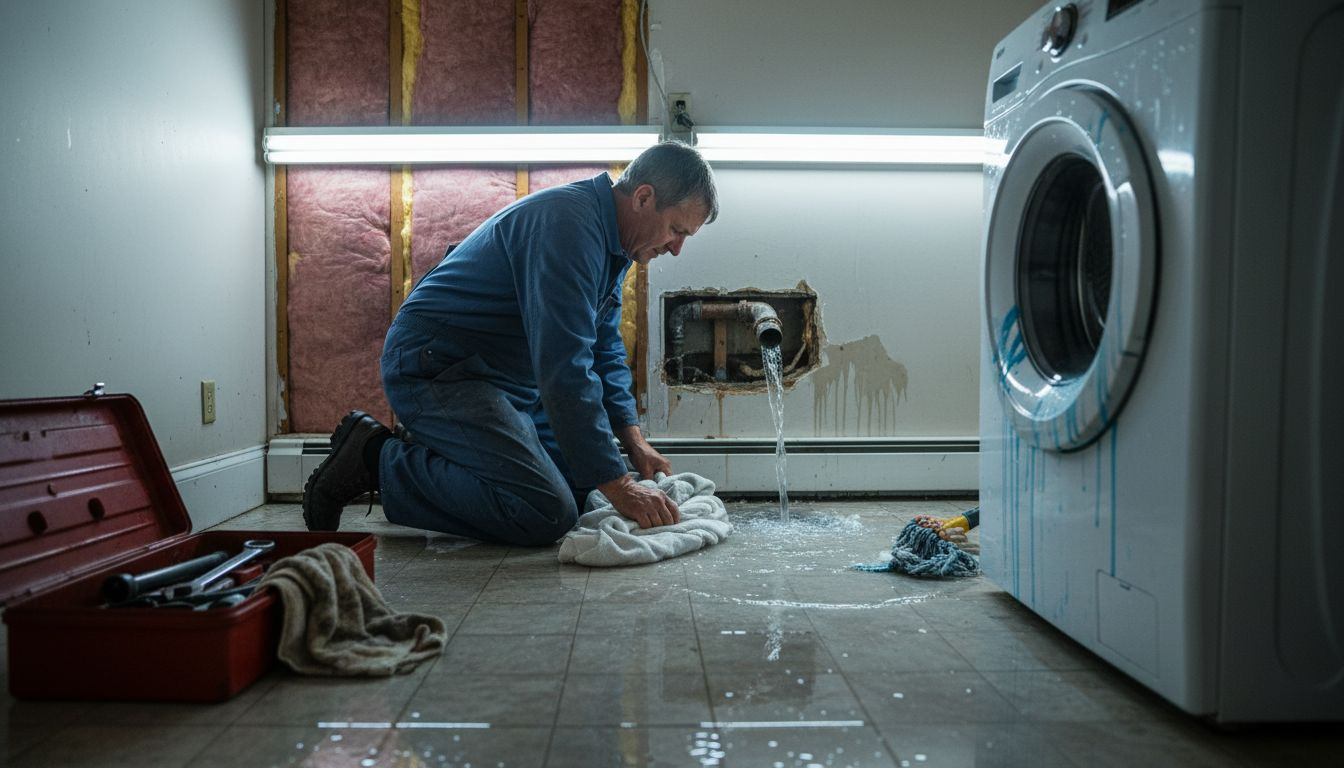
Frozen pipes can unleash devastating consequences on your home, transforming a minor plumbing issue into a major financial nightmare. Pipe bursts can cause extensive water damage that goes far beyond simple repair costs, impacting multiple aspects of your property and personal life.
The types of damage caused by frozen pipes are extensive and potentially catastrophic:
-
Structural Damage
- Water-logged walls and ceilings
- Compromised building foundation
- Weakened wooden structures and framing
- Potential electrical system damage
-
Personal Property Destruction
- Ruined furniture and carpeting
- Damaged electronics and personal belongings
- Destroyed important documents and photographs
- Potential loss of irreplaceable family heirlooms
-
Health Hazards
- Rapid mold and mildew growth
- Increased risk of bacterial contamination
- Potential respiratory issues from moisture damage
- Long-term indoor air quality problems
Financial Impact can be substantial, with repair costs potentially ranging from hundreds to tens of thousands of dollars. Water damage restoration, structural repairs, and replacement of personal property can quickly escalate expenses beyond typical homeowner’s insurance coverage.
Frozen pipe damage is not just a plumbing problem – it’s a comprehensive home emergency that can disrupt your entire living environment.
Pro tip: Document all damages immediately with photographs and keep detailed records for insurance purposes, as comprehensive documentation can significantly streamline your recovery process.
Health, safety, and insurance implications
Frozen pipes pose far more than just a plumbing inconvenience – they represent a serious threat to your home’s safety and your family’s health. Water damage from burst pipes creates multiple health risks that extend well beyond immediate structural concerns.
Key Health and Safety Risks include:
-
Electrical Hazards
- Water contact with electrical systems
- Potential for short circuits
- Risk of electrical shock
- Increased fire danger
-
Respiratory Health Threats
- Rapid mold and mildew growth
- Potential allergen proliferation
- Increased risk of respiratory infections
- Compromised indoor air quality
-
Water Contamination Dangers
- Potential introduction of harmful bacteria
- Risk of lead or chemical leaching
- Compromised water supply integrity
- Potential long-term health exposure
Insurance Considerations are equally critical. Most homeowner’s insurance policies cover water damage from burst pipes, but they often require evidence of reasonable maintenance and preventative actions. Insurers typically expect homeowners to:
- Demonstrate regular pipe maintenance
- Provide documentation of prevention efforts
- Show prompt response to potential freezing conditions
- Maintain consistent home heating
Insurance will not cover negligence. Proactive prevention is your best protection against potential claim denials.
Pro tip: Photograph your preventative maintenance efforts and keep detailed records of pipe inspections, as these can be crucial documentation for potential insurance claims.
Repair costs and why prevention saves money
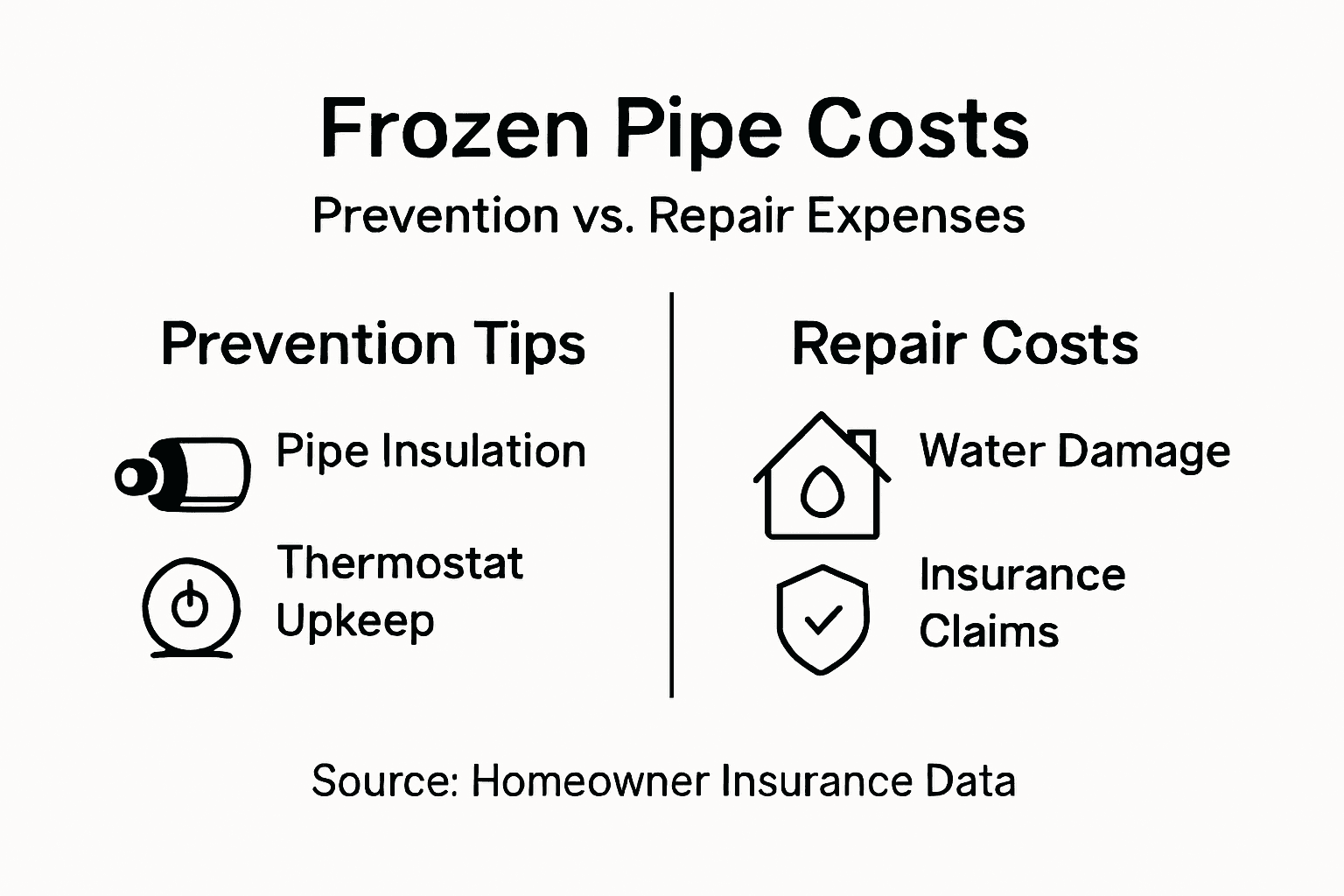
Homeowners often underestimate the financial impact of frozen pipes until they’re facing a costly disaster. Preventing pipe damage can save thousands of dollars in potential repair and restoration expenses, making proactive maintenance a smart financial strategy.
Average Cost Breakdown for Pipe Damage:
-
Minor Pipe Repair
- Basic pipe repair: $150 – $500
- Emergency plumber visit: $200 – $400
- Diagnostic services: $100 – $250
-
Extensive Water Damage
- Structural repairs: $1,000 – $5,000
- Water damage restoration: $2,500 – $7,500
- Mold remediation: $500 – $6,000
- Personal property replacement: Variable
-
Total Potential Damage Costs
- Minimum estimate: $3,000
- Average estimate: $5,000 – $12,000
- Maximum potential cost: $15,000 – $25,000
Preventative measures are significantly less expensive compared to post-damage repairs. Simple interventions like proper insulation, maintaining consistent home temperatures, and periodic pipe inspections can dramatically reduce the risk of costly water damage.
Prevention isn’t an expense – it’s an investment in your home’s long-term integrity and your family’s financial security.
Pro tip: Allocate approximately 1-2% of your home’s annual maintenance budget specifically for pipe insulation and winterization to avoid exponentially higher repair costs.
Trusted solutions for Belleville homeowners
Belleville residents face unique winter challenges that demand proactive and strategic approaches to pipe protection. Identifying vulnerable pipes and implementing preventative strategies is crucial for maintaining your home’s integrity during cold months.
Comprehensive Pipe Protection Strategies:
-
Insulation Techniques
- Pipe sleeves
- Heat tape applications
- Foam pipe insulation
- Weatherstripping for exterior walls
-
Home Temperature Management
- Maintain consistent indoor heating
- Keep interior doors open for air circulation
- Open cabinet doors near plumbing
- Seal drafts and air leaks
-
Emergency Preparedness
- Know location of main water shut-off valve
- Keep emergency plumber contact information accessible
- Maintain basic pipe thawing tools
- Create winter home maintenance checklist
Professional intervention remains the most reliable solution. Licensed plumbers can conduct comprehensive pipe assessments, recommend personalized protection strategies, and provide emergency services tailored to Belleville’s specific climate conditions.
Compare common pipe protection solutions for Belleville homeowners:
| Solution Type | Key Benefit | Typical Cost Range | Level of Maintenance Needed |
|---|---|---|---|
| Pipe insulation | Shields pipes from cold | $50 – $300 upfront | Low – annual inspection |
| Heat tape | Adds warmth to exposed sections | $30 – $100 per pipe | Moderate – seasonal setup |
| Professional checkup | Finds hidden vulnerabilities | $100 – $250 visit | Low – once per year |
| Emergency plumber | Responds to urgent freezing problems | $200 – $400 visit | Reactive only |
Professional maintenance is an investment, not an expense – protecting your home’s most critical infrastructure.
Pro tip: Schedule a professional pipe inspection before winter to identify and address potential vulnerabilities proactively.
Protect Your Belleville Home From Frozen Pipe Disasters Today
Frozen pipes can cause serious damage to your home’s structure and threaten your family’s health while draining your wallet with costly repairs. If you are worried about cracked or burst pipes due to cold temperatures, poor insulation, or unheated spaces, you are not alone. Davinroy Plumbing specializes in frozen pipe repair services tailored for Belleville homeowners who want to avoid the devastating aftermath of burst pipes and water damage.

Don’t wait until a pipe bursts or water damage wreaks havoc. Act now to safeguard your plumbing with expert maintenance and emergency repairs from trusted professionals. Visit our Davinroy Plumbing website to schedule your inspection or repair. Learn more about our reliable frozen pipe repair services and keep your home warm, safe, and dry through every winter season.
Frequently Asked Questions
What causes pipes to freeze?
Pipes typically freeze due to prolonged exposure to temperatures below 32°F, especially in areas with inadequate insulation, unheated spaces, or drafts.
How can I tell if my pipes are frozen?
Signs of frozen pipes include significantly reduced or no water flow from faucets, visible frost on pipe surfaces, unusual bulging in pipes, and strange sounds when attempting to use water.
What damage can frozen pipes cause to my home?
Frozen pipes can lead to extensive damage, including structural issues, destruction of personal property, and health hazards like mold growth due to water leaks from burst pipes.
How can I prevent my pipes from freezing?
To prevent frozen pipes, ensure proper insulation, maintain consistent indoor heating, keep cabinet doors open during extreme cold, and seal drafts to protect exposed pipes.