Waking up to a burst pipe and a flooded basement is a winter nightmare for many Belleville homeowners. Frozen pipes are not just inconvenient, they can lead to significant water damage and costly repairs if left unchecked. By focusing on inspecting vulnerable pipe locations, improving insulation, and sealing out cold air, you can take practical steps to protect your home when temperatures drop in Illinois. This guide shares straightforward, effective prevention strategies you can start using today.
Table of Contents
- Step 1: Inspect Vulnerable Pipes For Risk Areas
- Step 2: Insulate Exposed Plumbing In Cold Zones
- Step 3: Seal Drafts And Block Cold Air Entry Points
- Step 4: Maintain Safe Indoor Temperatures
- Step 5: Test Water Flow To Verify Pipe Protection
Quick Summary
| Important Insight | Description |
|---|---|
| 1. Inspect vulnerable pipe areas | Focus on unheated spaces like attics and basements, where freezing risks are highest. |
| 2. Properly insulate exposed pipes | Use foam sleeves and heat tape to minimize heat loss in susceptible areas. |
| 3. Seal drafts effectively | Identify and seal air leaks around pipes to stop cold air from entering your home. |
| 4. Maintain indoor temperatures | Keep home temperatures consistently above 55°F to prevent pipes from freezing. |
| 5. Monitor water flow regularly | Check for consistent water flow to detect early signs of freezing in pipes. |
Step 1: Inspect vulnerable pipes for risk areas
Identifying potential pipe freeze zones is crucial for protecting your home during winter. You’ll want to systematically assess the most vulnerable areas where cold temperatures can compromise your plumbing system.
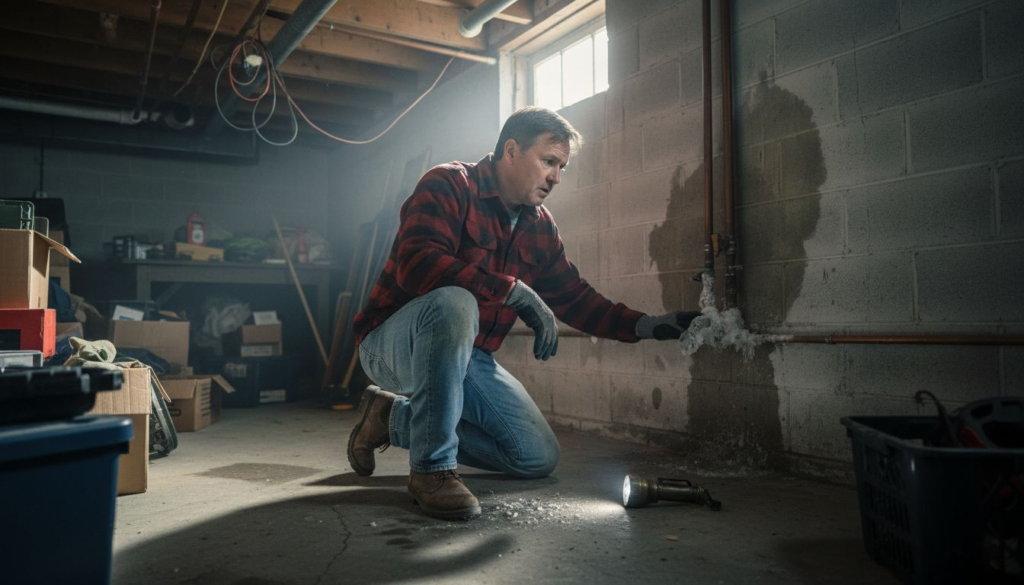
Start by examining pipes located in unheated or minimally heated spaces such as attics, basements, crawl spaces, and exterior walls. These locations are most susceptible to freezing because they experience significant temperature fluctuations. Identifying risk areas for pipe damage helps you take proactive prevention steps.
Key areas to inspect include:
- Pipes near windows or exterior doors
- Uninsulated sections of piping
- Plumbing running through unheated garage spaces
- Water lines in exterior walls with minimal insulation
- Outdoor hose bibs and connecting pipes
Look for signs of potential vulnerability like cold drafts, visible gaps around pipe entries, and insufficient insulation. Pay special attention to older homes with legacy plumbing systems that might not meet current building standards.
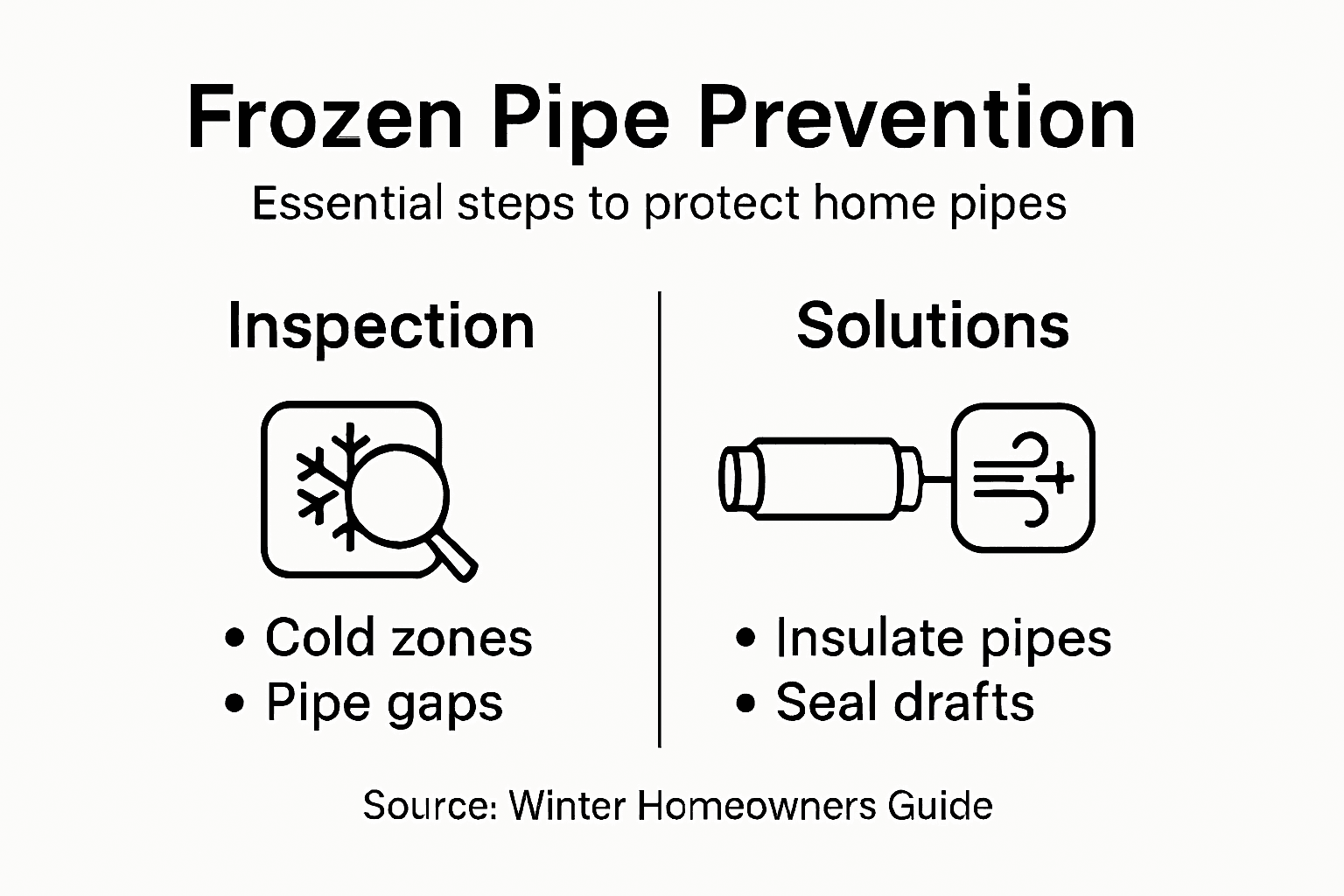
Here’s a summary of common pipe freeze risk areas and why they’re vulnerable:
| Area Type | Reason for Risk | Typical Solutions |
|---|---|---|
| Attic | Minimal heating, exposed pipes | Add insulation, seal drafts |
| Basement | Poor insulation, cold floors | Pipe sleeves, foam sealant |
| Exterior Wall | High temperature fluctuation | Wall insulation, heat tape |
| Crawl Space | Unheated, exposed to elements | Rigid foam, draft blockers |
Carefully check for any existing cracks or openings where cold air could penetrate and reduce pipe temperatures. Seal these entry points with appropriate weatherstripping or insulating foam to minimize exposure.
Cold drafts and insufficient insulation are primary culprits behind frozen pipe risks.
Pro tip: Use an infrared thermometer to quickly identify temperature variations along your pipe systems and detect potential freezing zones before they become problematic.
Step 2: Insulate exposed plumbing in cold zones
Protecting your pipes from freezing requires strategic insulation in vulnerable areas. Your goal is to create a barrier that prevents heat loss and maintains consistent temperatures around your plumbing system.
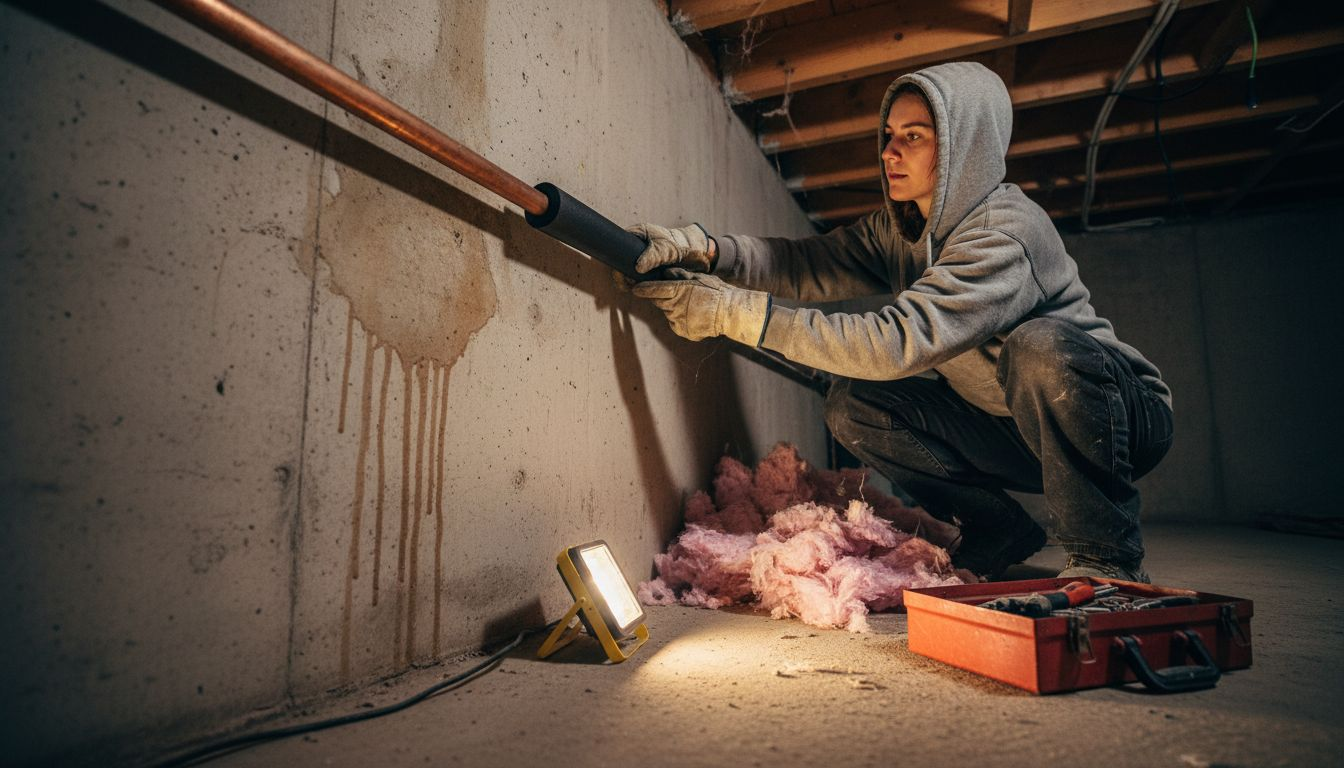
Effective pipe insulation techniques can dramatically reduce the risk of pipe damage during cold weather. Start by focusing on pipes located in unheated spaces like attics, basements, crawl spaces, and exterior walls. Foam pipe sleeves are an excellent first line of defense, providing critical thermal protection.
Key insulation strategies include:
- Covering pipes with foam insulation sleeves
- Using heat tape on especially vulnerable sections
- Adding extra insulation in walls with exterior exposure
- Sealing any air gaps near pipe entry points
- Wrapping pipes in heat-resistant insulating materials
Pay special attention to pipes near windows, exterior walls, and in unheated spaces. Measure pipe lengths carefully before purchasing insulation to ensure complete coverage. For pipes in extremely cold zones, consider using UL-listed heat tape or warming cables that provide active temperature regulation.
For quick reference, here’s an overview of popular pipe insulation materials and their best uses:
| Insulation Material | Ideal Application | Advantages |
|---|---|---|
| Foam Sleeves | Most indoor pipes | Easy install, affordable |
| Heat Tape | Extreme cold sections | Prevents freeze reliably |
| Fiberglass Wrap | Large, irregular pipes | Handles high temperatures |
| Insulating Foam | Sealing pipe entry gaps | Blocks air infiltration |
Proper insulation can prevent costly pipe repairs and potential water damage.
Pro tip: Check local hardware stores for pre-slit foam pipe insulation that makes installation quick and easy, allowing you to cut and wrap pipes in minutes.
Step 3: Seal drafts and block cold air entry points
Preventing frozen pipes requires stopping cold air from infiltrating your home. Your mission is to identify and eliminate potential draft sources that could compromise your plumbing system’s temperature.
Comprehensive home air sealing techniques can dramatically reduce the risk of cold air penetration. Focus on critical areas where pipes enter walls, around windows, and near exterior doors. Weatherstripping and caulking are your primary defense against unwanted drafts that can lower pipe temperatures.
Key draft-sealing strategies include:
- Applying foam sealant around pipe entry points
- Replacing worn weatherstripping on doors and windows
- Checking for gaps around electrical outlets on exterior walls
- Using expandable foam for larger openings
- Installing draft stoppers under exterior doors
Inspect your home thoroughly for potential cold air entry points. Pay special attention to basement and attic areas where pipes are most exposed. Use a candle or incense stick to detect subtle air movements near potential draft sources – the flickering will reveal hidden air leaks that could compromise your pipe insulation.
Small gaps can let in significant cold air, dramatically increasing freeze risk.
Pro tip: Purchase a multipurpose caulk and foam sealant kit that works on various surfaces, allowing you to tackle multiple draft sources in a single home improvement session.
Step 4: Maintain safe indoor temperatures
Protecting your pipes from freezing requires strategic temperature management throughout your home. Your goal is to create a consistent warm environment that prevents pipes from dropping to dangerous temperatures.
Effective indoor temperature strategies are critical in preventing pipe damage during cold weather. Keep your home’s temperature consistently above 55°F, even when you’re away or sleeping. Thermostat management becomes your primary defense against potential pipe freezing incidents.
Key temperature maintenance techniques include:
- Setting thermostat no lower than 55°F day and night
- Opening cabinet doors near interior plumbing to circulate warm air
- Using space heaters cautiously in vulnerable areas
- Keeping garage doors closed if pipes run through that space
- Maintaining consistent heat distribution throughout the home
Monitor temperature zones carefully. Pay special attention to areas with exposed pipes like basements, attics, and crawl spaces. If you’re planning to be away, consider leaving a small amount of heat running to prevent potential freezing. Use programmable thermostats to automate temperature management and ensure consistent warmth.
Consistent indoor temperatures are your best defense against frozen pipes.
Pro tip: Invest in a smart thermostat that allows remote temperature monitoring and adjustment, giving you real-time control even when you’re away from home.
Step 5: Test water flow to verify pipe protection
Monitoring your home’s water system during cold weather is crucial for preventing potential pipe damage. Your goal is to actively check and confirm that your pipes remain functional and unfrozen.
Effective water flow testing methods help homeowners detect potential freezing issues early. Drip faucets strategically to keep water moving and reduce freezing risks. Running a steady, thin stream of water from vulnerable pipe locations can prevent ice formation and provide immediate feedback on pipe conditions.
Key water flow verification techniques include:
- Checking faucets connected to exterior or unheated walls
- Observing water pressure and stream consistency
- Testing both hot and cold water lines
- Listening for unusual sounds when water runs
- Monitoring water flow rate and temperature
Watch for warning signs carefully. If water flow becomes weak, inconsistent, or stops entirely, this could indicate early pipe freezing. Start at faucets closest to exterior walls and work through your home’s plumbing system. Be prepared to take immediate action if you detect reduced water flow or suspect pipe freezing.
A slow, steady drip can be your first line of defense against frozen pipes.
Pro tip: Keep a small bucket near test faucets to collect dripping water, which can be reused for plants or other household purposes, making your freeze prevention strategy more environmentally friendly.
Protect Your Home This Winter with Expert Frozen Pipe Services
The struggle to prevent frozen pipes can put any homeowner in Belleville, Illinois, at risk of costly repairs and water damage. If you have inspected vulnerable pipes, insulated plumbing, sealed drafts, and maintained safe indoor temperatures, yet still worry about pipe freeze or burst risks, let Davinroy Plumbing provide you with trusted solutions. From expert frozen pipe repair to proactive plumbing maintenance we understand the critical importance of protecting your home from winter’s harsh effects.

Take control of your winter plumbing challenges today. Whether you need frozen pipe repair, hot water tank service, or preventative plumbing care Davinroy Plumbing is here to help. Don’t wait until a burst pipe disrupts your comfort and safety visit Davinroy Plumbing to schedule your service now and safeguard your home this cold season.
Frequently Asked Questions
How can I identify vulnerable pipes in my home during winter?
Inspect pipes in unheated or minimally heated areas like attics, basements, and exterior walls. Look for signs such as cold drafts and visible gaps around pipe entries to determine risk areas. Systematically examine these zones to ensure all vulnerable pipes are addressed.
What insulation methods should I use for pipes at risk of freezing?
Cover vulnerable pipes with foam insulation sleeves and apply heat tape on sections exposed to extreme cold. Ensure you measure pipe lengths accurately to provide complete coverage and protect your plumbing system effectively.
How can I seal drafts to protect my pipes from freezing?
Apply foam sealant around pipe entry points and replace worn weatherstripping on doors and windows to block cold air. Regularly check for gaps and use expandable foam for larger openings to create a tight seal against drafts.
What indoor temperature should I maintain to prevent frozen pipes?
Keep your home’s temperature above 55°F at all times, even when you’re away. This consistent warmth will significantly reduce the risk of freezing and help maintain optimal conditions for your plumbing system.
How can I test my water flow to ensure my pipes aren’t frozen?
Check faucets connected to exterior or unheated walls and observe water pressure and stream consistency. Drip faucets connected to these areas to keep water moving; this can prevent ice formation and serve as an early warning for potential freezing issues.
What immediate actions can I take if I suspect my pipes are freezing?
If you notice reduced water flow or pressure, immediately turn on faucets to help thaw any ice and relieve pressure in the pipes. Monitor the situation closely and consider heating affected areas with space heaters, being cautious to maintain safety.