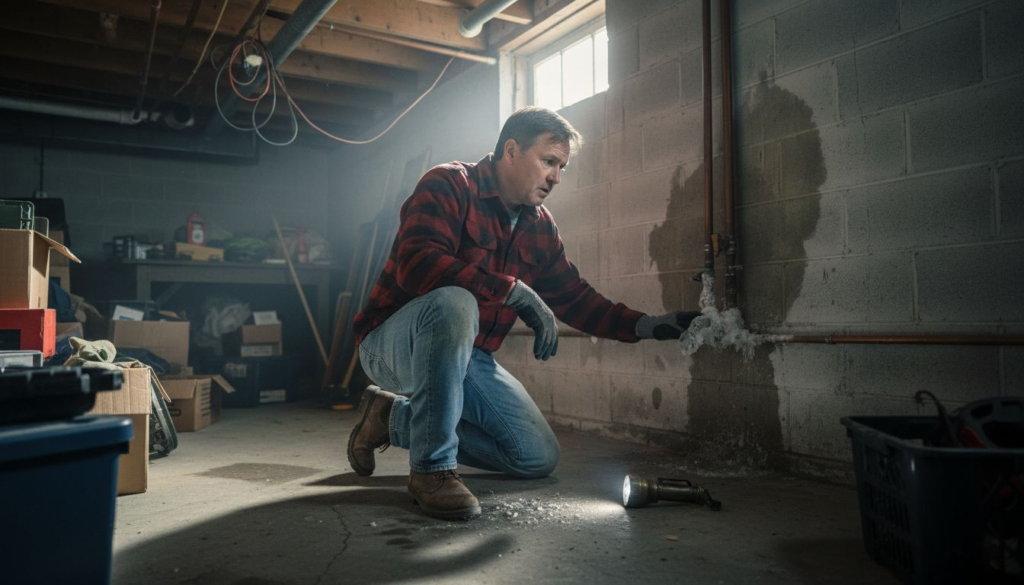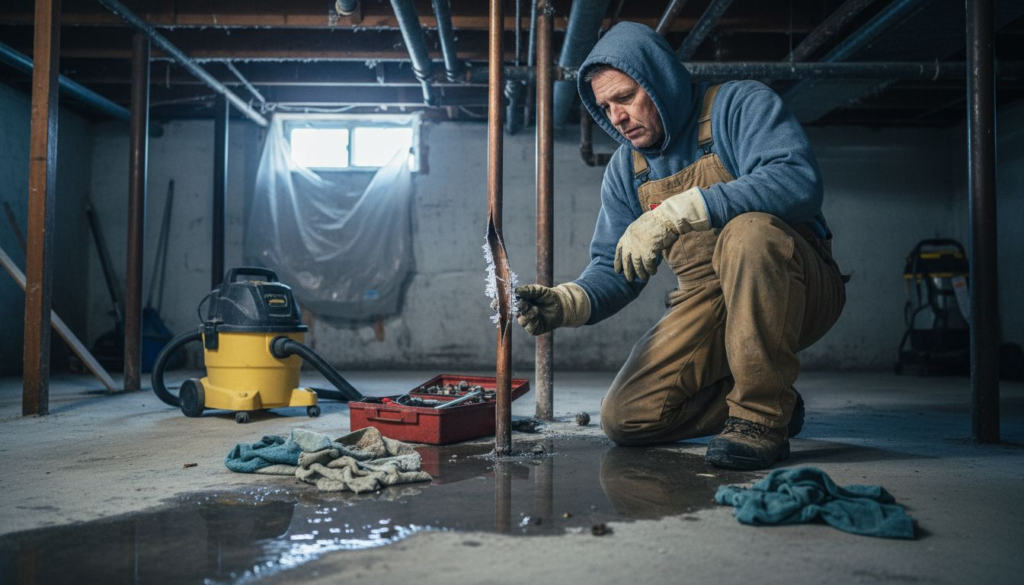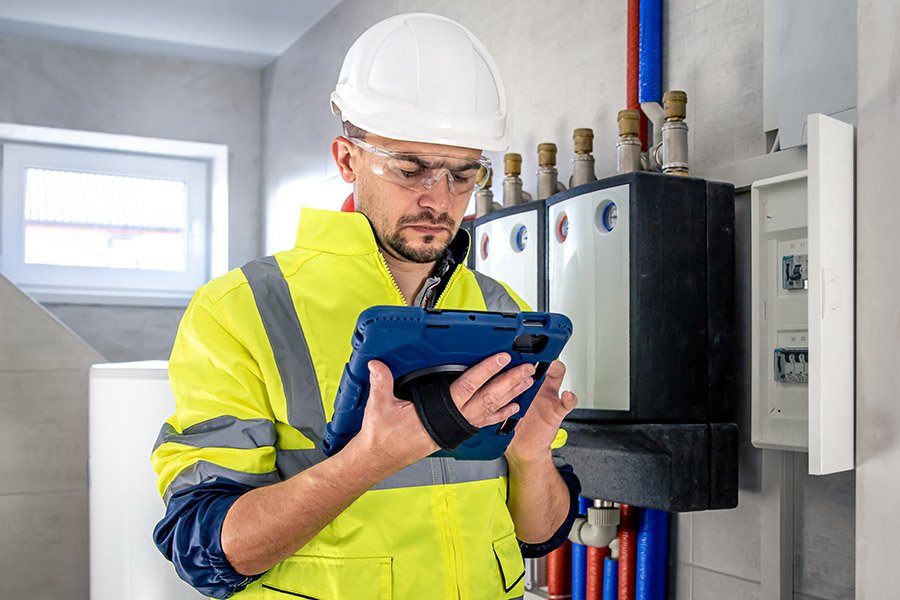
Every winter brings a surge in pipe bursts across American households, with the average cost of repairs often exceeding $5,000. For Belleville homeowners, a sudden plumbing failure can quickly spiral into costly property damage and massive disruption. Understanding the science behind why pipes burst is more than trivia—it equips you to make smart choices that safeguard your home and wallet before freezing temperatures hit.
Table of Contents
- The Science Behind Pipe Bursts
- Types of Pipes Vulnerable in Winter
- How Freezing Temperatures Cause Damage
- Common Causes Beyond Cold Weather
- Essential Prevention Strategies for Homeowners
- Financial and Property Risks of Burst Pipes
Key Takeaways
| Point | Details |
|---|---|
| Understanding Pipe Bursts | Pipe bursts occur due to water’s expansion when freezing, generating internal pressure that can exceed pipe strength. Knowing this helps homeowners take preventive measures. |
| Pipe Material Vulnerability | Copper and traditional plastic pipes are particularly susceptible to winter damage, while PEX offers better resilience against freezing. |
| Prevention Strategies | Insulating vulnerable pipes and sealing air leaks are crucial to preventing burst pipes during extreme cold. Regular inspections can further identify potential weak points. |
| Financial Implications | Burst pipes can lead to significant repair costs averaging between $5,000 and $70,000, alongside secondary problems like mold growth and insurance premium increases. |
The Science Behind Pipe Bursts
When temperatures plummet in Belleville, your home’s plumbing system becomes vulnerable to a complex physical phenomenon known as pipe bursting. Understanding the scientific principles behind this process can help homeowners take proactive measures to protect their property.
Pipe bursts occur primarily due to a fundamental physical transformation: water’s unique expansion properties when freezing. Unlike most substances that contract when cold, water expands by approximately 9% when transitioning from liquid to solid state. This seemingly minor change creates immense internal pressure within confined pipe spaces. Pressure-dependent analysis methods reveal that hydraulic parameters play a critical role in determining pipe failure risks, with increasing pressure dramatically elevating infrastructure damage potential.
The mechanical stress leading to pipe bursts involves multiple interconnected factors. Water molecules, when freezing, create rigid ice crystals that block water flow and generate substantial hydraulic pressure. Research on water distribution systems demonstrates that these pressure surges can exceed a pipe’s residual structural strength, causing catastrophic ruptures. Factors like pipe material, age, wall thickness, and existing micro-fractures significantly influence a pipe’s vulnerability to bursting.
Davinroy Plumbing experts understand that prevention requires a nuanced approach. Insulation, maintaining consistent indoor temperatures, and strategic pipe placement can mitigate burst risks. By comprehending the underlying scientific mechanisms, homeowners can implement targeted strategies to protect their plumbing infrastructure during Belleville’s harsh winter months.
Pro tip: Conduct an annual pipe inspection before winter to identify potential weak points and apply preventative insulation measures.
Types of Pipes Vulnerable in Winter
Homeowners in Belleville need to understand which plumbing materials are most susceptible to winter damage. Different pipe compositions respond uniquely to freezing temperatures, making some significantly more vulnerable than others.
Copper pipes, a traditional plumbing material, are particularly risky during winter months. These rigid metal pipes have minimal flexibility, causing them to become brittle and prone to cracking when temperatures drop dramatically. Pipe performance in freezing conditions indicates that copper’s thermal conductivity makes it especially vulnerable, rapidly losing heat and increasing fracture potential.
Plastic pipe materials also present distinct winter challenges. Polyvinyl chloride (PVC) and chlorinated PVC (CPVC) pipes become increasingly brittle in cold temperatures, making them susceptible to sudden ruptures. These materials lack the inherent flexibility needed to withstand water’s expansion during freezing. In contrast, cross-linked polyethylene (PEX) pipes demonstrate superior winter resilience. Their remarkable ability to expand and contract without structural compromise makes them an excellent choice for regions experiencing significant temperature fluctuations.
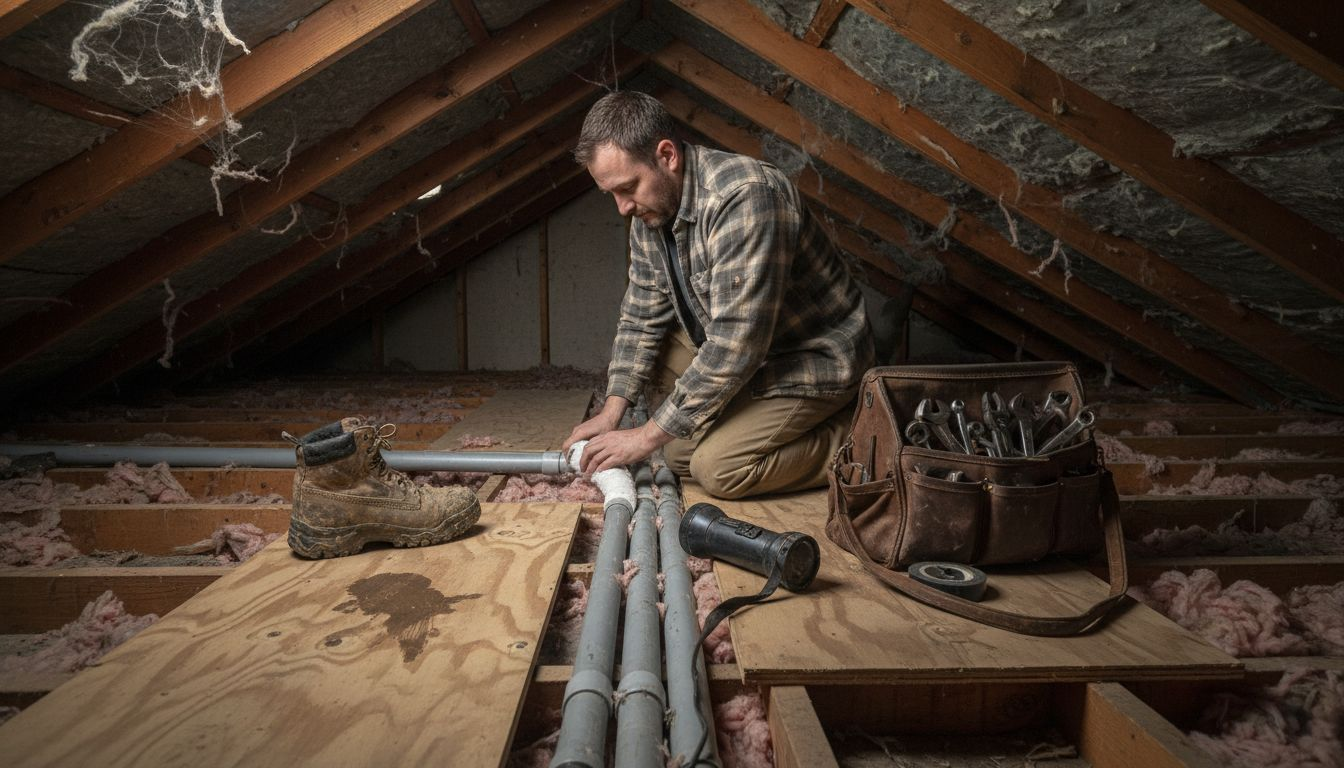
The pipe’s location within your home’s infrastructure further impacts its winter vulnerability. Pipes situated in unheated spaces like crawl spaces, attics, and exterior walls face the highest risk of freezing and bursting. Older homes with less insulation or pipes running along exterior walls are particularly challenging.
Here is a comparison of common pipe materials and their winter performance:
| Pipe Material | Winter Vulnerability | Expansion Handling | Longevity Under Stress |
|---|---|---|---|
| Copper | High, brittle when cold | Minimal, cracks easily | Moderate, weakens over years |
| PVC/CPVC | High, becomes brittle | Low, poor flexibility | Short, susceptible to fractures |
| PEX | Low, retains flexibility | Excellent, resists bursts | Long, absorbs pressure well |
Pro tip: Prioritize insulating pipes in unheated areas using foam sleeves or heating tape to minimize winter burst risks.
How Freezing Temperatures Cause Damage
Understanding the complex mechanism behind pipe damage requires a deep dive into the unique physical properties of water and its behavior under extreme cold conditions. Belleville homeowners must recognize how seemingly minor temperature drops can trigger catastrophic plumbing failures.
When temperatures plummet, a critical transformation occurs inside your pipes. Pipe freezing mechanisms reveal that water begins crystallizing at 32°F, but significant damage typically occurs when temperatures drop below 20°F (-6°C). At this point, water molecules lock into rigid ice formations, expanding approximately 9% and generating immense internal pressure. This expansion creates a pressure cooker-like effect within pipe walls, with forces that can exceed the structural integrity of most plumbing materials.
The damage process is rarely straightforward. Contrary to popular belief, pipe ruptures often happen at points distant from the actual ice blockage. Expert investigations of frozen pipes demonstrate that pressure builds between ice blockages and closed valves, creating stress points that can cause lateral bursts. The pipe’s weakest structural points – whether from manufacturing imperfections, previous micro-fractures, or material fatigue – become the most likely rupture zones.
Geographic and architectural factors significantly influence pipe vulnerability. In Belleville’s winter landscape, homes with pipes running through uninsulated crawl spaces, attics, or along exterior walls face the highest risk. The combination of thin pipe walls, minimal insulation, and prolonged cold exposure creates a perfect storm for potential plumbing disasters.
Pro tip: Regularly monitor pipe temperatures in vulnerable areas and maintain consistent indoor heating to prevent sudden, catastrophic freezing.
Common Causes Beyond Cold Weather
While freezing temperatures are a notorious culprit for pipe failures, Belleville homeowners should understand that multiple complex factors can compromise their plumbing system’s integrity, often independently of winter conditions.
Pipe failure mechanisms reveal that water pressure stands as a critical vulnerability. Excessive pressure can dramatically exceed a pipe’s designed threshold, creating internal stress that weakens structural integrity. This phenomenon occurs when municipal water supplies experience sudden fluctuations, pressure valve malfunctions, or when household appliances create unexpected hydraulic surges.
Corrosion represents another significant threat to pipe durability. Older metal pipes, particularly those in homes built before the 1980s, gradually deteriorate from within. Chemical reactions between water minerals and pipe materials create microscopic weak points that progressively compromise pipe walls. Galvanized steel and copper pipes are especially susceptible, with corrosion potentially reducing pipe wall thickness by up to 60% over decades, creating potential rupture zones that may fail without warning.
Unexpected mechanical stresses like water hammer can cause instantaneous damage. This phenomenon happens when water flow abruptly stops or changes direction, generating massive pressure waves that slam against pipe walls. Improperly secured pipes, loose mounting brackets, or aging plumbing connections can transform these pressure surges into destructive forces capable of causing immediate structural failures. Modern homes with complex plumbing networks are particularly vulnerable to these sudden, catastrophic pressure events.
Pro tip: Schedule annual professional plumbing inspections to identify potential weakness points before they develop into expensive, disruptive pipe failures.
Essential Prevention Strategies for Homeowners
Protecting your home’s plumbing infrastructure requires a proactive and comprehensive approach that addresses potential vulnerabilities before they escalate into costly damages. Belleville homeowners must develop a strategic defense against pipe failures through targeted, intelligent interventions.
Home plumbing protection strategies emphasize the critical importance of insulation as a primary defense mechanism. Vulnerable pipe sections in unheated spaces like crawl spaces, attics, and garages demand immediate attention. Foam pipe sleeves provide an affordable and effective barrier against temperature extremes, creating a thermal buffer that prevents rapid heat loss and minimizes freezing risks. Homeowners should prioritize insulating pipes located near exterior walls, where temperature fluctuations are most dramatic.
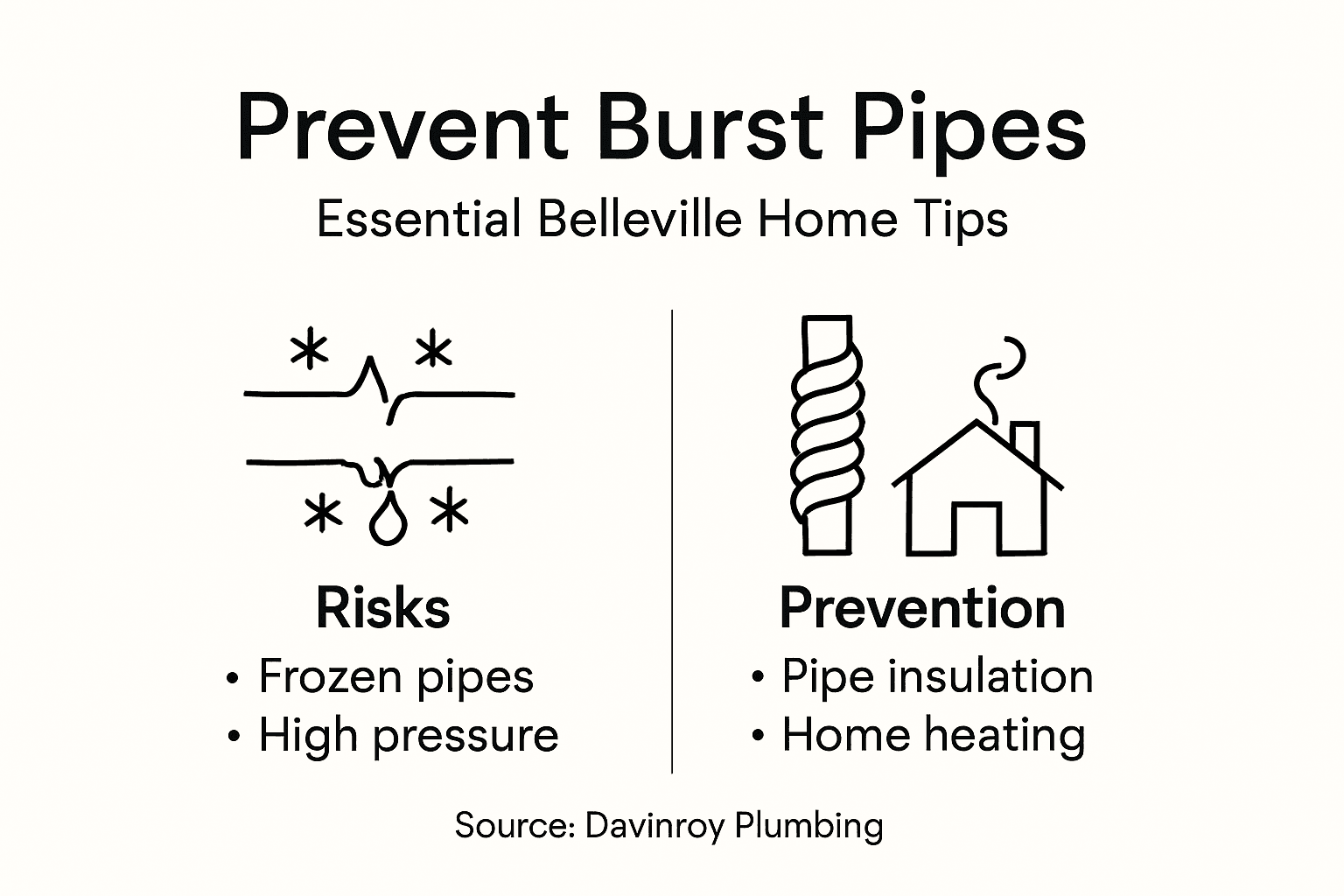
Comprehensive prevention extends beyond simple insulation. Sealing potential entry points is crucial for maintaining interior temperature stability. Cold air infiltration through small cracks around windows, doors, and foundation walls can create localized temperature drops that compromise pipe integrity. Weatherstripping, caulk, and expanding foam insulation can effectively block these thermal bridges. Additionally, strategic home maintenance like disconnecting garden hoses, draining outdoor plumbing lines, and protecting exterior faucets with insulated covers can significantly reduce potential failure points.
Technology and consistent monitoring provide another layer of protection. Smart home thermostats that maintain consistent temperatures, even during extreme cold spells, can prevent sudden temperature drops. Allowing faucets to maintain a slight, steady drip during severe cold can relieve internal pipe pressure, reducing the likelihood of ice formation. For added security, homeowners might consider installing temperature and moisture sensors that provide real-time alerts about potential freezing conditions.
Pro tip: Create a comprehensive winter plumbing checklist and conduct a thorough home inspection before the first freeze to identify and address potential vulnerability zones.
Financial and Property Risks of Burst Pipes
Burst pipes represent far more than a simple plumbing inconvenience for Belleville homeowners. They can transform into financial nightmares that devastate household budgets and property values in mere hours.
Property damage assessments reveal that burst pipes trigger a catastrophic chain of destruction beyond immediate water damage. Structural compromises can emerge quickly, with water infiltrating walls, floors, and foundations. Wooden structures rapidly deteriorate, drywall crumbles, and electrical systems face potentially dangerous short-circuit risks. These cascading damages can render entire sections of a home uninhabitable, necessitating extensive and expensive reconstruction.
The financial implications extend far beyond immediate repair costs. Homeowners insurance typically covers burst pipe damages, but claims can lead to significant premium increases. Comprehensive damage scenarios often include replacement of destroyed personal belongings, temporary housing expenses during repairs, and potential long-term structural rehabilitation. Professional estimates suggest that an average burst pipe incident can generate repair and replacement costs ranging from $5,000 to $70,000, depending on the extent of water distribution and resulting structural damage.
Secondary consequences compound the financial burden. Unaddressed moisture creates perfect conditions for dangerous mold proliferation, which can cause additional health-related expenses and further property depreciation. Potential respiratory issues, allergic reactions, and structural integrity challenges from mold growth can transform a simple pipe burst into a prolonged, multifaceted financial disaster.
Below is a summary of cost and property risks associated with burst pipes:
| Risk Type | Typical Financial Impact | Secondary Consequences |
|---|---|---|
| Immediate Repairs | $5,000–$70,000 per incident | Temporary housing, lost items |
| Structural Damage | Increases over time | Foundation, drywall problems |
| Mold Proliferation | Health and remediation costs | Respiratory issues, devaluation |
| Insurance Premiums | Rate increases common | Higher future home expenses |
Pro tip: Maintain comprehensive documentation of all maintenance and repair efforts to strengthen potential insurance claims and protect your property’s long-term value.
Protect Your Belleville Home from Costly Pipe Bursts This Winter
Winter brings serious risks to your home’s plumbing system, especially with pipe bursts caused by freezing water pressure and brittle pipes. At Davinroy Plumbing, we understand how devastating burst pipes can be to your property and finances. Our expert team offers reliable frozen pipe repair, insulation advice, and preventative plumbing services tailored to Belleville’s harsh winter conditions.

Don’t wait until a sudden burst causes thousands in damage. Act now to safeguard your home by scheduling a professional inspection and repair service. Visit Davinroy Plumbing to learn more about our trusted frozen pipe repair services and hot water tank maintenance designed to protect your plumbing system before the cold hits.
Frequently Asked Questions
What causes pipes to burst in winter?
Pipes burst primarily due to the expansion of water as it freezes, increasing internal pressure within the pipes. When temperatures drop significantly, water inside pipes can freeze, turning into ice and creating pressure that exceeds the pipe’s structural integrity, leading to catastrophic ruptures.
How can I prevent my pipes from bursting during cold weather?
To prevent pipe bursts, ensure that vulnerable pipes in unheated areas are properly insulated. Sealing cracks and openings to prevent cold air infiltration, maintaining consistent indoor temperatures, and allowing faucets to drip slightly during extreme cold can also minimize the risk of freezing.
Are certain types of pipes more susceptible to freezing than others?
Yes, copper and PVC/CPVC pipes are particularly vulnerable to freezing and cracking in cold temperatures due to their rigidity and limited flexibility. In contrast, PEX pipes are more resilient and can expand and contract without damage, making them a better choice for areas prone to temperature fluctuations.
What should I do if I suspect my pipes are frozen?
If you suspect your pipes are frozen, you should first shut off the water supply to prevent potential bursts. Then, carefully apply heat to the affected area using a hair dryer, space heater, or warm towels. If the pipes do not thaw, it’s best to contact a plumbing professional for assistance.