Frozen pipes can turn a regular winter day in Belleville, Illinois into an expensive nightmare. When temperatures drop, your home’s plumbing becomes vulnerable to blockages, damage, and even burst pipes. Missing the warning signs can lead to water outages and costly repairs.
This guide highlights the most reliable ways to spot frozen pipes early using signs you can actually see, hear, or smell. You will learn exactly what to look for so you can act before your plumbing suffers major damage. Stay ahead of winter’s worst surprises by recognizing these clear signals—your pipes and your budget will thank you.
Table of Contents
- 1. Unusual Decrease In Water Flow
- 2. Visible Frost On Pipes
- 3. Strange Or Foul Odors Coming From Drains
- 4. Clanking Or Banging Noises In Plumbing
- 5. Water Supply Completely Stopping
- 6. Bulging Or Cracked Pipe Surfaces
- 7. Cold Spots On Walls Or Floors
Quick Summary
| Takeaway | Explanation |
|---|---|
| 1. Monitor Water Flow Regularly | A decrease in water flow may indicate frozen pipes, especially in unheated areas. Check all faucets to assess the severity. |
| 2. Check for Frost on Pipes | Visible frost means pipes are near freezing. Inspect unheated spaces to avert potential pipe ruptures and costly repairs. |
| 3. Be Alert to Strange Odors | Unpleasant smells from drains can signal freeze-related blockages. Early action is needed to avoid further plumbing issues. |
| 4. Pay Attention to Noises in Plumbing | Clanking or banging indicates ice forming and increasing pressure within pipes. Take immediate action to prevent possible pipe bursts. |
| 5. Address Cold Spots Promptly | Cold spots on walls or floors can indicate frozen pipes. Use thermal imaging or hand checks to identify affected areas for insulation. |
1. Unusual Decrease in Water Flow
When the water trickles out of your faucet like a weak stream instead of its usual robust flow, it might be signaling something serious happening inside your home’s plumbing system. An unusual decrease in water flow is often one of the first warning signs of frozen pipes in your home.
This reduction happens because water physically changes when temperatures drop extremely low. As water freezes, it expands and creates ice blockages inside your pipes, which dramatically narrows or completely stops water passage. Monitoring water flow during cold weather can help you catch potential pipe freezing early.
If you notice a significant drop in water pressure especially in areas exposed to exterior walls or unheated spaces like basements or crawl spaces take immediate action. Check faucets in different areas of your home to determine whether the reduced flow is isolated or widespread. A whole house water pressure drop could indicate a more serious pipe freezing situation.
Homeowners in cold regions like Belleville, Illinois should pay extra attention during winter months. Pipes running through uninsulated areas or near exterior walls are most vulnerable to freezing and subsequent water flow reduction.
Pro tip: Keep a consistent indoor temperature and allow faucets to drip slightly during extreme cold to prevent water from freezing and blocking pipe flow.
2. Visible Frost on Pipes
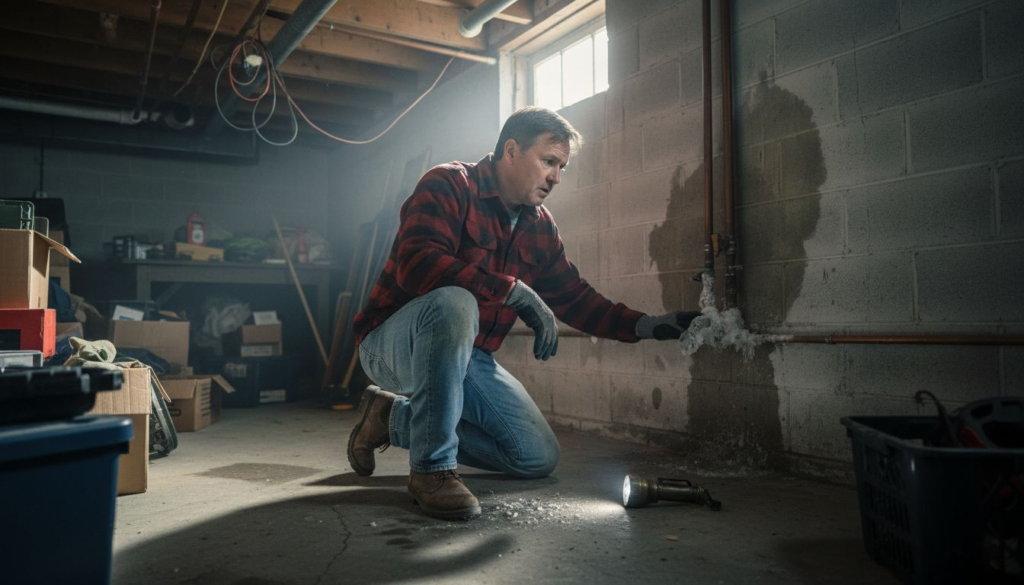
Spotting frost or ice directly on your pipes is a stark warning sign that something is seriously wrong with your home’s plumbing system. Visible frost indicates that pipes are dangerously close to freezing, potentially setting the stage for a costly and disruptive plumbing emergency.
When temperatures plummet, moisture in the air can condense and freeze on pipe surfaces, creating a telltale layer of frost. This phenomenon typically occurs in unheated spaces like basements, crawl spaces, and exterior walls where pipes are most vulnerable to cold. Frost formation on pipes signals that the internal water is approaching a critical freezing point.
Homeowners should conduct regular visual inspections of exposed pipes during winter months. Pay special attention to pipes located near exterior walls or in areas with minimal insulation. The presence of frost means you need to take immediate action to prevent potential pipe ruptures.
In Belleville, Illinois, where winter temperatures can drop significantly, understanding these early warning signs is crucial. Pipes with visible frost are at high risk of complete freezing, which can lead to extensive water damage and expensive repairs.
Pro tip: Wrap exposed pipes with foam insulation sleeves and maintain consistent indoor heating to prevent frost formation and potential pipe damage.
3. Strange or Foul Odors Coming From Drains
If you start noticing unusual or unpleasant smells wafting from your home’s drains, it might be more than just a typical plumbing inconvenience. Strange odors can be a subtle yet significant indicator that something is disrupting your plumbing system, potentially signaling frozen pipes.
When pipes freeze, water flow becomes severely restricted or completely blocked. This interruption can cause waste materials to stagnate and begin decomposing, creating those nauseating smells emanating from your sinks and drains. Blocked pipes can produce strange odors that indicate serious underlying plumbing issues.
Homeowners in cold regions like Belleville, Illinois should be particularly vigilant. Pipes in unheated areas such as basements, crawl spaces, or along exterior walls are most vulnerable to freezing. When these pipes become blocked, waste cannot move through the system normally, leading to potential bacterial growth and offensive smells.
Pay close attention to drains that suddenly start producing unusual odors, especially during periods of extreme cold. This could be an early warning sign that your pipes are experiencing freezing conditions and require immediate attention to prevent potential damage.
Pro tip: Run a small amount of warm water through suspect drains and keep interior temperatures consistent to help prevent pipe freezing and subsequent odor issues.
4. Clanking or Banging Noises in Plumbing
Weird sounds coming from your walls are not just spooky they could be a critical warning sign of potential plumbing disaster. Clanking and banging noises in your pipes are more than just annoying sounds they are your home’s way of signaling serious potential pipe freezing issues.
These metallic knocking sounds typically occur when ice begins forming inside pipes, creating unexpected pressure points and disrupting normal water flow. Unusual noises in pipes can indicate that water is struggling to move through partially blocked or frozen sections of your plumbing system.
Homeowners in cold regions like Belleville, Illinois should take these sounds seriously. The banging occurs when water pressure builds up behind ice blockages, creating sudden surges that cause pipes to move and create loud knocking sounds. This pressure can potentially lead to pipe ruptures if not addressed quickly.
Pipes in unheated areas such as basements, crawl spaces, and along exterior walls are most susceptible to these pressure changes. Pay close attention to pipes near windows, exterior walls, and in areas with minimal insulation where freezing is most likely to occur.
Pro tip: Install foam pipe insulation in vulnerable areas and maintain a consistent indoor temperature to prevent ice formation and reduce the risk of pipe damage.
5. Water Supply Completely Stopping
Nothing strikes fear into a homeowner’s heart quite like turning on a faucet and hearing absolutely nothing. A complete halt in water supply is the most serious warning sign that your pipes have frozen solid and require immediate attention.
When pipes freeze entirely, water cannot move through the system, creating a total blockage that prevents any water from reaching your faucets. Water supply interruptions can quickly escalate from a minor inconvenience to a potential plumbing emergency.
Homeowners in cold regions like Belleville, Illinois should be especially vigilant. Pipes in unheated areas such as basements, crawl spaces, and along exterior walls are most vulnerable to complete freezing. When temperatures drop dramatically, the water inside these pipes can transform into a solid ice block, stopping water flow entirely.
The moment you realize no water is coming out of any faucet, you must act quickly. This indicates that ice has completely obstructed your pipes, creating significant pressure that could lead to potential pipe bursts if not addressed promptly.
Pro tip: Keep your home heated to a consistent temperature and allow faucets to drip slowly during extreme cold to prevent total water supply stoppage.
6. Bulging or Cracked Pipe Surfaces
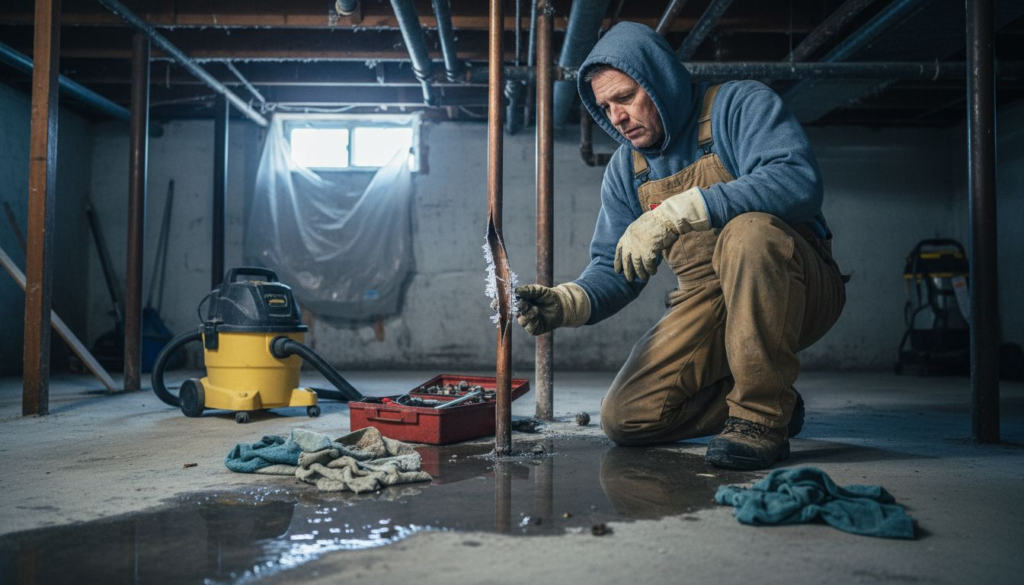
If your pipes look like they are about to explode, you are witnessing one of the most dangerous signs of frozen pipes. Bulging or cracked pipe surfaces are not just cosmetic issues they are loud warning signals that your plumbing system is under extreme stress.
When water freezes, it expands by approximately 9% of its original volume. This expansion creates immense internal pressure that can literally push your pipes outward, causing visible deformations. Pipe surfaces reveal freezing damage that signals potential catastrophic failure.
Homeowners in cold regions like Belleville, Illinois should understand that these physical changes are not to be ignored. Pipes running through unheated spaces or along exterior walls are most susceptible to this type of damage. A bulge or crack means the pipe has already been critically compromised and is at high risk of bursting.
The moment you notice any unusual swelling or cracking in your pipes, you need to take immediate action. These visual signs indicate that water inside the pipe has frozen and is exerting dangerous pressure that could lead to a costly and destructive pipe rupture.
Pro tip: Inspect exposed pipes regularly during winter and use foam pipe insulation to protect vulnerable areas from extreme temperature changes.
7. Cold Spots on Walls or Floors
When your walls feel like ice to the touch in certain areas, it is not just your imagination playing tricks. Cold spots are silent messengers revealing potential frozen pipe issues lurking within your home’s infrastructure.
These mysterious cold patches occur when frozen pipes disrupt the normal temperature distribution inside your walls or beneath your floors. Cold spots indicate potential damage by creating localized temperature variations that can signal serious plumbing problems.
Homeowners in cold regions like Belleville, Illinois should pay close attention to these temperature anomalies. Pipes running through uninsulated areas such as exterior walls, crawl spaces, and attics are most prone to freezing. When water inside these pipes turns to ice, it creates a thermal barrier that makes surrounding wall and floor surfaces noticeably colder.
To detect these cold spots, run your hand along walls near exterior surfaces or use an infrared thermometer for precise temperature measurements. Areas that feel significantly colder than surrounding spaces could be hiding frozen pipes that need immediate professional attention.
Pro tip: Use thermal imaging or a simple hand test to map out potential cold spots and prioritize insulation efforts in vulnerable areas of your home.
Below is a comprehensive table summarizing the warning signs of frozen pipes detailed in the article.
| Warning Sign | Description | Suggested Action |
|---|---|---|
| Unusual Decrease in Water Flow | Reduced water flow due to ice blockages narrowing pipe passages. | Keep indoor temperatures consistent and allow faucets to slightly drip during extreme cold conditions. |
| Visible Frost on Pipes | Frost forming on pipes exposed to cold temperatures, indicating nearing freezing conditions of the internal water. | Insulate exposed pipes and maintain indoor heating to avert frost formation. |
| Strange or Foul Odors from Drains | Unpleasant smells caused by waste stagnation resulting from restricted or blocked frozen pipes. | Run warm water through the affected drains and keep room temperatures stable. |
| Clanking or Banging Noises in Plumbing | Noise from pipes due to pressure buildup behind ice formed within. | Install pipe insulation and keep the home’s temperature consistent to prevent freezing. |
| Complete Water Supply Stoppage | Total blockage of water flow caused by completely frozen pipes. | Heat the home adequately and inspect the pipes for total water obstructions. |
| Bulging or Cracked Pipe Surfaces | Visible deformities or fractures on pipes due to internal pressure from expanding ice. | Perform regular examinations and apply insulating materials to all vulnerable plumbing components. |
| Cold Spots on Walls or Floors | Localized cold patches indicating potential frozen pipes behind the surfaces or beneath the flooring. | Use detection tools to locate cold spots and prioritize insulation in these areas. |
Protect Your Home From the Hidden Dangers of Frozen Pipes
Recognizing the signs of frozen pipes like reduced water flow, visible frost, strange odors, or bulging pipes can save you from devastating water damage and costly repairs. If you are facing any of these warning signals in Belleville, Illinois, it is crucial to act quickly before the problem escalates. Davinroy Plumbing specializes in frozen pipe repair services tailored to protect your home during harsh winter conditions.

Don’t wait for a pipe burst or a complete water supply stoppage to disrupt your life. Contact Davinroy Plumbing now for expert assistance with frozen pipes, toilet repair, or hot water tank service. Visit our website at Davinroy Plumbing and secure your home’s plumbing system today.
Frequently Asked Questions
What are the early signs of frozen pipes I should look for?
A decrease in water flow is one of the first signs of frozen pipes. Check your faucets for weak streams, especially in areas near external walls or unheated spaces.
How can I prevent my pipes from freezing in winter?
Maintain a consistent indoor temperature and allow faucets to drip slightly during extreme cold. This simple step can help prevent water from freezing and blocking your pipes.
What should I do if I see frost on my pipes?
If you notice frost on your pipes, it’s crucial to act immediately. Insulate the exposed pipes and keep the indoor temperature warm to prevent further freezing.
What noise indicates that my pipes may be freezing?
Clanking or banging noises in your plumbing can signal that ice is forming inside the pipes. Address these noises quickly to prevent potential pipe ruptures from pressure buildup.
How can I identify cold spots in my home that might indicate frozen pipes?
Feel for unusually cold areas on your walls or floors, particularly near exterior walls. Use your hand or an infrared thermometer to locate these cold spots and inspect the piping in those areas.
What immediate actions should I take if my water supply completely stops?
If you turn on a faucet and nothing comes out, it could mean your pipes have frozen solid. Act quickly to check exposed pipes for signs of freezing and consider contacting a professional for immediate assistance.