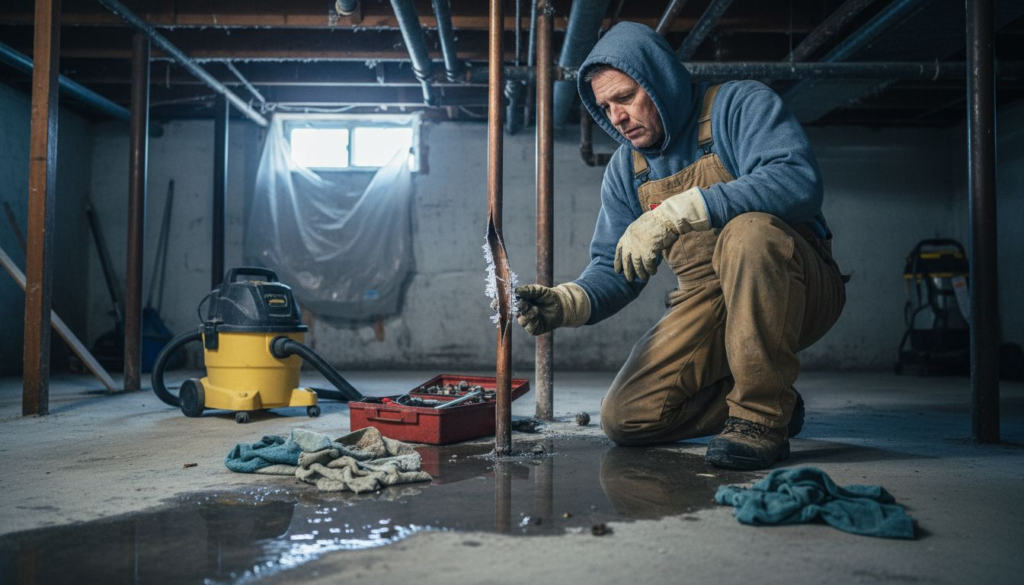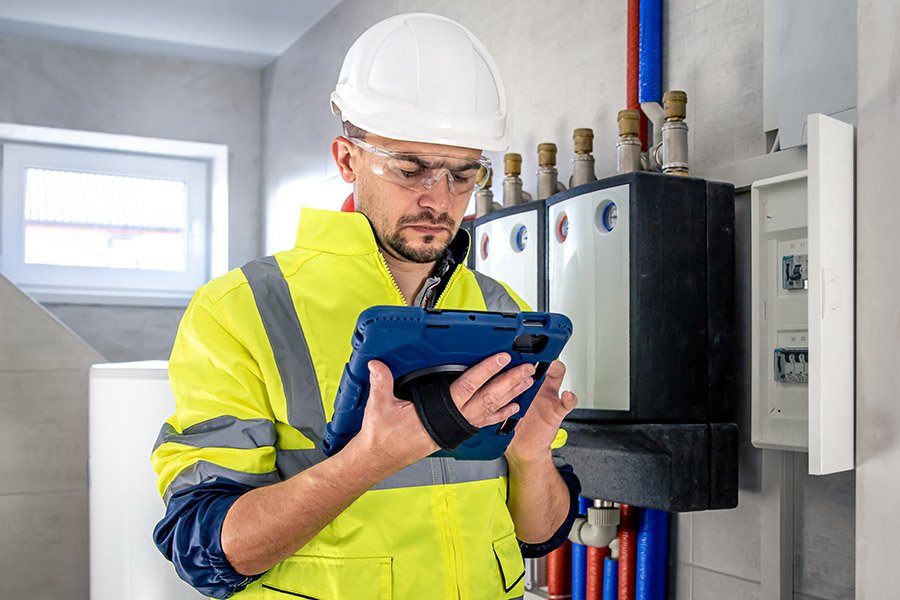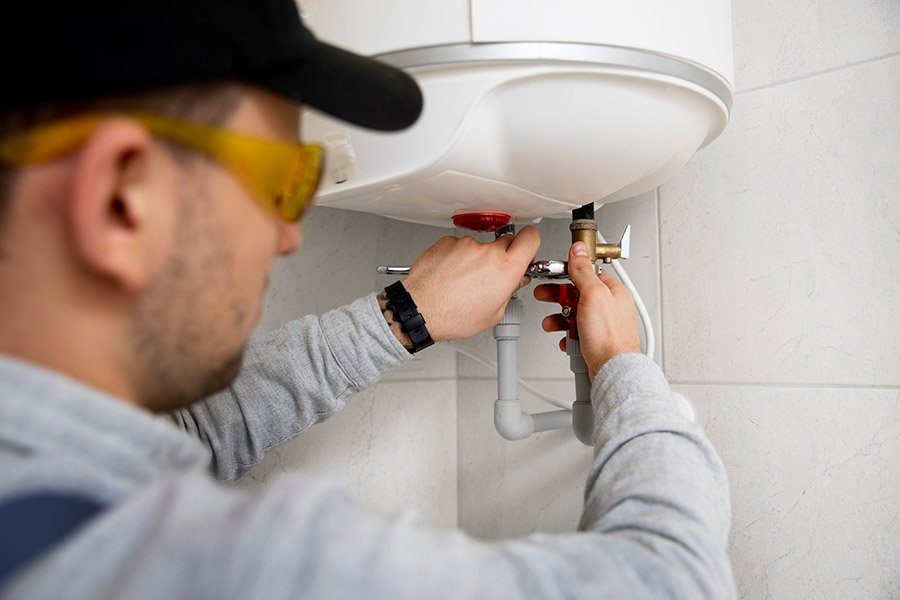
When winter sweeps through Belleville, Illinois, frozen pipes quickly turn from a minor hassle into a major concern. As water inside pipes freezes and expands, even the strongest materials can crack under pressure, leading to costly bursts and home damage. For those living in areas with harsh winters and older home layouts, addressing frozen pipes before they become emergencies means protecting your property and avoiding stressful, expensive repairs.
Table of Contents
- What Are Frozen Pipes And How They Form
- Common Causes Of Frozen Pipes In Homes
- Signs Your Pipes May Be Frozen
- Risks And Costs Of Ignoring Frozen Pipes
- Immediate Actions And Long-Term Prevention
Key Takeaways
| Point | Details |
|---|---|
| Frozen pipes can cause severe damage | Understanding where pipes are most vulnerable can help prevent costly repairs during winter. |
| Immediate actions can mitigate damage | If you suspect frozen pipes, shut off the water and apply gentle heat to affected areas. |
| Home insulation is critical | Proper insulation of pipes and maintaining indoor temperatures above 55°F can significantly reduce freezing risks. |
| Monitor for signs of freezing | Look for reduced water flow and frost on pipes as early indicators of potential freezing conditions. |
What Are Frozen Pipes and How They Form
Frozen pipes represent a significant winter hazard for homeowners in cold regions like Belleville, Illinois. These plumbing problems occur when water inside pipes drops below freezing temperature, causing the liquid to solidify and expand. Understanding pipe freezing risks helps prevent potential costly damage to your home’s infrastructure.
The science behind frozen pipes involves basic physics of water’s unique expansion properties. When water temperature reaches 32°F, it transitions from liquid to solid, increasing in volume by approximately 9%. This expansion creates immense pressure inside pipes, which can lead to cracks, ruptures, and potential structural damage. Some areas are more vulnerable to freezing than others:
- Pipes located in unheated spaces like basements
- Outdoor water supply lines
- Pipes running along exterior walls
- Crawl spaces with minimal insulation
- Garage water lines
- Attic plumbing connections
Certain factors dramatically increase the likelihood of pipe freezing. Homes with poor insulation, inadequate heating, or complex plumbing layouts are particularly susceptible. Pipe material, wall thickness, and local climate conditions all contribute to freeze potential. Copper and PVC pipes have different thermal conductivity rates, which means they respond differently to temperature drops.
Here’s a side-by-side comparison of copper and PVC pipes when facing freezing conditions:
| Property | Copper Pipes | PVC Pipes |
|---|---|---|
| Thermal Conductivity | High heat transfer | Lower heat transfer |
| Freeze Resistance | Prone to bursting | Can crack but less brittle |
| Common Use Areas | Older homes, visible pipes | Newer homes, hidden plumbing |
| Repair Complexity | Requires soldering | Usually glue or clamps |
| Cost | More expensive | More budget-friendly |
Pipe location plays a critical role in freeze vulnerability. Pipes near exterior walls or in uninsulated spaces are significantly more likely to freeze compared to those nestled within interior walls. This spatial relationship means homeowners must pay special attention to potential weak points in their plumbing system.
The key to preventing frozen pipes is understanding where and how they form, then taking proactive protective measures.
Pro tip:Regularly inspect your home’s vulnerable pipe locations during winter and consider adding foam pipe insulation to high-risk areas.
Common Causes of Frozen Pipes in Homes
Homeowners in cold regions must understand the primary factors that contribute to frozen pipes. Specific temperature conditions play a crucial role in pipe vulnerability, with temperatures dropping below freezing creating significant risks for residential plumbing systems.
Several key environmental and structural factors dramatically increase the likelihood of pipe freezing:
- Insufficient home insulation
- Extremely low outdoor temperatures
- Pipes located in unheated spaces
- Reduced interior heating during winter
- Exposure to cold drafts
- Lack of pipe protective wrapping
Temperature thresholds are critical in understanding pipe freeze potential. When ambient temperatures drop below 32°F, unprotected water lines become extremely vulnerable. Homes with complex plumbing layouts or multiple exposed pipe sections face higher risks, especially in areas like Belleville where winter temperatures can plummet rapidly.
The geographic and architectural design of a home significantly impacts pipe freezing risks. Structural vulnerabilities such as thin walls, poor insulation, and proximity to exterior surfaces create perfect conditions for pipe freezing. Older homes with original plumbing configurations are particularly susceptible, as their infrastructure might not meet modern insulation standards.
Preventing pipe freezing requires understanding the specific environmental and structural factors unique to your home.
Pro tip:Conduct a comprehensive home inspection before winter to identify and protect vulnerable pipe locations.
Signs Your Pipes May Be Frozen
Homeowners must be vigilant about detecting potential frozen pipes before they cause serious damage. Subtle warning signs can help you identify pipe freezing early and prevent catastrophic plumbing failures.
Critical indicators of frozen pipes include:
- Dramatically reduced water flow from faucets
- Complete loss of water supply in specific areas
- Visible frost or ice crystals on exposed pipes
- Unusual gurgling or banging sounds in plumbing
- Water dripping extremely slowly or not at all
- Visible condensation or moisture around pipe connections
Water pressure changes are often the most immediate sign of pipe freezing. When only certain fixtures produce minimal water flow while others work normally, this suggests localized freezing within your home’s plumbing system. These inconsistent water pressures typically indicate that specific pipe sections have become blocked by ice formations.
Visual and auditory clues can also reveal potential frozen pipe conditions. Exterior pipe surfaces might show visible frost or feel unusually cold to the touch. Homeowners might notice strange sounds like knocking or whistling as water attempts to move through partially blocked pipes. These acoustic signals often precede more serious plumbing complications.
Early detection of frozen pipes can save hundreds of dollars in potential repair costs.
Pro tip:Keep a flashlight and infrared thermometer handy to quickly inspect potentially vulnerable pipe sections during cold weather.
Risks and Costs of Ignoring Frozen Pipes
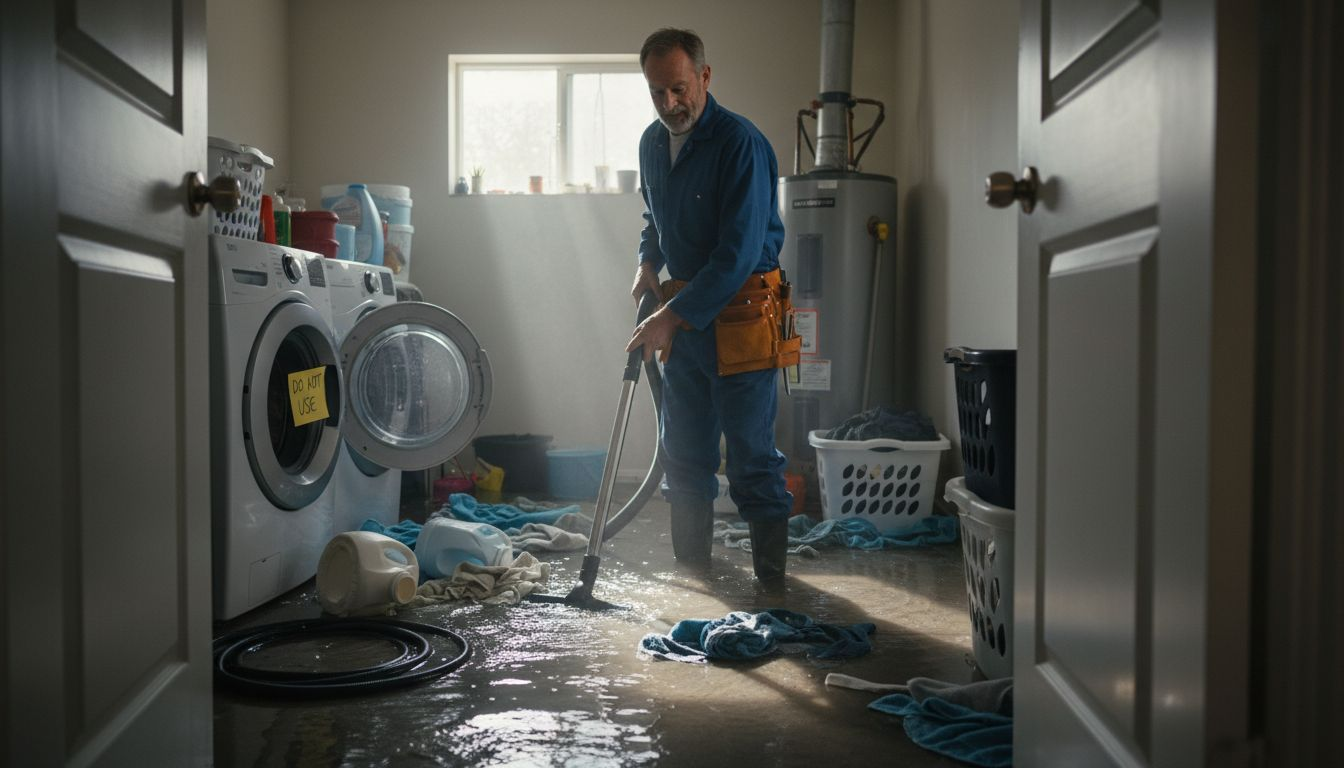
Ignoring frozen pipes can lead to catastrophic and expensive consequences for homeowners. Extensive water damage risks can transform a minor plumbing issue into a financial nightmare that extends far beyond simple pipe repair.
The potential financial and structural damages include:
- Structural damage to walls and foundations
- Complete replacement of damaged flooring
- Extensive water damage to personal belongings
- Potential mold and mildew growth
- Increased homeowners insurance premiums
- Potential loss of home usability during repairs
- Electrical system damage from water exposure
Repair costs can escalate quickly when frozen pipes burst. A single burst pipe might generate repair expenses ranging from $5,000 to $70,000, depending on the extent of water damage and the home’s specific architectural characteristics. These costs typically include pipe replacement, water damage restoration, structural repairs, and potential mold remediation.
Insurance implications further compound the financial risks. While some homeowners insurance policies cover burst pipe damage, repeated claims can dramatically increase future premium rates. Insurers often view repeated pipe freezing as a sign of poor home maintenance, which can lead to policy cancellations or significant rate hikes.
Preventing frozen pipes is far less expensive than repairing the extensive damage they can cause.
Pro tip:Invest in preventative pipe insulation and maintain consistent home temperatures to avoid potentially devastating repair costs.
Immediate Actions and Long-Term Prevention
Homeowners must be prepared with both immediate responses and strategic prevention strategies when confronting frozen pipes. Critical thawing techniques can help minimize potential damage and restore water flow safely.
Immediate actions when discovering frozen pipes include:
- Shut off the main water valve immediately
- Open affected faucets to relieve pressure
- Apply gentle, consistent heat to frozen sections
- Never use open flame devices near pipes
- Check for cracks or potential burst points
- Monitor thawing progress carefully
- Contact a professional plumber if uncertain
Thawing techniques require careful approach. Using a hairdryer, heating pad, or electric heat tape can safely warm frozen pipes. Start at the faucet end and work toward the coldest section, allowing warm air to help melt ice gradually. Electric space heaters positioned strategically can also provide ambient warmth to vulnerable pipe areas.
Long-term prevention involves comprehensive home winterization. Proper insulation of pipes in unheated areas, sealing potential cold air entry points, and maintaining consistent indoor temperatures are crucial strategies. Homeowners in Belleville should pay special attention to pipes in basements, crawl spaces, and along exterior walls, which are most susceptible to freezing.
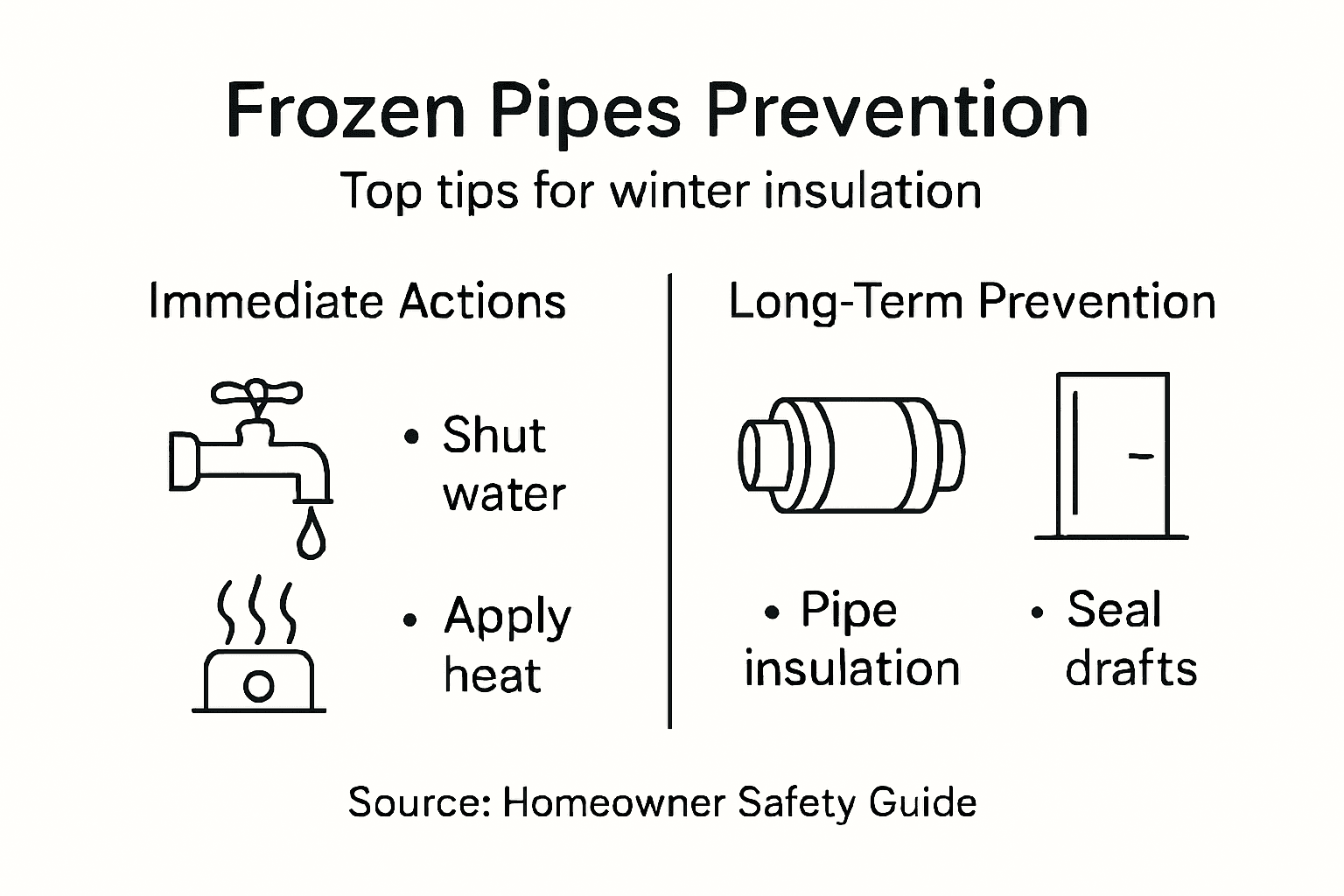
The table below summarizes quick actions and best prevention methods for frozen pipes:
| Situation | Immediate Action | Preventative Measure |
|---|---|---|
| Suspect pipe is frozen | Shut off water, apply gentle heat | Insulate and seal around pipes |
| Low water pressure detected | Open affected faucet | Maintain temperature above 55°F |
| Visible frost on pipe | Monitor for cracks | Use foam pipe sleeves |
| Inadequate insulation found | Add pipe insulation | Schedule winter home inspection |
Proactive prevention is always more cost-effective than emergency pipe repairs.
Pro tip:Install foam pipe sleeves and maintain indoor temperatures above 55°F during winter months to significantly reduce freezing risks.
Protect Your Belleville Home from Costly Frozen Pipe Damage Today
Frozen pipes can cause devastating water damage and expensive repairs if left unchecked. If you have noticed signs like low water pressure, frost on pipes, or inconsistent water flow in unheated areas of your home consider taking action now. At Davinroy Plumbing we specialize in fast and reliable frozen pipe repair services that protect your home’s plumbing and prevent costly structural damage.

Don’t wait for a burst pipe to disrupt your life. Our expert team offers comprehensive solutions including pipe insulation consultation and preventive maintenance. Visit Davinroy Plumbing to schedule an inspection or service today. Protect your pipes and peace of mind with trusted Belleville plumbing professionals ready to help 24/7.
Frequently Asked Questions
What causes frozen pipes in a home?
Frozen pipes are primarily caused by insufficient insulation, extremely low outdoor temperatures, and pipes located in unheated spaces. Other contributing factors include reduced interior heating, exposure to cold drafts, and lack of protective wrapping on pipes.
How can I tell if my pipes are frozen?
Indicators of frozen pipes include dramatically reduced water flow from faucets, complete loss of water supply in certain areas, visible frost on exposed pipes, or unusual sounds in plumbing. If water flow is inconsistent or unusually slow, it may signal freezing in the plumbing system.
What should I do if I discover frozen pipes?
First, shut off the main water valve to prevent potential bursting. Open affected faucets to relieve pressure and apply gentle heat to the frozen sections using a hairdryer or heating pad. If you’re unsure, it’s best to contact a professional plumber for assistance.
How can I prevent my pipes from freezing?
To prevent frozen pipes, ensure proper insulation in unheated areas, seal gaps that allow cold air entry, maintain indoor temperatures above 55°F, and consider using foam pipe insulation for vulnerable sections. Regular home inspections during winter can also help identify potential risks.