Every parent faces that moment when a surprise plumbing problem disrupts a busy morning routine. In Belleville, Illinois, families with young children can quickly find themselves overwhelmed by leaks or clogged drains when regular care is overlooked. Prioritizing proactive plumbing maintenance keeps your household running smoothly, protects your investment, and helps you avoid stressful and expensive emergencies before they start.
Table of Contents
- Plumbing Maintenance Defined And Common Myths
- Essential Types Of Home Plumbing Care
- How Plumbing Systems Work In Your Home
- Top Problems Prevented By Regular Service
- Financial And Health Impacts Of Neglected Plumbing
- Family Responsibilities And Choosing Local Professionals
Key Takeaways
| Point | Details |
|---|---|
| Importance of Regular Maintenance | Regular plumbing maintenance helps identify potential issues early, preventing costly emergencies and protecting your home’s infrastructure. |
| Myths About Plumbing Care | Beliefs that minor issues can be ignored can lead to major problems, emphasizing the need for professional evaluations. |
| Categories of Plumbing Care | Essential maintenance includes water supply management, fixture upkeep, and drainage monitoring to maintain system efficiency. |
| Health and Financial Risks | Neglected plumbing can lead to expensive repairs and health risks, highlighting the importance of timely inspections and professional assistance. |
Plumbing Maintenance Defined and Common Myths
Plumbing maintenance represents a systematic approach to preserving and protecting your home’s water and drainage infrastructure. National Standard Plumbing Code guidelines define this process as proactive monitoring, inspection, and repair of water supply, drainage, and related systems to prevent potential failures and ensure optimal performance.
Contrary to popular belief, plumbing maintenance is not just about fixing problems when they occur. Many homeowners mistakenly assume that their plumbing system can operate indefinitely without professional attention. In reality, regular maintenance helps identify potential issues before they become expensive emergencies. Residential plumbing systems include complex networks of pipes, fixtures, and connections that require periodic professional assessment to maintain their integrity and functionality.
Some common myths about plumbing maintenance can lead homeowners to make costly mistakes. For instance, many believe that minor leaks are harmless or that DIY repairs are always sufficient. Residential plumbing study guides emphasize that seemingly small issues can quickly escalate into significant problems, potentially causing water damage, mold growth, and structural deterioration. Professional plumbers understand the intricate details of system components and can detect subtle signs of wear or potential failure that untrained eyes might miss.
Pro tip: Schedule a comprehensive plumbing inspection at least once annually to catch potential issues early and prevent costly emergency repairs.
Essential Types of Home Plumbing Care
Home plumbing care encompasses three primary maintenance categories that are critical for preserving your residential water and drainage systems. Comprehensive home plumbing study guides outline these essential maintenance types: water supply system management, fixture and appliance upkeep, and drainage system monitoring.
Water supply system maintenance involves regular inspection of water lines, checking for potential leaks, corrosion, and ensuring proper valve functionality. Homeowners should pay close attention to water pressure, pipe condition, and signs of potential deterioration. This includes examining both visible pipes and hidden infrastructure within walls and under foundations. The goal is to identify and address potential issues before they escalate into major repairs that could disrupt your household and create significant financial burden.
Fixture and appliance care represents another crucial aspect of home plumbing maintenance. This includes routine checks of toilets, sinks, showers, and water-connected appliances like water heaters and dishwashers. Home plumbing system guidelines emphasize the importance of monitoring these components for signs of wear, ensuring proper seals, and maintaining clean and functional mechanisms. Regular cleaning, prompt repair of minor issues, and understanding the specific maintenance requirements of different fixtures can significantly extend their operational lifespan.
Pro tip: Create a seasonal plumbing maintenance calendar to track inspections, cleanings, and potential repair needs systematically throughout the year.
Here is a summary of essential plumbing maintenance categories and their main objectives:
| Maintenance Type | Primary Goal | Key Focus Areas |
|---|---|---|
| Water Supply Management | Prevent leaks and ensure water flow | Monitor pipe integrity, test valves |
| Fixture/Appliance Upkeep | Extend fixture lifespan | Inspect seals, clean, repair minor issues |
| Drainage System Monitoring | Avoid blockages and backups | Check traps, vent pipes, drain speed |
How Plumbing Systems Work in Your Home
A home plumbing system is a complex network of interconnected components designed to deliver fresh water and safely remove wastewater. Comprehensive plumbing system documentation reveals three primary subsystems: water supply, fixture distribution, and waste removal.
The water supply system begins at the main water line, which enters your home through a primary meter. This line branches into two primary paths: cold water pipes that distribute water directly to fixtures, and hot water lines that first pass through a water heater. Specialized valves control water flow and pressure, allowing homeowners to manage water distribution and shut off specific sections during repairs or emergencies. Cold and hot water lines run parallel throughout the home, connecting to various fixtures like sinks, showers, toilets, and appliances such as dishwashers and washing machines.
Residential plumbing study guides explain that the drainage system operates using gravity and specialized venting to remove wastewater efficiently. Each fixture contains a trap – a curved pipe section that holds water and prevents sewer gases from entering the home. These traps connect to larger drain pipes that ultimately lead to either a municipal sewer system or a septic tank. Vent pipes extending through the roof help maintain proper air pressure, ensuring smooth waste flow and preventing potential backups.
Pro tip: Create a simple home plumbing diagram showing main water and drain lines to help you understand your system’s layout and potential maintenance points.
Top Problems Prevented by Regular Service
Common plumbing system failures can lead to significant damage and expensive repairs if left unchecked. Regular plumbing maintenance serves as a critical preventative measure, protecting your home from a range of potential catastrophic issues that can compromise both structural integrity and household safety.
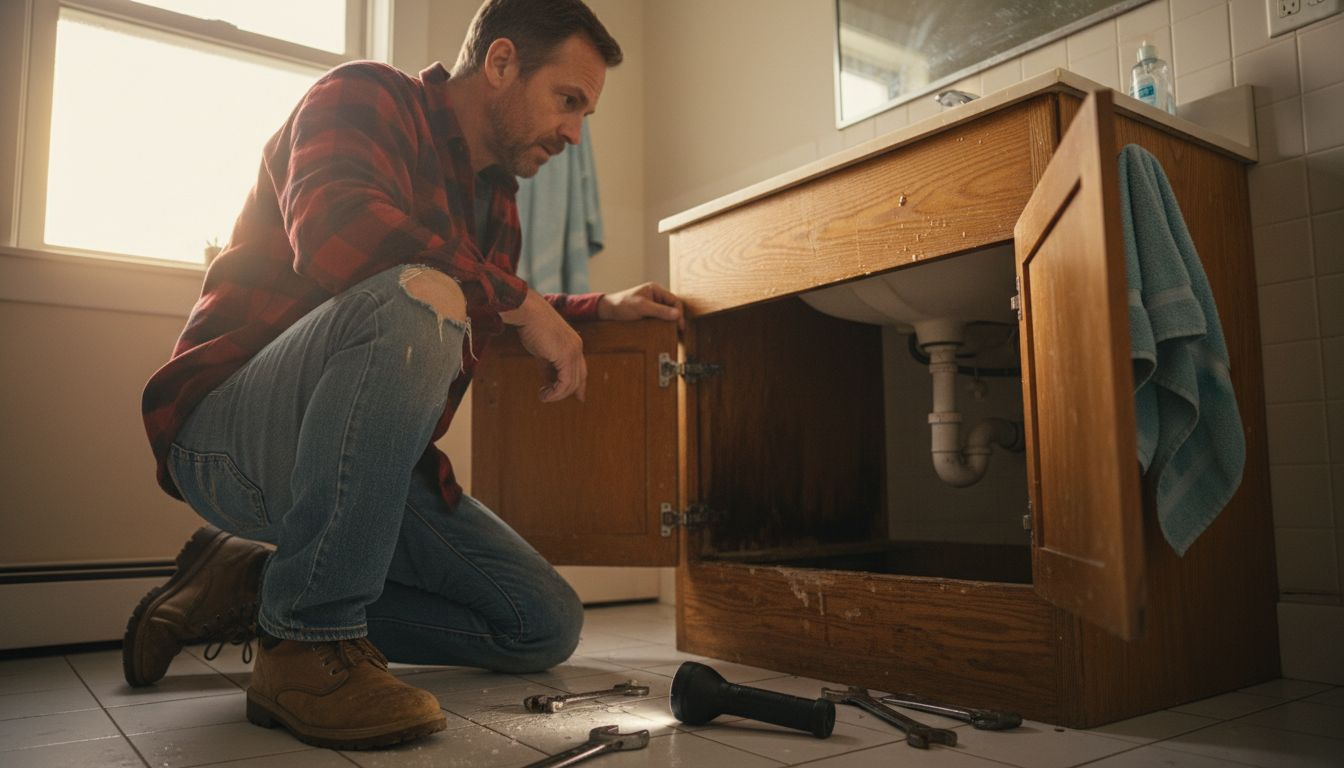
Water damage represents one of the most devastating consequences of neglected plumbing systems. Small, undetected leaks can gradually erode building materials, create conditions for mold growth, and compromise wooden structures, foundations, and interior walls. These hidden problems often develop silently behind walls or under floors, causing extensive damage before becoming visibly apparent. Routine inspections help identify potential leak points, worn pipe connections, and early signs of corrosion that could potentially lead to major water intrusion events.
Sustainable plumbing design research indicates that proactive maintenance prevents multiple systemic failures. Beyond water damage, regular service addresses potential issues like pipe deterioration, sediment buildup in water heaters, reduced water pressure, and inefficient fixture performance. By catching these problems early, homeowners can avoid costly emergency repairs, extend the lifespan of their plumbing infrastructure, and maintain optimal system efficiency. Key prevention strategies include annual professional inspections, prompt leak repairs, and systematic assessment of pipe conditions and water quality.
Pro tip: Create a digital maintenance log tracking your plumbing system’s inspection dates, repairs, and potential problem areas to stay ahead of potential issues.
Financial and Health Impacts of Neglected Plumbing
Public health research demonstrates that neglected plumbing systems pose significant risks far beyond simple mechanical failures. These risks extend to both financial stability and family health, creating potential long-term consequences that can impact household well-being and economic security.
The financial implications of poor plumbing maintenance are substantial and often unexpected. Minor leaks, seemingly insignificant pipe deterioration, and unaddressed fixture problems can rapidly escalate into major repair expenses. A small undetected leak might cost a few dollars to fix initially, but when left unchecked, could result in thousands of dollars of water damage to floors, walls, and foundational structures. Water damage can compromise building materials, create mold growth conditions, and potentially reduce property value, turning a minor maintenance issue into a major financial burden.
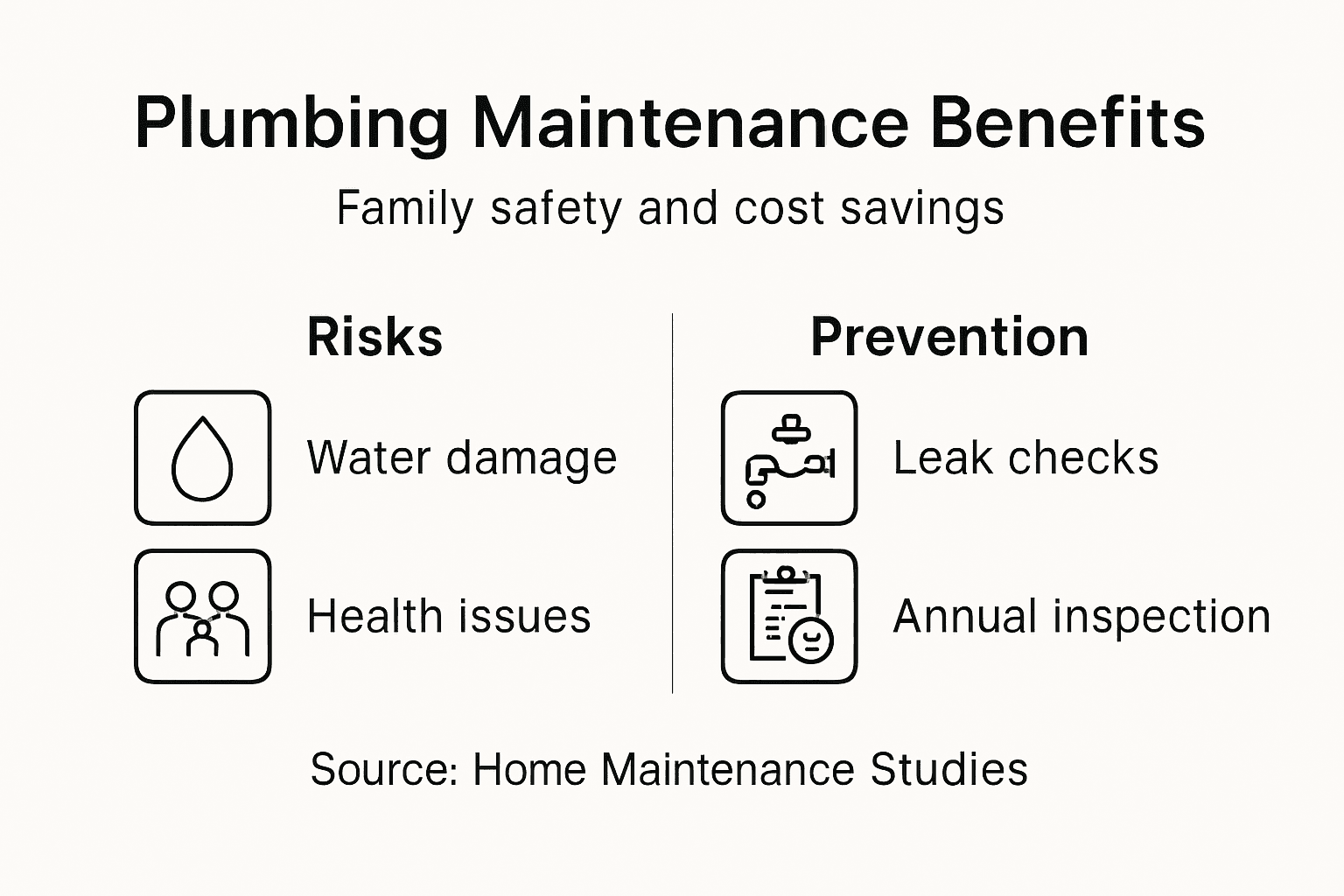
Community health infrastructure studies highlight that plumbing systems are critical to preventing disease transmission and maintaining safe living environments. Compromised plumbing can introduce harmful bacteria, contaminants, and waterborne pathogens into household water supplies. These health risks are particularly dangerous for children, elderly family members, and individuals with compromised immune systems. Potential health impacts include gastrointestinal illnesses, skin infections, and more serious long-term conditions resulting from chronic exposure to contaminated water sources.
Pro tip: Invest in an annual professional plumbing inspection to catch potential issues early and prevent costly repairs and health risks.
Below is a comparison of financial and health impacts resulting from neglected plumbing versus regular maintenance:
| Aspect | Neglected Plumbing | Regular Maintenance |
|---|---|---|
| Repair Costs | Often very high and unexpected | Lower, predictable investment |
| Health Risks | High risk of illness | Minimal, healthy environment |
| Property Value | Can decrease significantly | Maintains or increases value |
Family Responsibilities and Choosing Local Professionals
Home maintenance guidelines underscore the critical role families play in maintaining their home’s plumbing infrastructure. Proactive maintenance is not just a recommended practice but a fundamental responsibility that protects both household health and property value.
Selecting the right local plumbing professional requires careful consideration and research. Families should prioritize licensed technicians with proven expertise in local building codes and regional water system characteristics. Key factors in choosing a plumber include verifying professional certifications, checking customer reviews, understanding their experience with specific regional plumbing challenges, and confirming their insurance and warranty coverage. A qualified local professional will not only address immediate repair needs but also provide strategic guidance on preventing future plumbing issues specific to your home’s unique infrastructure.
Sustainable community infrastructure studies highlight that supporting local plumbing professionals contributes to broader community resilience. By choosing local experts, families invest not just in their home’s maintenance but also in workforce development and local economic sustainability. Skilled local plumbers understand nuanced regional water quality issues, building standards, and environmental conditions that national or non-local services might overlook. This localized expertise ensures more precise, culturally appropriate, and long-term effective plumbing solutions.
Pro tip: Create a comprehensive file documenting all previous plumbing work, including dates, services performed, and professional contact information for future reference and maintenance tracking.
Protect Your Family with Expert Plumbing Maintenance
Regular plumbing maintenance is essential to prevent costly water damage, health risks, and unexpected repair expenses discussed in the article. If your family is concerned about maintaining a safe and efficient home water system, trusting professionals who understand the complexities of water supply management, fixture upkeep, and drainage monitoring is crucial. Terms like “pipe integrity,” “leak detection,” and “system inspection” are not just technical jargon but vital parts of safeguarding your home.
Davinroy Plumbing offers comprehensive services including hot water tank service, toilet repair, and frozen pipe repair designed to address these exact problems in the Belleville, Illinois area. Our licensed experts help you avoid the escalating effects of neglected plumbing by providing timely, thorough inspections and repairs that extend the lifespan of your home’s plumbing.
Don’t wait for minor leaks or inefficient fixtures to turn into emergencies. Take control today by scheduling professional plumbing maintenance with Davinroy Plumbing. Visit our website now to learn how our trusted team can help protect your family’s health and your property value with reliable solutions tailored to your needs. Explore our complete service offerings and find peace of mind knowing you have local experts ready to support you.
Frequently Asked Questions
What is plumbing maintenance and why is it important for families?
Plumbing maintenance is the systematic process of monitoring, inspecting, and repairing a home’s water supply and drainage systems to prevent failures and ensure optimal performance. It is important for families as it helps identify potential issues before they become costly emergencies, preserving health and property value.
How frequently should families schedule plumbing inspections?
Families should schedule a comprehensive plumbing inspection at least once a year to catch potential issues early. Regular inspections can help prevent small problems from escalating into more significant and expensive repairs.
What common plumbing problems can regular maintenance prevent?
Regular plumbing maintenance can prevent issues such as water leaks, pipe deterioration, sediment buildup in water heaters, and blocked drains. Addressing these problems early helps protect against water damage and reduces repair costs.
How does neglected plumbing impact family health and finances?
Neglected plumbing can lead to high repair costs due to escalating issues like leaks and water damage. It can also pose health risks by introducing harmful bacteria and contaminants into drinking water, affecting the well-being of household members.