Water leaks and plumbing issues are not just inconvenient for Belleville homeowners—they can drain hundreds of dollars each year if left unchecked. The typical American family wastes an estimated 17 gallons of water per day due to hidden leaks, leading to higher utility bills and bigger repair headaches. Staying ahead with practical maintenance helps you avoid future stress, keep your home in top shape, and enjoy more efficient daily living throughout 2026.
Table of Contents
- Check for Leaks and Drips Regularly
- Inspect and Replace Old Pipes
- Clean Drains to Prevent Clogs
- Test Water Pressure Often
- Maintain Your Hot Water Tank
- Protect Pipes During Freezing Temperatures
- Know When to Call a Professional
Quick Summary
| Takeaway | Explanation |
|---|---|
| 1. Regularly check for leaks | Conduct inspections under sinks, around toilets, and near water heaters to identify leaks early and prevent damage. |
| 2. Inspect and replace old pipes | Assess pipe materials and conditions; consider using modern materials like PEX to avoid potential failures. |
| 3. Maintain clear drains | Use screens, boiling water, and natural cleaners monthly to keep drains flowing and prevent clogs. |
| 4. Test water pressure frequently | Check water pressure quarterly using a gauge; adjust or call a professional if readings are outside the normal range. |
| 5. Protect pipes in winter | Insulate vulnerable pipes and maintain indoor warmth to prevent freezing and bursting during low temperatures. |
1. Check for Leaks and Drips Regularly
Every homeowner in Belleville knows that water damage can quickly turn from a minor nuisance into a major financial headache. Detecting leaks early is your first line of defense against potential household disasters.
Understanding how to identify water leaks is crucial for preventing unnecessary water waste and protecting your home’s infrastructure. According to research, the average household loses about 17 gallons of water per day due to undetected indoor leaks water usage from indoor sources. These seemingly small drips can accumulate significant damage over time.
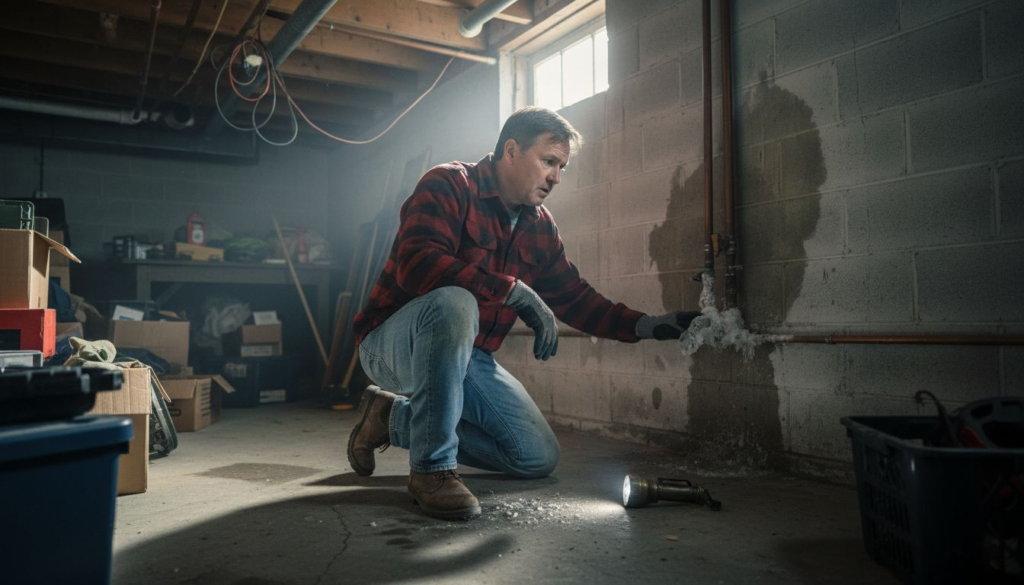
Start by conducting a comprehensive inspection of your home’s plumbing system. Check under sinks, around toilet bases, near water heaters, and along exposed pipe sections. Look for telltale signs like water stains, mold growth, or persistent dampness. Pay special attention to faucets and showerheads where even minor drips can waste substantial water.
One effective method for detecting hidden leaks involves using your water meter. Turn off all water sources in your home and observe the meter. If the meter continues moving, you likely have a leak somewhere in your system. water meter leak detection provides an excellent way to identify potential issues before they escalate.
Common areas prone to leaks include toilet flush mechanisms, washing machine connections, and under-sink plumbing. A simple food coloring test can help detect toilet leaks: drop a few drops into the tank and wait 15 minutes without flushing. If color appears in the bowl, you have a leak.
Pro tip: Invest in a digital water leak detector that can alert you to moisture and potential pipe issues before they become expensive repairs.
2. Inspect and Replace Old Pipes
Your home’s plumbing system is like its circulatory system, and just like human health, prevention and timely maintenance are key to avoiding major complications. Understanding when and how to inspect and replace old pipes can save you thousands in potential water damage and repair costs.
Most homeowners are unaware that pipe materials have varying lifespans. Copper pipes typically last 50 years, galvanized steel around 40 years, and lead pipes pose significant health risks. The EPA’s Lead and Copper Rule Improvements target complete lead pipe replacement by 2037, emphasizing the importance of proactive pipe maintenance.
Start by identifying your pipe materials. Common types include copper, PVC, galvanized steel, and potentially hazardous lead pipes. Visually inspect exposed pipes in basements, crawl spaces, and under sinks for signs of corrosion, discoloration, or visible damage. Look for white or green crusty buildup, which indicates mineral deposits and potential pipe degradation.
Professional plumbing inspections can use advanced techniques like video scoping to examine pipe interiors. These assessments reveal hidden issues such as hairline cracks, mineral buildup, or structural weaknesses that aren’t visible from the exterior. Catching these problems early prevents catastrophic pipe failures that could flood your home.
Consider pipe replacement if you notice reduced water pressure, unusual water color, or recurring leaks. Modern pipe materials like cross-linked polyethylene (PEX) offer superior durability and flexibility compared to older options. When replacing pipes, work with certified professionals who understand local building codes and can recommend the most appropriate materials for your specific home.
Pro tip: Schedule a comprehensive pipe inspection every five to seven years, even if no obvious problems are present, to catch potential issues before they become expensive emergencies.
3. Clean Drains to Prevent Clogs
Your household drains are silent workhorses that can quickly become problematic without regular maintenance. Understanding how to keep them clear prevents costly plumbing repairs and maintains your home’s overall drainage efficiency.
Drain clogs typically result from accumulated hair, soap residue, food particles, and grease buildup. Mechanical drain cleaning methods like plungers and drain snakes offer effective initial solutions for minor blockages. These tools physically remove debris without causing pipe damage that harsh chemical cleaners might create.
Establish a proactive drain maintenance routine by implementing simple preventative strategies. Install drain screens in showers and kitchen sinks to catch hair and food particles before they enter pipes. Pour boiling water down drains weekly to help dissolve minor greasy buildup. For bathroom drains, use a mixture of baking soda and vinegar monthly to naturally break down soap scum and organic materials.
Avoid pouring cooking oils, coffee grounds, and fibrous food waste down kitchen drains. These substances create stubborn blockages that can quickly transform into major plumbing emergencies. In the bathroom, minimize hair and dental floss entering drains by using protective screens and practicing mindful disposal habits.
For more challenging clogs, enzymatic drain cleaners provide an environmentally friendly alternative to caustic chemical solutions. These biological treatments use natural enzymes to gradually break down organic matter without damaging your plumbing system or introducing harmful chemicals into water systems.
Pro tip: Create a monthly drain maintenance schedule and keep a plunger and drain snake readily accessible to address minor clogs before they become significant problems.
4. Test Water Pressure Often
Water pressure might seem like an invisible household feature, but it plays a critical role in maintaining your home’s plumbing system. Inconsistent or improper water pressure can lead to significant damage and unexpected repair costs.
Typical residential water pressure should fall between 20 and 70 PSI, with most homes functioning optimally around 50 PSI. Water pressure dynamics involve complex interactions between static pressure from storage tanks and dynamic pressure changes along pipe networks. Low pressure can indicate leaks, while excessively high pressure might damage appliances and pipe connections.
To test water pressure, purchase an inexpensive pressure gauge that attaches to an outdoor spigot or washing machine connection. Turn off all water sources in your home, then connect the gauge and open the water valve fully. The reading will provide immediate insight into your home’s water pressure. Repeat this test quarterly to track any significant changes.
Watch for warning signs like inconsistent shower temperatures, stuttering faucet flow, or appliances struggling to operate efficiently. These symptoms often indicate underlying pressure problems that require professional investigation. Some modern water pressure regulators can be adjusted to maintain optimal pressure levels, preventing potential plumbing system stress.
Consider installing a whole house pressure monitoring system for continuous tracking. These advanced devices can alert you to pressure fluctuations in real time, allowing proactive maintenance and preventing potential water damage.
Pro tip: Invest in a digital water pressure gauge with smartphone connectivity for easy monitoring and instant pressure readings directly from your phone.
5. Maintain Your Hot Water Tank
Your hot water tank is more than just a metal container storing heated water it is a critical component of your home’s comfort and energy efficiency. Proper maintenance can extend its lifespan, reduce energy costs, and prevent unexpected breakdowns.
Modern water heaters are designed with advanced safety features, but they still require regular attention. Hot water system maintenance involves comprehensive checks of temperature settings, insulation, and critical safety mechanisms. The average residential water heater typically lasts 8 to 12 years with appropriate care.
Annual maintenance should include draining and flushing the tank to remove sediment buildup, which can reduce heating efficiency and cause potential damage. Check the pressure relief valve to ensure it functions correctly a critical safety component that prevents potential tank explosions. Inspect the tank exterior for signs of rust, corrosion, or water leakage, which might indicate underlying structural problems.
Consider the location of your water heater. Tanks in unheated spaces like garages or basements require additional insulation to maintain efficiency. Modern heat pump water heaters offer energy efficient alternatives that can significantly reduce electricity consumption. Set your water temperature between 120 and 140 degrees Fahrenheit optimal for both safety and energy conservation.
For homes with hard water, more frequent maintenance becomes essential. Mineral deposits can accelerate tank deterioration and reduce overall performance. Consider installing a water softener or using specialized filtration systems to protect your investment.
Pro tip: Schedule a professional water heater inspection every two years, even if no obvious issues are present, to catch potential problems before they become expensive repairs.
6. Protect Pipes During Freezing Temperatures
Freezing temperatures can transform your home’s plumbing system into a potential disaster zone, with pipes at risk of bursting and causing extensive water damage. Understanding how to protect your pipes during cold weather is crucial for preventing costly repairs.
Water has a unique property it expands when it freezes, creating immense pressure inside pipes that can cause them to rupture. Preventing frozen pipe damage requires proactive strategies and careful monitoring during winter months.
Start by identifying vulnerable pipe locations. Pipes in unheated areas like basements, attics, crawl spaces, and exterior walls are most at risk. Insulate these pipes using foam sleeves or heat tape, creating a protective barrier against extreme cold. For outdoor hose bibs, install frost free spigots or use insulated covers during winter months.
Maintain indoor temperatures consistently above 55 degrees Fahrenheit, even when you are away from home. Open cabinet doors under sinks to allow warm air circulation around pipes. During extreme cold spells, allow a small trickle of water to run from faucets connected to vulnerable pipes this constant movement helps prevent freezing.
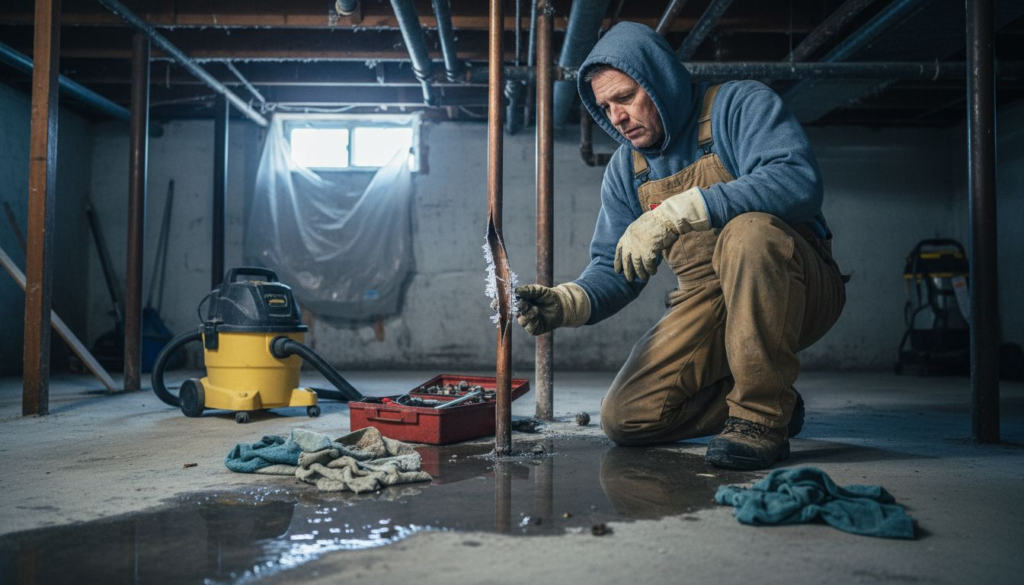
If you discover frozen pipes, act quickly but carefully. Shut off the main water valve to minimize potential damage. Apply gentle heat using a hair dryer or heating pad, starting from the section nearest to the faucet and working toward the coldest section. Never use open flame devices like blowtorches, which can cause additional damage.
Pro tip: Create a winter emergency kit with pipe insulation materials, heat tape, and the contact information for a local emergency plumber before cold weather hits.
7. Know When to Call a Professional
Homeowners often walk a fine line between DIY repairs and professional intervention in their plumbing systems. Understanding when to tackle a problem yourself and when to call a licensed plumber can save you significant time, money, and potential property damage.
Professional plumbing inspections are critical for maintaining complex residential water systems. Some warning signs that demand immediate professional attention include persistent low water pressure, unexplained water bill increases, sewage odors, mysterious water stains, and sounds of running water when no fixtures are in use.
Certain plumbing scenarios absolutely require licensed expertise. Gas line repairs, sewer line replacements, main water line work, and extensive pipe network modifications demand specialized knowledge and certification. These tasks involve intricate technical skills, specialized equipment, and understanding of local building codes that go far beyond typical homeowner capabilities.
Beware of attempting repairs that could potentially void warranties or home insurance coverage. Complex installations like water heaters, whole house filtration systems, or significant pipe replacements require professional documentation and proper permitting. A licensed plumber ensures work meets current safety standards and municipal regulations.
Critical red flags signaling immediate professional intervention include water backing up in multiple drains, sudden dramatic water pressure changes, visible pipe corrosion, and any indication of potential structural water damage. These issues can quickly escalate from minor inconveniences to major home restoration projects if not addressed promptly.
Pro tip: Maintain a relationship with a reliable local plumbing professional and schedule annual system inspections to catch potential issues before they become expensive emergencies.
Below is a comprehensive table summarizing tips for maintaining your home’s plumbing system as discussed throughout the article.
| Category | Description | Key Actions |
|---|---|---|
| Detect Leaks | Issues from leaks and drips in infrastructure. | Inspect plumbing systems and utilize water meter tests. |
| Replace Old Pipes | Benefits of timely pipe maintenance. | Schedule inspections and replace degraded pipes. |
| Maintain Drains | Prevent blockages in kitchen and bathroom. | Regular cleaning using natural methods and tools. |
| Check Water Pressure | Importance of monitoring pressure levels. | Use a pressure gauge and address discrepancies. |
| Hot Water Tank Care | Essential maintenance for hot water tanks. | Flush tanks yearly and inspect safety features. |
| Protect Pipes from Freezing | Prevent damage during cold weather. | Insulate pipes and ensure proper indoor temperatures. |
| Professional Assistance | When expert intervention is necessary. | Contact licensed plumbers for specific issues. |
Protect Your Belleville Home with Expert Plumbing Care
Preventing costly water damage and plumbing emergencies begins with understanding the risks of leaks, old pipes, clogged drains, and freezing temperatures. This article highlights the importance of regular inspections, maintaining optimal water pressure, and timely repairs to keep your plumbing system safe and efficient. Ignoring these essential maintenance tips can lead to unexpected stress, damaged property, and expensive fixes.
Davinroy Plumbing is ready to help Belleville homeowners tackle these challenges with reliable services including hot water tank maintenance, toilet repair, and frozen pipe protection. Explore our full range of plumbing solutions designed to safeguard your home throughout every season.

Don’t wait for small issues to turn into major disasters. Act now by contacting the local experts at Davinroy Plumbing. Schedule a professional inspection or repair service today and experience peace of mind knowing your plumbing system is in trusted hands.
Frequently Asked Questions
How often should I check for plumbing leaks in my home?
Regularly checking for plumbing leaks is essential to prevent water waste and damage. Conduct these checks at least once a month, focusing on areas like under sinks, near toilets, and around exposed pipes.
What should I do if I find a leak in my plumbing system?
If you discover a leak, turn off the water supply to that area immediately to minimize damage. Then, consider calling a professional plumber to assess the leak and recommend necessary repairs.
How can I maintain my hot water tank effectively?
To maintain your hot water tank, drain and flush it annually to remove sediment buildup. Also, inspect the tank for rust and corrosion to ensure it operates efficiently and lasts longer.
What are the signs that my water pressure is too low or too high?
Signs of improper water pressure include unusually low water flow from faucets or appliances, as well as banging pipes. Test your water pressure with a gauge and aim to keep it between 20 and 70 PSI for optimal performance.
When should I call a professional plumber instead of attempting DIY repairs?
Call a professional plumber for complicated issues, such as sewer line repairs or significant leaks, that require specialized knowledge. If you notice persistent water pressure changes or multiple drain backups, seek expert help immediately.
What are effective ways to prevent drain clogs in my home?
To prevent drain clogs, install drain screens and regularly clean them. Additionally, pour boiling water down drains weekly and avoid putting grease or fibrous foods down the sink to keep drains clear.
Recommended
- What Is Plumbing and Why It Matters Locally
- Toilet Troubles? Home Depot’s Unclogging Tips to the Rescue! – Davinroy Plumbing and Mechanical
- Don’t Get Soaked: Best Water Leak Detectors Reviewed – Davinroy Plumbing and Mechanical
- When Your Garbage Disposal Needs a Lifeline: Emergency Repair Solutions – Davinroy Plumbing and Mechanical