Few things disrupt a peaceful Belleville home faster than an unexpected plumbing disaster. Every American homeowner faces the real risk of water damage, with burst pipes and hidden leaks accounting for billions of dollars in repairs each year. Taking simple, practical steps can help you avoid emergencies and protect your investment. Discover how to keep your household plumbing system safe while saving money and worry over time.
Table of Contents
- 1. Know Your Main Water Shut-Off Valve Location
- 2. Check for Pipe Leaks and Drips Regularly
- 3. Avoid Chemical Drain Cleaners in Your Pipes
- 4. Insulate Pipes to Prevent Freezing Issues
- 5. Safely Use and Store Plumbing Tools at Home
- 6. Monitor Water Pressure to Prevent Damage
- 7. Schedule Routine Professional Plumbing Inspections
Quick Summary
| Key Message | Explanation |
|---|---|
| 1. Know your main water shut-off valve location | Familiarize yourself with the valve’s position to prevent water damage during emergencies. Everyone in your household should know where it is located. |
| 2. Regularly check for pipe leaks and drips | Inspect your plumbing for signs of hidden leaks to mitigate costly repairs and conserve water. Monitor water usage when fixtures are off to spot issues. |
| 3. Avoid using chemical drain cleaners | Opt for mechanical methods like plungers or drain snakes to clear clogs instead. Chemical cleaners can damage pipes and pose health risks. |
| 4. Insulate pipes to prevent freezing | Protect vulnerable pipes with insulation to avoid costly repairs from bursts during winter. Simple measures can significantly reduce risk. |
| 5. Schedule routine plumbing inspections | Have your plumbing evaluated by professionals at least once a year to catch issues early and save on emergency repairs. Regular assessments are key to prevention. |
1. Know Your Main Water Shut-Off Valve Location
Understanding the location of your home’s main water shut-off valve is one of the most critical safety skills every homeowner in Belleville should master. This valve represents your first line of defense against potential water damage and plumbing emergencies.
Most homes have their main water shut-off valve located in strategic areas like basements, crawl spaces, garages near water heaters, or outside near the foundation. Emergency water shut-off procedures recommend knowing exactly where this valve is before an actual crisis occurs.
Typically, homeowners will encounter two primary types of shut-off valves: gate valves and ball valves. Gate valves require multiple clockwise turns to close completely, while ball valves can be shut off with a quarter or half turn. Familiarizing yourself with your specific valve type can save crucial minutes during a water emergency.
To locate your valve, start by checking near your water meter or in areas with direct water line access. If you cannot find the valve or are unsure how to operate it, contact a professional plumber who can help you identify and demonstrate proper shut-off techniques.
Everyone in your household should know the main water shut-off valve’s precise location. Create a clear, visual marker or map showing its exact position to ensure quick access during unexpected plumbing incidents.
Pro tip: Practice turning your main water shut-off valve every six months to prevent it from becoming stiff or difficult to operate during an actual emergency.
2. Check for Pipe Leaks and Drips Regularly
Detecting and addressing pipe leaks early can save Belleville homeowners significant money and prevent potential structural damage to their property. Small drips and unnoticed leaks might seem insignificant but can quickly escalate into major plumbing emergencies.
Homeowners should implement a systematic approach to leak detection by monitoring water meters and conducting regular visual inspections. Water leak detection strategies recommend watching for unexpected water usage when all fixtures are turned off as a key indicator of hidden leaks.
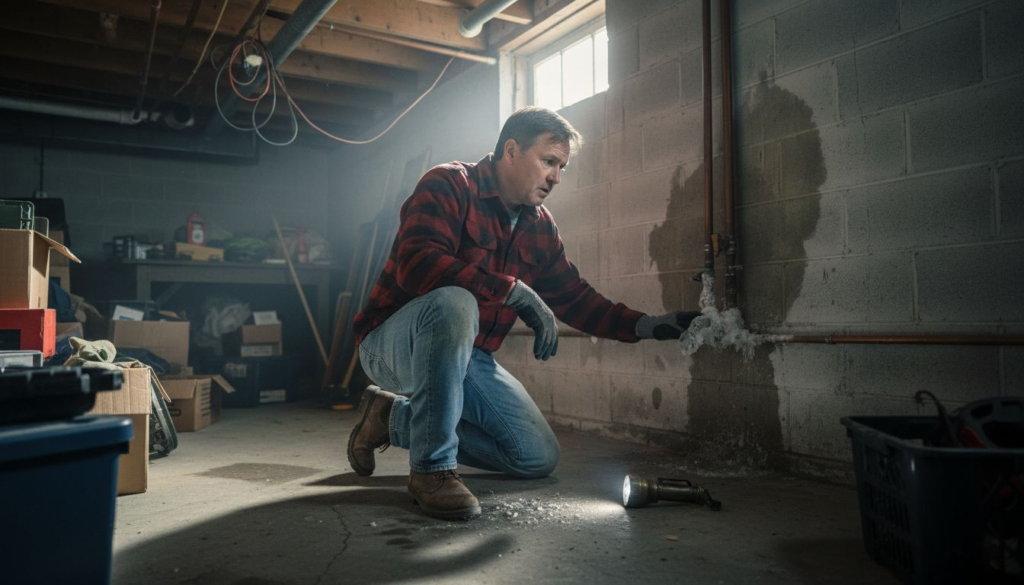
Pay special attention to areas prone to moisture such as under sinks, around toilets, near water heaters, and in crawl spaces. Look for telltale signs like water stains, damp soil near pipe connections, musty odors, or unexplained increases in water bills. These could indicate potential supply line leaks that require immediate professional assessment.
While some leaks are visible, others remain hidden within walls or underground. Professional plumbing inspections can help detect these concealed issues before they cause extensive damage. Regular maintenance helps conserve water and protects your home’s infrastructure from potential waterborne risks.
Pro tip: Invest in a moisture meter or leak detection device that can help you identify hidden moisture problems before they become expensive repairs.
3. Avoid Chemical Drain Cleaners in Your Pipes
Chemical drain cleaners might seem like a quick fix for stubborn clogs, but they can cause far more harm than good for your home’s plumbing system. These powerful chemical solutions pose serious risks to both your pipes and personal safety.
Most chemical drain cleaners contain extremely harsh acids or alkalis like sulfuric acid and sodium hydroxide that can rapidly corrode pipe materials. While they might temporarily clear a blockage, they can cause long term damage to metal piping, particularly in older homes. These chemicals generate intense heat and can weaken pipe structures, potentially leading to expensive repairs.
Moreover, chemical drain cleaners present significant health hazards. They can cause severe burns if accidentally splashed on skin, create dangerous respiratory risks from toxic fumes, and pose extreme danger if ingested. Professional plumbers consistently recommend mechanical methods like plungers, drain snakes, or enzymatic cleaners as safer alternatives for clearing pipe blockages.
For homeowners in Belleville, understanding the potential risks of these chemical solutions is crucial. Protecting your plumbing infrastructure and personal safety should always take precedence over a momentary convenience.
Pro tip: Keep a plunger and drain snake in your home toolkit as safe, reusable alternatives to harmful chemical drain cleaners.
4. Insulate Pipes to Prevent Freezing Issues
Pipe insulation is a critical defense against potential winter damage for homeowners in Belleville, where temperatures can drop dramatically and unexpectedly. Protecting your plumbing from freezing is far more cost effective than dealing with burst pipe repairs.
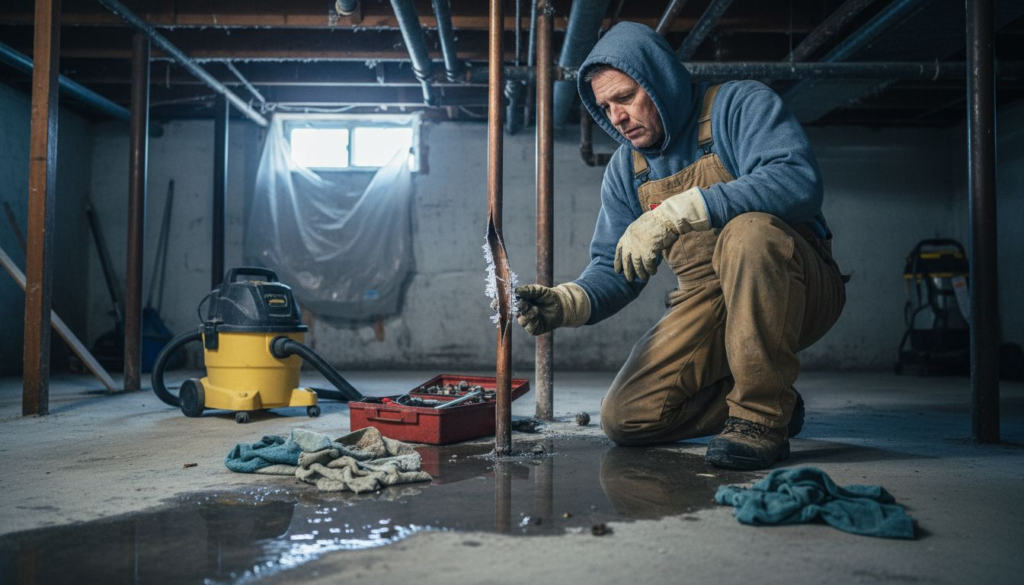
Focusing on vulnerable pipe locations is key to preventing freezing. Pay special attention to pipes in unheated spaces like basements, crawl spaces, attics, garages, and those running along exterior walls. These areas are most susceptible to temperature fluctuations and require targeted insulation strategies.
Homeowners have several affordable options for pipe protection. Foam pipe sleeves, heat tape, and heat cables can be easily installed to create a protective barrier against cold temperatures. Simple techniques like keeping cabinet doors open to allow warm air circulation and maintaining a consistent indoor temperature can also significantly reduce freezing risks.
Beyond preventing potential pipe bursts, proper insulation offers additional benefits. It helps reduce energy costs by minimizing heat loss and can decrease condensation and pipe noise. A small investment in insulation can save hundreds or even thousands of dollars in potential water damage repairs.
Pro tip: When temperatures drop below freezing, let faucets drip slightly to keep water moving and reduce the likelihood of pipe freezing.
5. Safely Use and Store Plumbing Tools at Home
Proper handling and storage of plumbing tools are essential for maintaining a safe home environment and preventing potential accidents. Your tools are not just equipment they are critical instruments that require careful management.
Every homeowner should understand fundamental tool safety protocols for protecting both themselves and their equipment. This means regularly inspecting tools for damage, using appropriate personal protective gear such as safety glasses and work gloves, and ensuring each tool is used exclusively for its intended purpose.
When storing plumbing tools, create a dedicated space that is dry, organized, and inaccessible to children. Use toolboxes with secure latches, hang tools on pegboards with clearly defined spaces, or install locked cabinets. Keep electrical tools unplugged and store them away from moisture to prevent rust and electrical hazards.
Special attention should be paid to sharp or potentially dangerous tools like pipe cutters, wrenches, and drain snakes. Always clean these tools after use, apply a light coat of protective oil to metal surfaces to prevent rusting, and store them in a manner that prevents accidental contact with their cutting or sharp edges.
Pro tip: Create a simple inventory checklist for your plumbing tools and perform a quarterly inspection to ensure everything remains in safe working condition.
6. Monitor Water Pressure to Prevent Damage
Understanding and maintaining proper water pressure is crucial for protecting your home’s plumbing infrastructure and preventing costly potential damage. Water pressure might seem like an invisible factor, but it plays a significant role in your plumbing system’s overall health.
Most residential homes should maintain water pressure between 40 and 60 PSI to ensure optimal performance and minimize risk of pipe damage. Pressure exceeding 70 PSI can strain pipes, fixtures, and appliances, potentially leading to premature wear and unexpected failures.
Homeowners can monitor water pressure using affordable pressure gauges that attach to outdoor spigots or water meter connections. These simple tools provide immediate insights into your home’s water pressure levels. If readings consistently fall outside the recommended range, consider installing a pressure reducing valve or consulting a professional plumber to assess and adjust your system.
Water pressure issues can manifest through various symptoms including banging pipes, unexplained leaks, running toilets, or inconsistent water flow. Recognizing these signs early can help you prevent more extensive and expensive plumbing repairs down the line.
Pro tip: Invest in a digital water pressure gauge and check your home’s pressure quarterly to catch potential issues before they become major problems.
7. Schedule Routine Professional Plumbing Inspections
Routine professional plumbing inspections are your first line of defense against potential home infrastructure problems. These comprehensive evaluations go far beyond what an untrained eye can detect, helping homeowners identify and address potential issues before they escalate into costly repairs.
Professional plumbers use specialized diagnostic tools and advanced inspection techniques to thoroughly assess your home’s entire plumbing system. This includes examining pipe conditions, checking water pressure, identifying potential leak points, and ensuring all components meet current safety standards.
Most experts recommend scheduling a professional plumbing inspection at least once per year. For older homes or properties with complex plumbing systems, twice yearly inspections might be necessary. These evaluations can uncover hidden issues like minor leaks, potential pipe corrosion, water pressure irregularities, and early signs of system degradation that could lead to significant damage if left unaddressed.
Belleville homeowners should view professional plumbing inspections as a proactive investment in their property. The small cost of an annual inspection can potentially save thousands of dollars in emergency repairs and prevent disruptive water damage to your home.
Pro tip: Schedule your annual plumbing inspection during spring or fall when plumbers typically have more flexible availability and can thoroughly assess your system before extreme seasonal changes.
Below is a comprehensive table summarizing the key safety tips and strategies for managing plumbing issues and maintenance discussed throughout the article.
| Topic | Description | Key Actions and Recommendations |
|---|---|---|
| Main Water Shut-Off Valve | Knowing the location of this valve is critical for emergency response. | Locate the valve in common areas like basements or garages, mark its location, and practice turning it off periodically. |
| Pipe Leak Detection | Early identification of leaks prevents damage and costly repairs. | Inspect moisture-prone areas, monitor water meter usage, and use moisture detection tools for concealed leaks. |
| Avoid Chemical Drain Cleaners | Chemical cleaners can harm pipes and pose safety risks. | Use mechanical methods like plungers and drain snakes instead of harmful chemical alternatives. |
| Pipe Insulation | Insulation protects pipes from freezing, especially in colder regions. | Insulate pipes in unheated spaces and use techniques like foam sleeves and heat tape to prevent freezing. |
| Plumbing Tool Safety | Proper usage and storage ensure safe handling and tool longevity. | Maintain tools in dry, organized spaces, inspect for damage, and use protective gear when necessary. |
| Monitor Water Pressure | Optimal pressure prevents damage to the plumbing system. | Use pressure gauges to monitor levels monthly and address anomalies promptly. |
| Routine Plumbing Inspections | Professional examinations identify and mitigate hidden issues. | Schedule annual or biannual inspections to proactively maintain your plumbing system. |
Protect Your Belleville Home with Expert Plumbing Care
Homeowners face challenges like locating main shut-off valves, preventing pipe leaks, and avoiding costly damage from frozen pipes and high water pressure. These pain points from the article highlight the importance of trusted support to safeguard your property and peace of mind. At Davinroy Plumbing, we understand that managing plumbing safety is not just a task but a critical responsibility to protect your family’s comfort and your investment.
Do not wait for an emergency to strike. Benefit now from our comprehensive services including frozen pipe repair, hot water tank maintenance, and reliable toilet repair to keep your plumbing system safe and efficient year-round. Visit Davinroy Plumbing to schedule your service and turn essential home plumbing safety tips into lasting protection starting today.
Frequently Asked Questions
What is the main water shut-off valve and why is it important?
The main water shut-off valve is a critical component of your home’s plumbing system that allows you to stop water flow in an emergency. Knowing its location can save you from extensive water damage. Identify this valve and create a visual marker for quick access during unexpected plumbing incidents.
How can I check for pipe leaks in my home?
To check for pipe leaks, regularly inspect areas prone to moisture like under sinks and around toilets. Monitor your water meter for unexpected usage when all faucets are off. Schedule a professional inspection annually to detect hidden leaks before they become costly repairs.
Why should I avoid using chemical drain cleaners?
Chemical drain cleaners can corrode pipes and pose health risks, making them a poor choice for clearing clogs. Instead, opt for mechanical methods like plungers or drain snakes to safely resolve blockage issues. Keep a plunger on hand for immediate use in case of frequent clogs.
How can I prevent my pipes from freezing in winter?
To prevent freezing, insulate vulnerable pipes in unheated areas like basements and garages. Use foam sleeves or heat tape to create a protective barrier against cold temperatures, and let faucets drip slightly when temperatures drop below freezing to keep water flowing.
What should I do to maintain proper water pressure in my home?
Maintaining water pressure between 40 and 60 PSI is crucial for protecting your plumbing. Use a pressure gauge to regularly check your water pressure; if it exceeds 70 PSI, consider consulting a plumber to install a pressure-reducing valve.
How often should I schedule professional plumbing inspections?
Aim to schedule a professional plumbing inspection at least once a year to identify potential issues early. For older homes, consider biannual inspections to address any hidden problems and avoid costly repairs later on. Plan inspections during spring or fall for better availability.
Recommended
- What Is Plumbing and Why It Matters Locally
- Don’t Get Soaked: Best Water Leak Detectors Reviewed – Davinroy Plumbing and Mechanical
- When Your Garbage Disposal Needs a Lifeline: Emergency Repair Solutions – Davinroy Plumbing and Mechanical
- Toilet Troubles? Home Depot’s Unclogging Tips to the Rescue! – Davinroy Plumbing and Mechanical
- Air Conditioner Installation Steps: A Comprehensive Guide – HVAC Service and Repair | Louisville, KY | Project Heating & Cooling