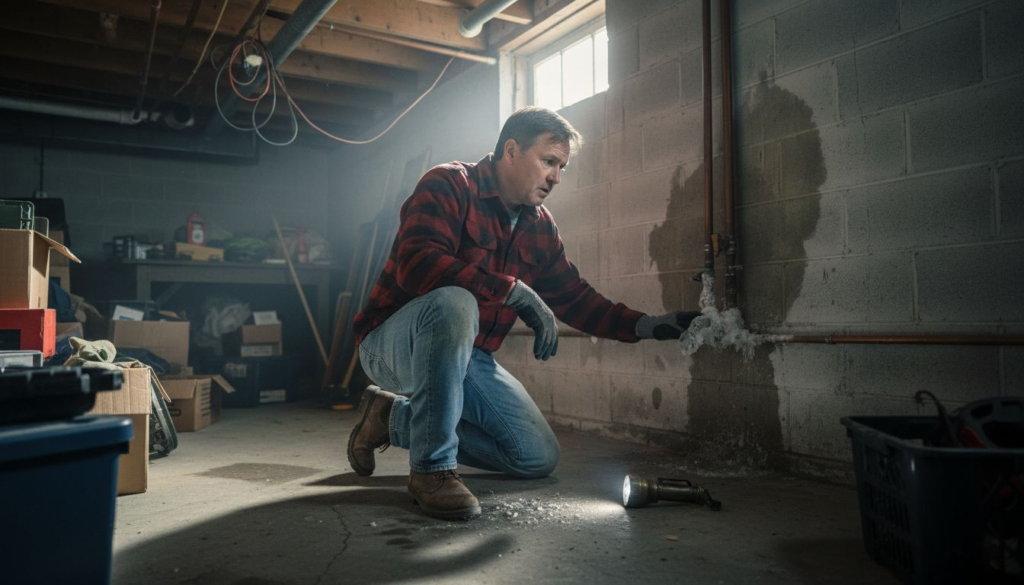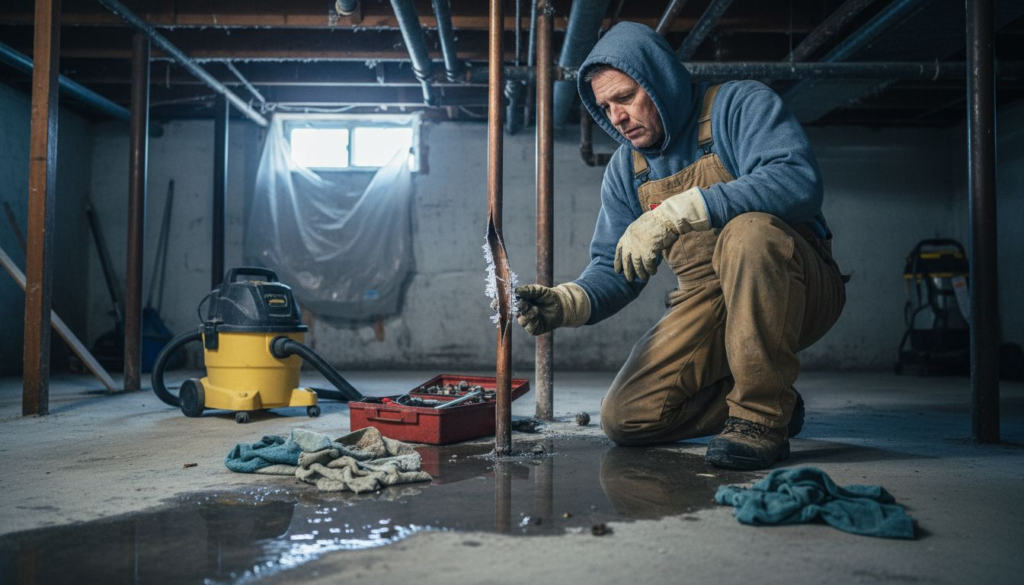
Cold nights in Belleville often leave homeowners worrying about frozen pipes and surprise water damage. Most expect cracks to form where ice expands, but the real threat is the immense pressure trapped between ice blockages and closed faucets. When temperatures dip below 32°F, water inside rigid pipes starts to freeze, putting your home’s plumbing at risk for costly bursts. Discover how these hidden hazards develop and learn which simple prevention tips can help you stay dry and avoid emergency repairs.
Table of Contents
- How Frozen Pipes Burst Explained
- Where and When Pipes Are at Risk
- Types of Pipes Most Vulnerable to Bursting
- Warning Signs and Common Misconceptions
- Risks, Repair Costs, and Prevention Tips
Key Takeaways
| Point | Details |
|---|---|
| Frozen pipes can burst due to pressure buildup | The real danger occurs when water pressure from trapped water rises to critical levels, not just from ice expanding. |
| Identify vulnerable pipes in your home | Focus on unheated areas and exterior walls, as these are most likely to freeze during extreme cold conditions. |
| Know the pipe materials in your home | Copper pipes are highly susceptible to bursting in freezing conditions, while PEX pipes offer better resistance. |
| Proactive prevention is key | Simple measures like insulating pipes, allowing faucets to drip, and maintaining a warm environment can effectively prevent bursts. |
How Frozen Pipes Burst Explained
The burst pipe problem in Belleville winters doesn’t happen the way most people think. You might assume that ice simply expands and pushes against the pipe walls until they crack. But that’s not quite what occurs. When water reaches 32°F inside your pipes, it begins forming ice crystals, which expands about 9% in volume. However, the real damage comes from water pressure buildup, not the ice pushing outward. Here’s what actually happens inside your walls.
As ice forms in your pipe, it creates a solid blockage that traps water between the ice dam and your closed faucet or fixture. Since water cannot compress, the trapped water downstream continues to freeze and expand, creating immense hydraulic pressure inside the pipe. This pressure builds rapidly—sometimes reaching hundreds of pounds per square inch. Your pipe walls weren’t designed to handle this kind of internal force. The pressure keeps mounting until the pipe’s tensile strength gives out, and you end up with a burst. What’s particularly frustrating for Belleville homeowners is that the burst usually occurs in the unfrozen sections of the pipe, away from the actual ice blockage. This means the damage appears in the walls you can access, rather than in the frozen section itself.
Understanding this mechanism helps explain why prevention matters so much. When ice blocks water flow, you’re not just dealing with a frozen pipe anymore—you’re dealing with a pressure cooker waiting to release. The pipes that burst are the ones that get trapped water with nowhere to go. That’s why allowing water to drip from faucets and opening cabinet doors under sinks during extreme cold actually works. These simple actions prevent the ice dam from forming in the first place, breaking the chain of events that leads to bursts.
Pro tip: If you suspect a frozen pipe in your home, open the cabinet doors under sinks and turn faucets on to a slow drip before temperatures drop below 20°F—this ongoing water movement prevents the blockages that cause bursting.
Where and When Pipes Are at Risk
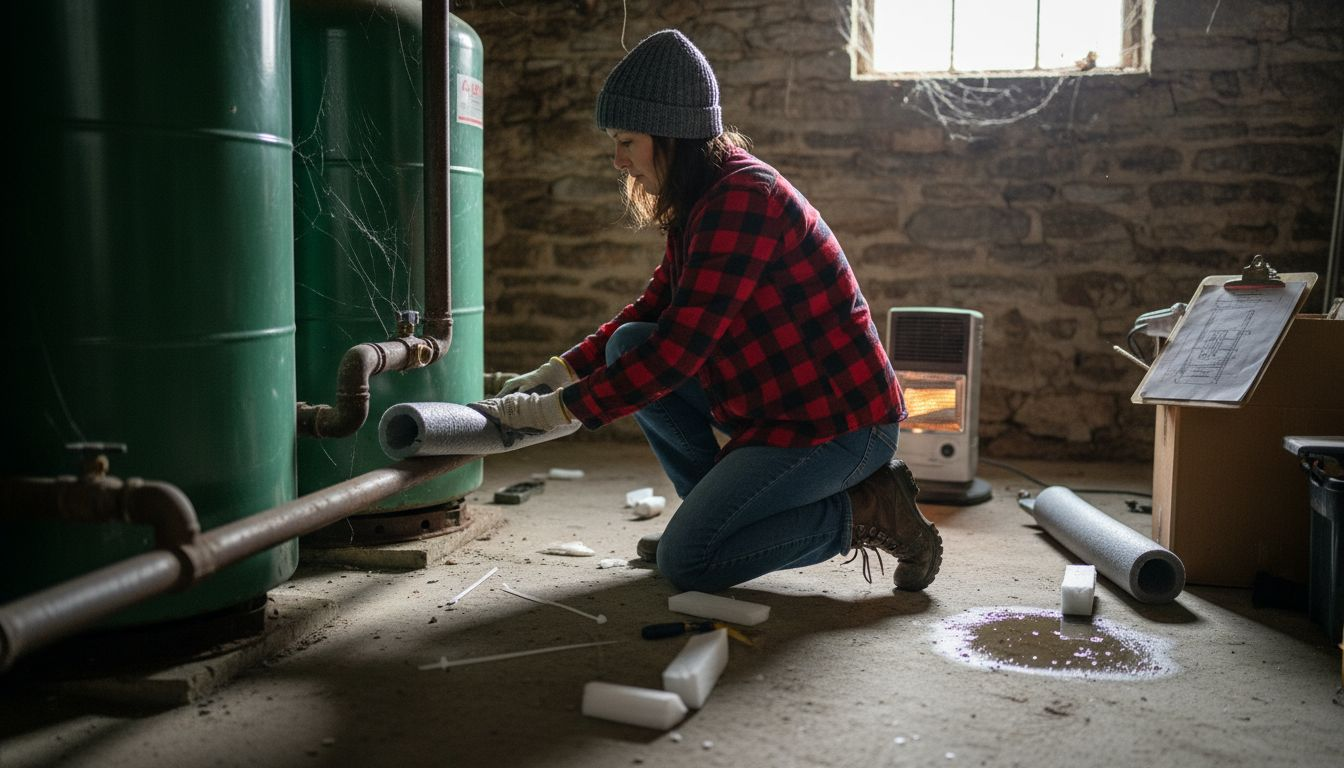
Not all pipes in your Belleville home freeze at the same rate. Location matters tremendously. The pipes most vulnerable to freezing are those in unheated or poorly insulated spaces—think basements with minimal heat, attics, crawl spaces, and garages where temperatures can dip dangerously low. Exterior walls present another critical risk zone, especially on the north side of your home where sunlight rarely reaches. Any plumbing that runs along the outer perimeter of your house or sits exposed to cold drafts becomes a pressure point during winter. Additionally, outdoor hose bibs and sprinkler systems represent some of the easiest targets for freezing because they lack the insulation and heat circulation of interior lines.
The timing of freezing risk depends heavily on how cold it gets and for how long. Most homeowners don’t realize that pipes don’t freeze instantly when temperatures drop. Water inside pipes begins to freeze around 32°F, but your home’s residual heat often keeps interior pipes warm enough. The real danger emerges during prolonged cold spells, particularly when temperatures stay below 20°F for extended periods. In Belleville, this typically occurs from late December through February, but unpredictable early cold snaps in November or late cold stretches in March can catch homeowners off guard. A single night of subfreezing temperatures might not cause issues, but when the forecast shows three days or more of below-freezing conditions, your risk multiplies significantly.
Your pipes enter your home through specific vulnerable points too. Water lines running through garages, foundation walls, or crawl spaces lack the protected warmth of your living spaces. If your main water line enters from an outside wall, that entry point becomes a critical weak spot. Older homes in Belleville often have these exposure problems built right into their design. The combination of location and temperature creates the perfect storm for freezing. A basement pipe near an exterior wall might freeze while your upstairs bathroom stays fine, simply because one is in a consistently cold zone while the other benefits from the heat rising through your home.
Pro tip: Identify vulnerable pipes now by walking your basement, attic, and garage with a flashlight, marking any exposed lines near exterior walls or in unheated zones, then prioritize insulating those areas before the first freeze arrives.
Types of Pipes Most Vulnerable to Bursting
Your home’s plumbing material matters far more than most Belleville homeowners realize. Not all pipes respond to freezing the same way, and understanding which types are most at risk can help you prioritize your prevention efforts. Copper pipes, found in many older homes throughout the region, are among the most vulnerable to bursting. Copper is rigid and inflexible, meaning it cannot give way when internal pressure builds from expanding ice. When that pressure exceeds the pipe’s tensile strength, the copper splits or cracks, often at joints or weak points where corrosion has already weakened the material. The brittleness of copper intensifies when temperatures drop, making it particularly susceptible during Belleville’s harsh winters.
In contrast, flexible pipes like PEX handle freezing much better. PEX can expand and contract slightly as water freezes inside, accommodating some of the pressure buildup that would catastrophically damage rigid metal. Modern homes increasingly use PEX for this exact reason. Plastic pipes such as PVC and CPVC fall somewhere in the middle. They tolerate internal pressure better than copper but still pose risks if water freezes and expands inside them. The condition and age of any pipe material also significantly influence burst risk. Corroded or degraded pipes have a higher chance of failure because the material has already lost structural integrity, making it more susceptible to cracking when pressure builds from ice formation.
If your Belleville home was built before the 1990s, you almost certainly have copper plumbing in critical areas. This puts you in a higher risk category than newer homes with PEX systems. The joints in copper piping are particularly weak points because solder connections can degrade over decades, creating spots where bursts occur. Even if your entire system isn’t copper, many older homes have copper supply lines entering the main shutoff or running through exposed foundation walls. Knowing your pipe material helps you decide where to focus your prevention efforts. A home with extensive copper needs more aggressive insulation and heat maintenance than one with modern PEX throughout.
Pro tip: If you don’t know your pipe material, check under your kitchen sink where supply lines are visible, or ask your plumber during your next service call—knowing whether you have copper or PEX will help prioritize which areas need the most winter protection.
Here’s a quick overview of pipe materials and their response to freezing temperatures:
| Pipe Material | Freeze Resistance | Common Use in Homes | Burst Risk Level |
|---|---|---|---|
| Copper | Low | Older homes | High |
| PEX | High | Modern installations | Low |
| PVC/CPVC | Moderate | Interior/exterior lines | Moderate |
| Galvanized Steel | Low | Pre-1960s homes | High |
Warning Signs and Common Misconceptions
Catching a frozen pipe before it bursts can save you thousands in water damage and repairs. The warning signs are usually obvious if you know what to look for. Reduced or no water flow from a specific faucet or fixture is often the first clue that ice has formed somewhere in your supply line. You might notice this happens only when you turn on the kitchen sink but not the bathroom, indicating the blockage is localized to one branch of your plumbing. Frost or visible ice on exposed pipes is another dead giveaway, though by the time you see this, freezing has already begun. Check your basement, crawl space, and garage walls for white crystalline buildup on pipes. Additionally, unusually cold wall or floor surfaces near plumbing locations can signal that water inside the pipes has frozen. If a section of your basement floor feels ice cold to the touch, or a wall is noticeably colder than surrounding areas, frozen pipes may be the cause.
Now let’s tackle some dangerous misconceptions that could cost you money or create safety hazards. Many homeowners believe that frozen pipes never burst, which is simply not true. Not all frozen pipes burst, but the risk depends heavily on your pipe material, location, and how long the freeze persists. A frozen copper pipe in an exterior wall will burst far more readily than a frozen PEX line in an insulated interior wall. Another widespread myth is that you should keep all your faucets completely shut off during winter to save water. Wrong. Actually, leaving a faucet open to a slow drip helps relieve pressure behind ice blockages by allowing water movement. This simple action can prevent bursts by reducing the hydraulic pressure that builds up inside frozen sections.
The most dangerous misconception involves thawing methods. Never use open flames, heat guns, or blowtorches on frozen pipes. This approach can damage the pipe itself, create fire hazards, and cause burns. Safe thawing requires gentle, consistent heat applied from the outside of the pipe, not direct flame exposure. Some people also mistakenly believe that a dripping faucet wastes water unnecessarily during winter. In reality, that gentle drip is insurance against a burst pipe that could waste hundreds of gallons and cost thousands to repair. The water from a slow drip is insignificant compared to the damage prevention it provides.
Pro tip: Start your drip strategy before freezing weather arrives by identifying which faucets draw from the most vulnerable pipes, then leave those faucets on a slow drip whenever temperatures dip below 20°F overnight.
Risks, Repair Costs, and Prevention Tips
A burst pipe isn’t just an inconvenience in Belleville. It’s a financial disaster waiting to happen. When a pipe bursts, water doesn’t trickle out slowly. It floods your walls, soaks your insulation, ruins flooring, and can cause extensive water damage throughout your home. Beyond the immediate water cleanup, you face secondary damage that often costs more than the initial repair. Mold growth becomes a serious concern within 24 to 48 hours of water exposure. Structural damage to framing, subflooring, and foundation elements can develop over weeks if moisture isn’t properly remediated. Flooring replacement, wall reconstruction, and potential asbestos or lead remediation in older homes can push repair bills well into five figures. A burst pipe in your basement might damage foundation walls. One in your walls could require cutting through drywall and insulation to access and repair. Many homeowners face repair costs ranging from $3,000 to $25,000 or more, depending on the pipe’s location and how much water escaped before discovery.
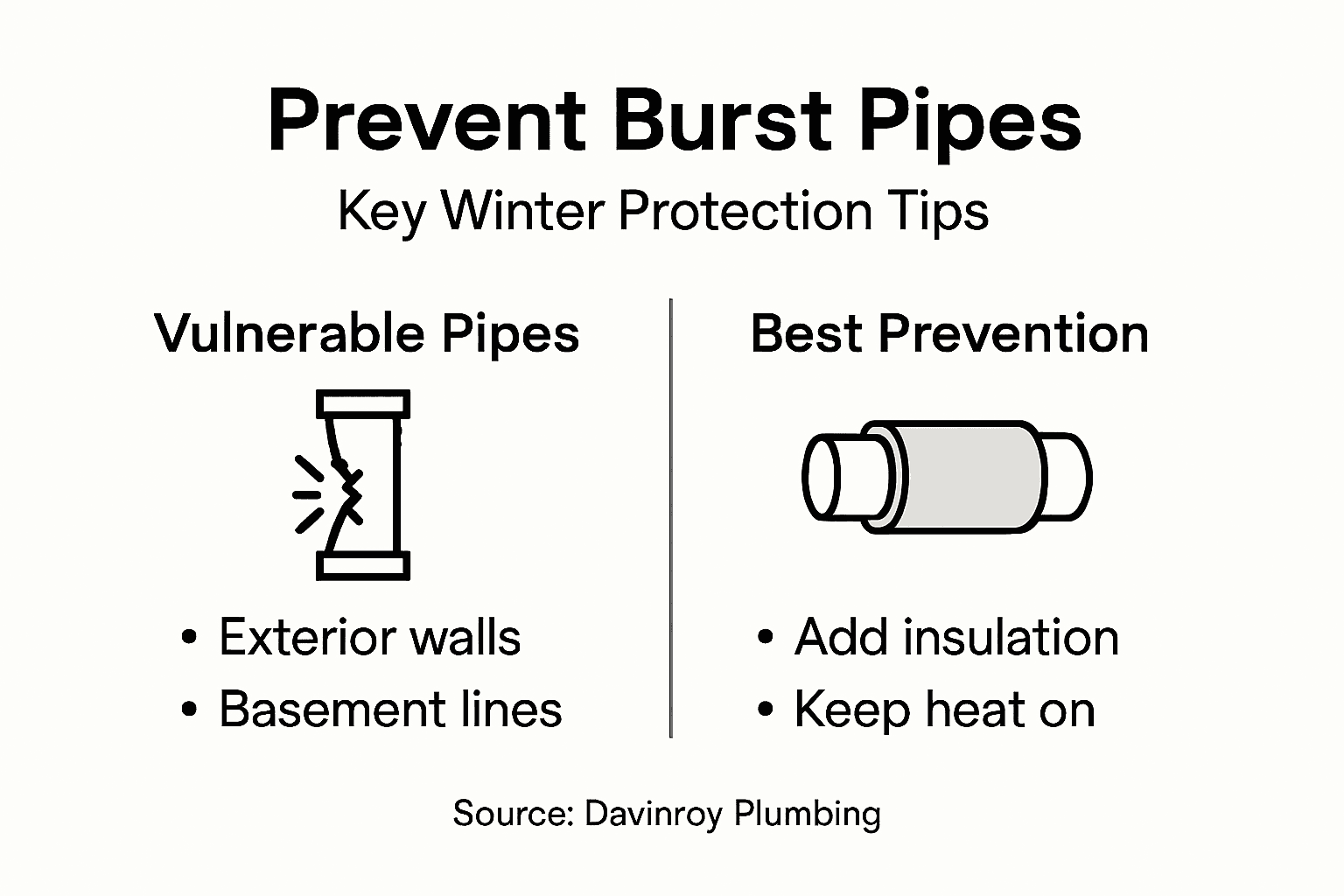
Prevention is infinitely cheaper than repair. Start with insulating vulnerable pipes. Foam pipe insulation sleeves cost just a few dollars per foot and can be installed in minutes on exposed basement or attic pipes. For pipes in exterior walls, consider adding weatherstripping around penetrations and sealing air leaks that allow cold drafts to reach the plumbing. Keep your heating system running even when you’re away from home. Setting your thermostat to at least 55°F prevents pipes in interior walls from reaching freezing temperatures. Open cabinet doors under sinks to allow warm air to circulate around supply lines. Seal foundation cracks and gaps around pipes entering your home to prevent cold air infiltration.
Know your water shut-off valve location before an emergency occurs. If a pipe bursts, you need to turn off the main water supply immediately to prevent catastrophic flooding. Most homes have a shut-off valve near where the main line enters the house, typically in a basement, crawl space, or utility room. Test yours now so you don’t waste precious minutes searching during a crisis. When thawing frozen pipes, never use open flames or rapid heating methods that can worsen damage. Use heat tape, warm towels, or a hair dryer on low heat applied from the outside of the pipe. Work slowly and patiently. The goal is gentle thawing, not aggressive heating that can crack already-stressed pipes.
Pro tip: Before winter arrives, schedule a quick walkthrough with a professional plumber to identify your most vulnerable pipes, have them insulated, and get the location of your main shut-off valve marked clearly so you’re prepared if freezing occurs.
Compare key prevention methods and their benefits:
| Prevention Method | Typical Cost | Main Benefit |
|---|---|---|
| Pipe insulation | Inexpensive | Reduces freeze risk |
| Allow faucet drip | Minimal water cost | Relieves pipe pressure |
| Seal air leaks | Low to moderate | Blocks cold drafts to pipes |
| Maintain heat | Energy cost varies | Keeps pipes above freezing |
| Professional checkup | Service fee | Identifies hidden problems |
Protect Your Belleville Home from Costly Frozen Pipe Damage Today
Burst pipes caused by frozen water pressure can lead to overwhelming water damage that no homeowner wants to face. If you are worried about vulnerable copper pipes or exposed lines in your unheated basement or garage, Davinroy Plumbing is here to help you prevent disasters before they happen. From professional pipe insulation to emergency frozen pipe repair services, we understand the pressure and risk your home faces during winter cold snaps.

Don’t wait until a burst pipe floods your walls and floors causing thousands in repairs. Contact Davinroy Plumbing now for expert solutions including pipe insulation, hot water tank tune-ups, and swift frozen pipe repair in the Belleville, Illinois area. Take control of your winter plumbing safety—schedule your service today to safeguard your home and peace of mind.
Frequently Asked Questions
What causes frozen pipes to burst?
Frozen pipes burst due to the buildup of hydraulic pressure when ice forms inside the pipe. As ice blocks water flow, pressure increases upstream, leading to a rupture in the pipe when the pressure exceeds its tensile strength.
How can I prevent my pipes from freezing in winter?
To prevent frozen pipes, insulate vulnerable pipes, keep your heating system running, open cabinet doors to allow warm air circulation, and let faucets drip during extreme cold to relieve pressure in the lines.
Which types of pipes are most susceptible to bursting when frozen?
Copper pipes are particularly vulnerable to bursting due to their rigidity, while PEX pipes have better resistance to freezing. Plastic pipes like PVC and CPVC fall in between but still carry some risk.
What are the signs of a frozen pipe?
Signs of a frozen pipe include reduced or no water flow from a faucet, frost or ice on exposed pipes, and unusually cold surfaces near plumbing locations. Be alert to these signs to prevent a burst before it happens.