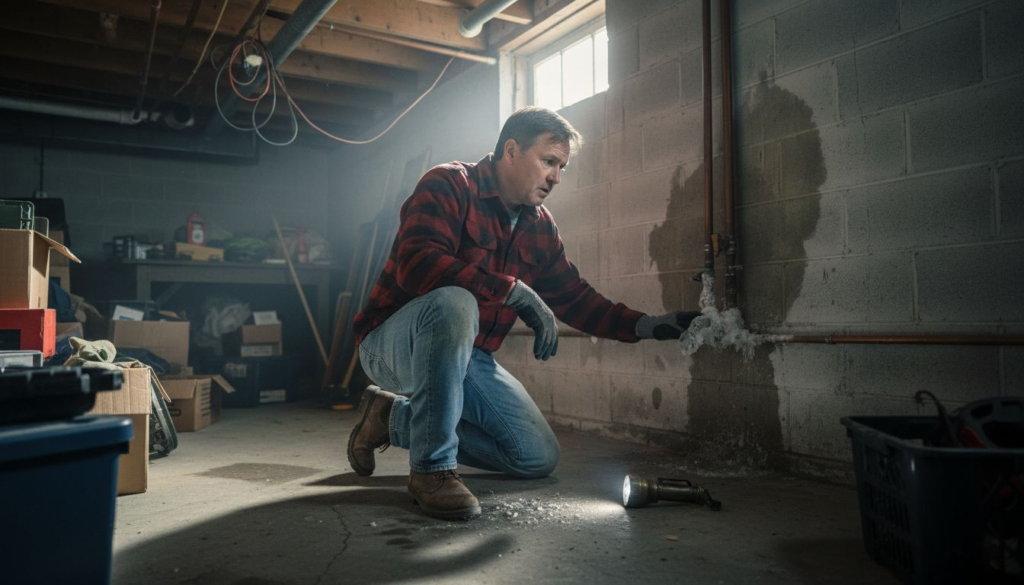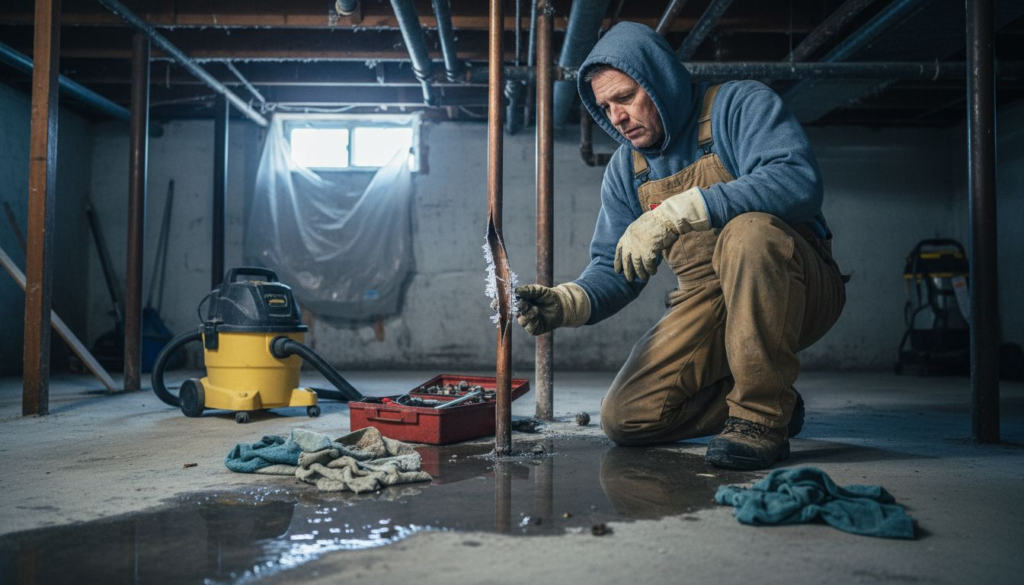
Plumbing issues can turn a regular day in Belleville, Illinois into a budgeting headache when you have no idea what repairs will cost. Without a clear estimate, surprise expenses and hidden fees can make the situation stressful, especially if your home needs urgent attention. Getting a detailed plumbing estimate gives you control, breaking down costs so you can compare options, avoid surprises, and plan confidently for repairs, upgrades, or new installations.
Table of Contents
- Definition And Purpose Of Plumbing Estimates
- Types Of Plumbing Estimates For Homeowners
- How Plumbers Calculate Accurate Estimates
- Comparing Estimates For Services And Repairs
- Understanding Typical Costs And Pricing Factors
- Avoiding Mistakes And Preventing Hidden Fees
Key Takeaways
| Point | Details |
|---|---|
| Importance of Plumbing Estimates | Plumbing estimates provide a detailed breakdown of costs, helping homeowners avoid unexpected expenses and make informed decisions. |
| Types of Estimates | Homeowners can receive different types of estimates ranging from rough verbal quotes to detailed written documents, each serving a specific purpose in the planning process. |
| Cost Factors | Various factors such as labor rates, material choices, and geographical location significantly influence plumbing costs, making it critical to understand their impact. |
| Avoiding Hidden Fees | Clear communication regarding what is included in an estimate, along with specific inquiries, can help prevent surprises and ensure accurate budgeting for plumbing projects. |
Definition and Purpose of Plumbing Estimates
A plumbing estimate is a detailed breakdown of what a plumbing project will cost, provided by a licensed plumber before work begins. It includes labor costs, materials, equipment, and any additional fees specific to your repair or installation. Think of it as your roadmap before construction starts, showing you exactly what you’re paying for and why. The estimate translates the scope of your plumbing problem into concrete dollar amounts, allowing you to make informed decisions about whether to proceed, shop around with other contractors, or adjust the project scope to fit your budget.
The primary purpose of getting a plumbing estimate is to establish a clear financial expectation before any work happens. This protects both you and the plumber. You avoid surprise invoices that exceed your budget, and the plumber avoids misunderstandings about what’s included in the quoted price. Building plumbing involves complex water distribution systems where proper planning ensures safe and efficient installations, making estimates essential for understanding scope, materials, labor, and regulatory compliance requirements upfront. When you’re facing a clogged toilet, a frozen pipe, hot water tank service, or any plumbing issue in Belleville, an estimate gives you the confidence to move forward or seek alternative solutions.
Estimates serve another critical function: they help you evaluate different contractors. By collecting estimates from multiple plumbers, you can compare pricing, the level of detail provided, and the professionalism of each bid. A thorough estimate tells you which contractor understands your specific situation and how they plan to solve it. Some estimates might be lower because the plumber found a simpler solution; others might be higher because they’re recommending premium materials or additional safety measures. This comparison process is where your budget intelligence begins, allowing you to make choices based on value rather than just the lowest price.
Pro tip: Request estimates from at least two or three licensed plumbers in the Belleville area so you can compare pricing and services side by side, ensuring you understand what makes one estimate different from another before making your decision.
Types of Plumbing Estimates for Homeowners
Not all plumbing estimates look the same. As your project develops from initial planning to actual construction, the estimates you receive become more detailed and accurate. Understanding the different types helps you know what to expect at each stage and why one estimate might look very different from another. The plumbing estimate types range from rough preliminary numbers used for budget setting to detailed construction documents estimates that account for every material and labor hour.
The most common estimate type you’ll encounter as a Belleville homeowner is the quick verbal or rough estimate. This happens when a plumber visits your home, assesses the problem (like a frozen pipe or clogged toilet), and gives you a ballpark figure. It’s informal and approximate, helpful for deciding whether to move forward with a full estimate but not detailed enough for budgeting with confidence. Next comes the detailed written estimate, which breaks down labor costs, materials, equipment rental, travel fees, and any permits required. This is what you want before authorizing any work. Then there’s the repair estimate versus replacement estimate. A repair estimate covers fixing what’s broken, while a replacement estimate assumes you’re removing old systems entirely and installing new ones. Replacement estimates are typically higher but may save money long-term if your plumbing is aging.
Another distinction involves scope complexity. Estimates for simple repairs like fixing a leaky faucet look nothing like estimates for a full hot water tank replacement or major remodeling work. Plumbing work estimates are typically categorized by service type, including new installations, repairs, and remodeling projects, with each carrying different scopes and cost factors. When you request estimates for a clogged toilet repair versus a bathroom renovation, expect dramatically different levels of detail. The renovation estimate should include preliminary sketches, material specifications, timeline projections, and phasing information. Finally, some estimates include contingency buffers, meaning the plumber adds 10 to 20 percent extra to account for unexpected discoveries once work begins. This is common in older homes where hidden problems often appear once walls come open.
Pro tip: When comparing estimates, pay attention to what’s included in each one; a lower price might exclude certain costs like permits or cleanup, so ensure you’re comparing identical scopes of work across all bids.
Here’s a quick comparison of common plumbing estimate types and what they reveal to homeowners:
| Estimate Type | Level of Detail | When Used | Decision Support |
|---|---|---|---|
| Verbal/Rough | Minimal breakdown | Initial assessment | Decide if further estimates needed |
| Written/Detailed | All costs itemized | Before authorizing work | Confirms budget and project scope |
| Repair vs Replacement | Specific to situation | Aging/complex systems | Evaluate long-term vs short-term cost |
| Contingency-Inclusive | Includes risk buffer | Older or uncertain plumbing | Prepare for unexpected expenses |
How Plumbers Calculate Accurate Estimates
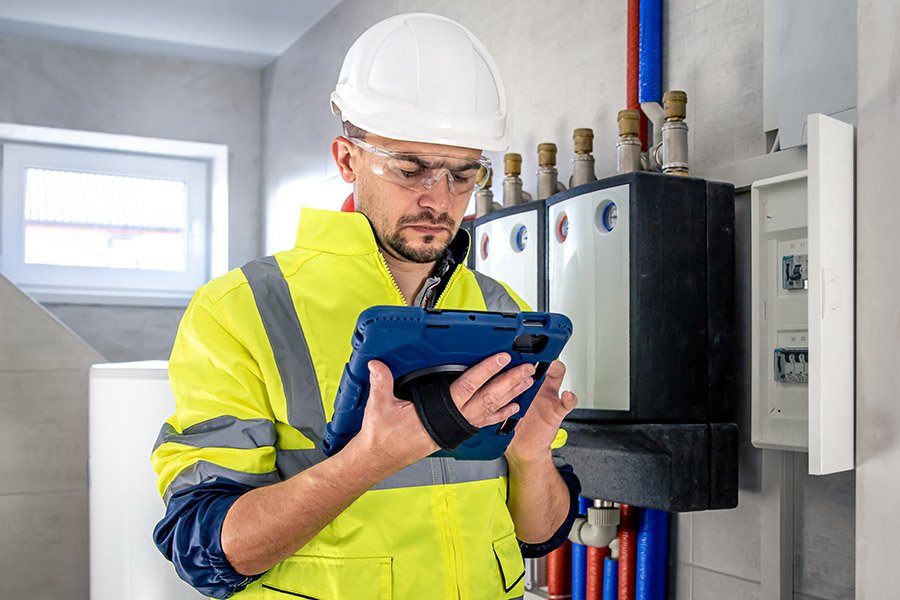
When a plumber arrives at your Belleville home to assess a frozen pipe, hot water tank issue, or toilet repair, they’re not just eyeballing the problem and throwing out a random number. Professional plumbers follow a methodical process to arrive at accurate estimates. They start by thoroughly inspecting the work area, identifying all components involved, and understanding exactly what needs to happen. Systematic estimation processes involve thorough information gathering, using consistent methods, and qualifying estimates with associated risks so homeowners get reliable budget projections.
The calculation itself breaks down into several distinct cost categories. First, the plumber identifies all materials needed for the job, from pipes and fittings to valves, sealants, and fixtures. They check current pricing from suppliers to ensure accuracy rather than using outdated rate sheets. Next comes labor costs, which involve estimating how many hours the work will take based on the plumber’s experience with similar projects. A toilet repair might take two hours, while a hot water tank replacement could require a full day or more. Then they add equipment costs, including rental fees for specialized tools or diagnostic equipment. Travel time to your location and any required permits round out the calculation. Professional plumbers use location-specific factors, construction drawings, and historical cost data to ensure their estimates reflect local market conditions and real-world requirements for your specific project.
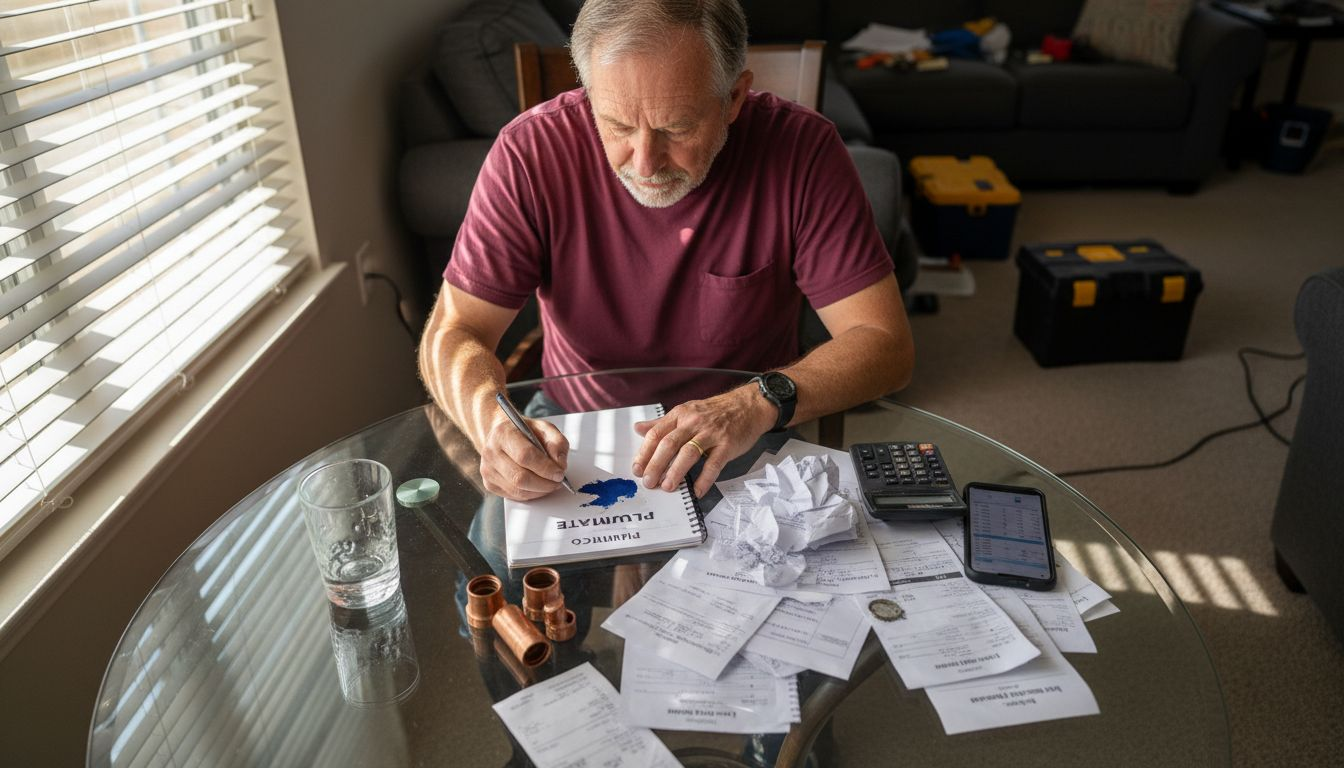
Experienced plumbers also build in overhead and contingency. Overhead covers the plumber’s business expenses like insurance, vehicle maintenance, and licensing. Contingency is that 10 to 20 percent buffer we mentioned earlier, protecting both parties when unexpected issues surface. A plumber tearing into a wall to access old plumbing might discover corroded sections requiring additional work. By explaining how they arrived at these numbers, a reputable plumber demonstrates transparency and helps you understand exactly what you’re paying for. When you compare estimates, you’ll see that detailed breakdowns reveal which plumbers are thorough and which are just guessing.
Pro tip: Ask your plumber to walk you through their estimate line by line, explaining labor hours, material costs, and any contingency amounts so you understand the math behind the final number.
Comparing Estimates for Services and Repairs
You’ve called three plumbers in Belleville and received three different estimates for your hot water tank replacement or frozen pipe repair. Now what? Comparing estimates means looking beyond the bottom line number and understanding what each plumber is actually offering. This is where many homeowners stumble, assuming the lowest price always wins. Stop. The goal is to evaluate which estimate represents the best value for your specific situation, not just who quoted the cheapest price.
Start by ensuring you’re comparing apples to apples. Each estimate should address the same scope of work. If one plumber quoted replacing your toilet and the other quoted replacing the toilet plus repairing the water line leading to it, those aren’t comparable. Unit price cost estimating breaks down materials, labor, and other activities into itemized costs, allowing you to assess different bids and validate pricing consistency across proposals. When you see one estimate that separates labor costs from material costs while another lumps everything together, ask for clarification. A detailed estimate shows confidence and transparency. Look at what’s included: Does the estimate cover hauling away old materials? Permits? Travel time? Cleanup? One plumber might quote 500 dollars for a repair, but that doesn’t include the 75 dollar permit another plumber included in their 575 dollar bid. That second plumber actually quoted lower when you account for the complete scope.
Next, examine the labor hours and rates. If one plumber estimates 4 hours and another estimates 8 hours for the same job, ask why. Experience matters here. A licensed plumber who has done hundreds of hot water tank installations might work faster than someone newer to the field, but both should arrive at similar time estimates for standard work. Compare the hourly rates too. Belleville plumbers typically charge between 85 and 150 dollars per hour depending on experience and credentials. Rates on the lower end might reflect less experience, while higher rates reflect expertise and established reputation. Don’t automatically choose the cheapest rate. Comparing multiple estimates involves reviewing scope definitions, quantities, and labor costs so you can evaluate bids on an equal basis and make informed decisions about service providers.
Finally, consider the intangibles. Did the plumber explain their estimate clearly? Did they answer your questions patiently? Did they seem to understand your home’s specific situation? A plumber who takes time to explain estimates often provides better service during the actual work. Trust your gut. The estimate that makes you feel most confident about the plumber’s competence and professionalism often proves to be the best choice, even if it’s not the absolute lowest price.
Pro tip: Create a simple spreadsheet listing each plumber’s labor cost, materials cost, permits, and any other line items, then total them side by side to see the true cost difference and what each price includes.
Understanding Typical Costs and Pricing Factors
Plumbing costs in Belleville vary wildly depending on what you need fixed. A simple toilet repair might run 150 to 300 dollars, while a complete hot water tank replacement could cost 1,200 to 2,500 dollars. Understanding what drives these price differences helps you evaluate whether an estimate is reasonable or inflated. The primary cost drivers include the complexity of the work, the materials required, your location, and whether you need emergency service or can schedule it during regular business hours.
Labor costs form the largest portion of most plumbing estimates. A licensed plumber’s hourly rate reflects their training, credentials, insurance, and overhead expenses. Belleville plumbers typically charge between 85 and 150 dollars per hour, with rates varying based on experience level and complexity of the job. Emergency service calls outside normal business hours often carry surcharges of 50 to 100 percent, which explains why that midnight frozen pipe call costs significantly more than the same repair scheduled for Tuesday morning. Material costs depend entirely on what you’re installing or replacing. Basic PVC piping costs far less than copper or specialized plumbing materials. Water-efficient fixtures command higher prices than standard models. A standard toilet might cost 100 to 200 dollars, while a high-efficiency model runs 300 to 500 dollars. Pricing factors in plumbing include labor rates, material costs, regional economic conditions, and demand fluctuations, all of which influence what you’ll pay for your specific repair or installation.
Geographic location matters more than many homeowners realize. Belleville, Illinois pricing reflects local market conditions, supply chain efficiency, and the number of plumbers competing in your area. Urban areas typically cost more than rural regions. Plumbing costs depend on scope of work, labor intensity, materials used, emergency service needs, and geographic location, plus labor shortages and material cost increases in your region. Winter months bring higher prices for frozen pipe repairs due to increased demand. If multiple water main breaks occur in your area, material costs can spike temporarily. Permits and inspections add 50 to 150 dollars depending on your municipality and project type. Some plumbers include these in their estimate, while others list them separately. Don’t be surprised if your estimate includes regulatory compliance costs; these exist to protect your home’s safety and water quality.
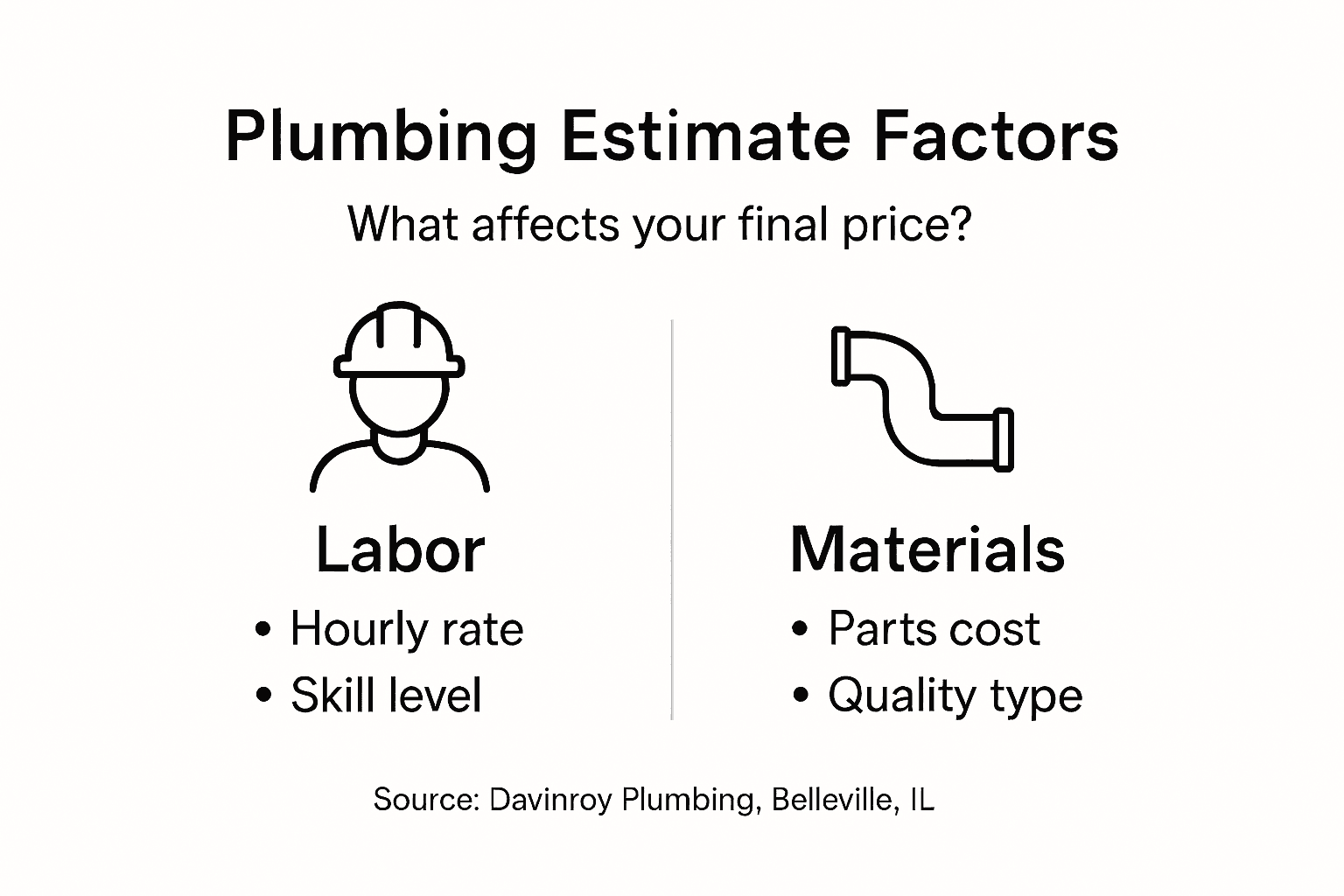
One often overlooked factor is the plumber’s business model. A solo operator running from home has lower overhead than a large company with multiple trucks and office staff, which sometimes translates to lower prices but might mean less availability during emergencies. Established companies with strong reputations typically charge more because they’ve built trust and can maintain consistent quality. The cheapest estimate isn’t always the best value, just as the most expensive doesn’t guarantee superior work.
Pro tip: When reviewing estimates, note the date on each one since material prices and labor rates can shift monthly; get all estimates within a short timeframe to ensure accurate price comparisons.
The table below summarizes key factors that influence plumbing costs and why they matter:
| Cost Factor | Impact on Estimate | Why It Matters |
|---|---|---|
| Labor Rates | Largest cost segment | Reflects experience and expertise |
| Materials | Price varies by selection | Affects durability and aesthetics |
| Geographic Area | Market-driven adjustments | Prices differ by region and demand |
| Emergency Fees | Can double base cost | Urgent calls increase overall expense |
| Permits/Compliance | Adds $50-$150+ | Ensures legal, safe installation |
Avoiding Mistakes and Preventing Hidden Fees
Hidden fees blindside homeowners. You approve an estimate for 800 dollars to repair a frozen pipe, the plumber shows up, and suddenly there’s a 200 dollar diagnostic fee, a 150 dollar after-hours charge, and a 100 dollar disposal fee that weren’t mentioned. Now you’re paying 1,250 dollars instead. This happens because estimates lack clarity about what’s included and what isn’t. The good news? You can prevent this with the right approach. Clear communication of estimate assumptions and methodology reduces surprises and prevents hidden fees during the project lifecycle by ensuring both parties understand what’s covered upfront.
Before you sign anything, ask your plumber specific questions about what the estimate includes and excludes. Does it cover the service call charge? Travel time? Hauling away old materials? Permits and inspections? Emergency surcharges if work extends past normal hours? A thorough plumber will have answers ready. If they seem vague or defensive when you ask, that’s a red flag. Get everything in writing, not just a verbal quote. Written estimates protect you by creating a documented agreement. When comparing estimates, watch for missing line items. If one estimate is significantly lower than others, ask why. Is the plumber using cheaper materials? Estimating fewer labor hours? Excluding parts of the job? Sometimes lower estimates reflect efficiency, but sometimes they reflect incomplete scope.
Another common trap involves change orders and unforeseen work. Your plumber opens up your wall to access the frozen pipe and discovers corroded sections requiring replacement. That’s legitimate additional work, but how does the estimate handle it? A reputable plumber will get your approval before proceeding with work outside the original scope. They’ll explain the discovery, quote an additional amount, and wait for your decision. Don’t let a plumber proceed with unapproved extras. Clear classification of estimate quality and methodology helps avoid misapplication and unforeseen costs, ensuring realistic expectations during service budgeting and contract negotiation. Request that your estimate includes a maximum hourly rate for any unexpected discoveries so you know the ceiling on additional charges.
Also watch for vague language. Phrases like “and other items as needed” or “possible additional work” leave the door open for surprises. A quality estimate uses specific language: “Replace 40 feet of frozen copper piping with new PVC piping” rather than “Repair frozen pipes.” Specific language eliminates confusion. Before work begins, confirm the estimate scope in writing and ask the plumber to sign off. Get a timeline for completion. Ask about their payment terms. Do they require a deposit? What happens if work takes longer than estimated? These conversations feel awkward but save you money and stress later.
Pro tip: Request a detailed written estimate that lists each service, material, labor hour estimate, and any exclusions separately, then ask the plumber to initial next to items you want to ensure are covered before they begin work.
Take Control of Your Plumbing Budget with Davinroy Plumbing
Understanding plumbing estimates is crucial to avoiding hidden fees and unexpected costs when dealing with repairs like frozen pipes, toilet fixes, or hot water tank service. If you want a clear, detailed, and trustworthy breakdown before any work begins Davinroy Plumbing in Belleville, Illinois is ready to provide precise estimates that help you plan your budget with confidence. Our licensed plumbers explain every cost including labor, materials, and permits so you know exactly what you are paying for.

Don’t let vague quotes leave you stressed and uncertain. Contact Davinroy Plumbing today to get your detailed, transparent estimate and avoid surprises. Whether you need toilet repair or reliable frozen pipe repair, our professional team ensures you get honest advice and the best value. Act now to secure your estimate and take the first step toward smart budgeting for your plumbing needs.
Frequently Asked Questions
What is a plumbing estimate?
A plumbing estimate is a detailed breakdown of the costs involved in a plumbing project, provided by a licensed plumber before work begins. It includes labor, materials, equipment, and other fees, allowing you to understand the financial expectations before proceeding with a project.
Why do I need multiple plumbing estimates?
Collecting multiple plumbing estimates helps you compare pricing, details, and the level of professionalism from different contractors. It ensures you’re making an informed decision based on value rather than just the lowest price, and it can reveal which plumber understands your specific situation best.
What types of plumbing estimates should I expect?
Common plumbing estimates include verbal or rough estimates for initial assessments, written detailed estimates that itemize costs, and repair versus replacement estimates. The level of detail and accuracy increases as the project develops, each serving its purpose in budget setting and decision making.
How do plumbers calculate their estimates?
Plumbers calculate estimates by inspecting the work area, identifying needed materials and labor hours, evaluating equipment costs, and considering any required permits. They may also factor in overhead and contingency costs to provide a reliable budget projection for the proposed work.