Leaky toilets and frozen pipes are more than minor inconveniences for many American homeowners in Belleville, Illinois. These problems can quickly spiral into bigger repair costs and health risks if ignored. With over 30 percent of older Illinois homes using outdated plumbing materials, knowing how your home’s plumbing system works makes a real difference. This guide helps you understand the key parts of American plumbing, solve common issues, and find trustworthy local solutions that protect your family and home.
Table of Contents
- Defining Plumbing Systems And Basics
- Types Of Home Plumbing And Fixtures
- How Household Plumbing Actually Works
- Common Plumbing Problems In Illinois Homes
- Why Licensed Plumbers Are Essential
Key Takeaways
| Point | Details |
|---|---|
| Understanding Plumbing Systems | Plumbing consists of a water supply system and a drainage system crucial for clean water delivery and wastewater removal. Proper maintenance is essential to ensure efficiency and prevent major issues. |
| Common Plumbing Issues in Illinois | Homeowners face unique challenges including frozen pipes and hard water corrosion due to the region’s climate. Regular inspections can help identify and mitigate these problems. |
| Importance of Professional Plumbers | Licensed plumbers possess the training and expertise to handle complex plumbing systems, ensuring compliance with local regulations and reducing the risk of costly mistakes. It is vital to verify their license status before hiring. |
| Proactive Maintenance Strategies | Homeowners should regularly inspect plumbing fixtures and systems for signs of wear and schedule professional check-ups to prevent expensive repairs down the line. |
Defining Plumbing Systems and Basics
Plumbing is a critical infrastructure system that transports water and manages waste in residential and commercial buildings. Modern plumbing systems involve complex networks of pipes, valves, fixtures, and tanks designed to deliver potable water and safely remove wastewater. These intricate systems are fundamental to maintaining public health, hygiene, and overall community well-being in Belleville, Illinois.
At its core, a plumbing system consists of two primary subsystems: the water supply system and the drainage system. The water supply system brings clean, pressurized water into your home through a network of pipes, enabling everything from drinking water to shower and laundry functions. Conversely, the drainage system removes wastewater, directing it away from your property through carefully designed pipes that prevent contamination and potential health risks.
The components of a typical residential plumbing system include pipes made from materials like copper, PVC, or cross-linked polyethylene, various types of valves that control water flow, fixtures such as sinks and toilets, and critical elements like water heaters and pressure regulators. Proper plumbing installation and maintenance are essential to ensure water reaches users efficiently while preventing leaks, contamination, and potential structural damage to your home.
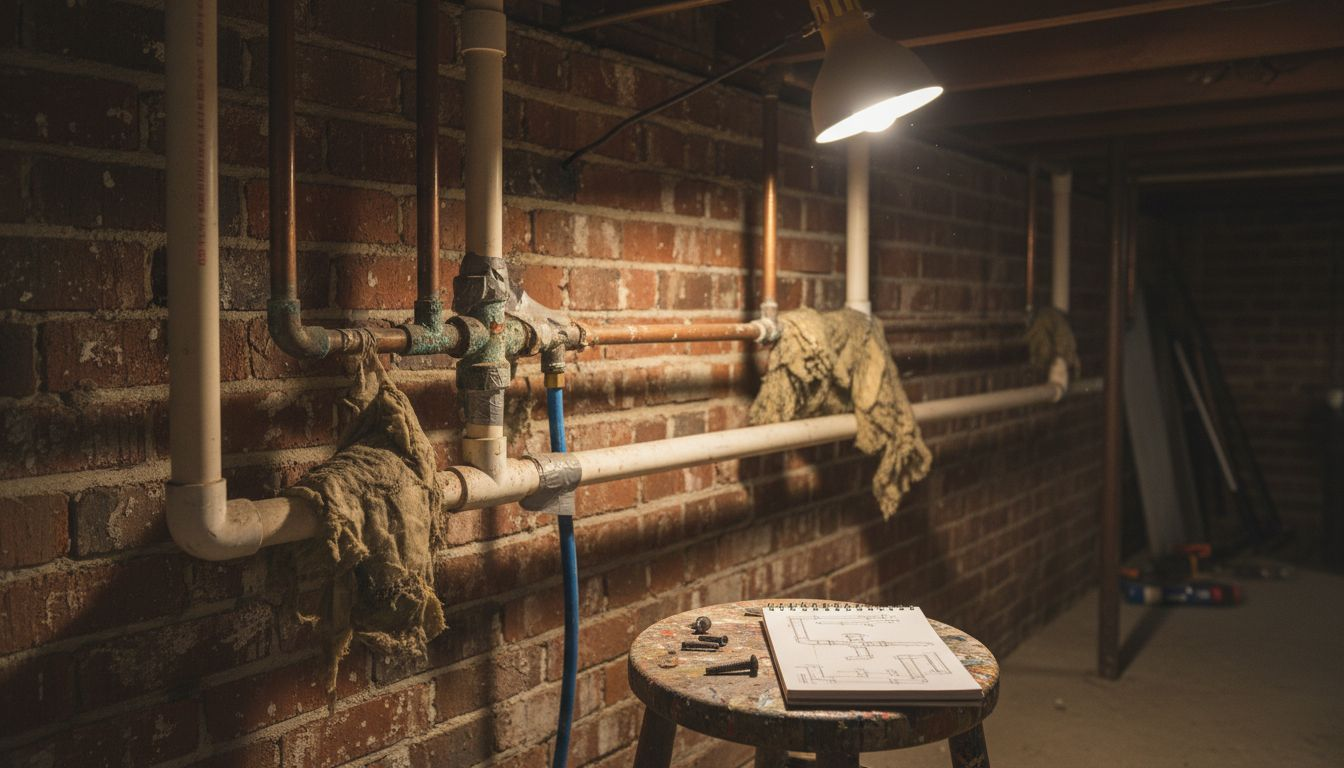
Here’s a comparison of typical plumbing materials and their advantages:
| Material | Durability | Common Applications |
|---|---|---|
| Copper | Highly resistant to corrosion | Water supply pipes |
| PVC | Lightweight, no rust | Drainage and vent systems |
| Cross-linked Polyethylene (PEX) | Flexible, withstands temperature changes | Hot/cold water distribution |
| Galvanized Steel | Prone to rust, outdated | Older homes (pre-1980) |
Pro tip: Regularly inspect your home’s plumbing system for signs of wear, such as small leaks or unusual water pressure changes, which can help you catch potential issues before they become expensive repairs.
Types of Home Plumbing and Fixtures
Home plumbing systems are comprised of multiple specialized components designed to ensure efficient water distribution and waste management. Residential plumbing systems typically include two primary subsystems: potable water supply and wastewater drainage. These interconnected networks work together to provide clean water for daily activities while safely removing used water and waste from your home.
The most common home plumbing fixtures play crucial roles in water delivery and waste removal. Plumbing fixtures include essential items such as sinks, toilets, showers, bathtubs, and faucets, each constructed from durable materials like porcelain, stainless steel, brass, and high-grade plastics. Kitchen sinks, bathroom vanities, shower systems, and utility room fixtures represent different specialized zones within a home’s water management infrastructure, each designed to meet specific functional requirements.
Beyond standard residential fixtures, home plumbing systems can incorporate specialized components like water heaters, pressure regulators, and filtration systems. These additional elements help maintain water quality, control temperature, and ensure consistent water pressure throughout the home. Understanding the purpose and function of each plumbing fixture can help homeowners make informed decisions about maintenance, repairs, and potential upgrades to their existing water systems.
Pro tip: Periodically inspect your home’s plumbing fixtures for signs of wear, mineral buildup, or subtle leaks, which can help prevent more significant problems and extend the overall lifespan of your plumbing system.
How Household Plumbing Actually Works
Premise plumbing systems are sophisticated networks that ensure clean water delivery and efficient wastewater removal in residential settings. These systems operate through two primary mechanisms: a pressurized water supply network that pushes potable water to various fixtures, and a gravity-driven drainage system that safely removes used water and waste from your home. The intricate design allows water to flow precisely where it is needed while preventing potential contamination and maintaining optimal system performance.
The water supply system begins at the main water meter, where pressurized water enters your home through a network of pipes. Shutoff valves strategically placed throughout the system allow homeowners to control water flow to specific areas, enabling quick responses during emergencies or maintenance. Residential plumbing maintenance involves understanding these critical components, including traps that prevent sewer gases from entering living spaces and vent pipes that maintain proper air pressure within drain lines.
Each plumbing fixture connects to this complex system through specialized pipes and connections. Sinks, toilets, showers, and appliances are engineered to work seamlessly with the home’s water supply and drainage infrastructure. The system must balance multiple technical requirements, including maintaining consistent water pressure, ensuring proper drainage angles, and preventing potential backflow or contamination. Modern plumbing design incorporates sophisticated engineering principles to create reliable, safe, and efficient water management networks.
Pro tip: Learn the location of your home’s main water shutoff valve and keep a wrench nearby, so you can quickly stop water flow in case of unexpected pipe ruptures or major leaks.
Common Plumbing Problems in Illinois Homes
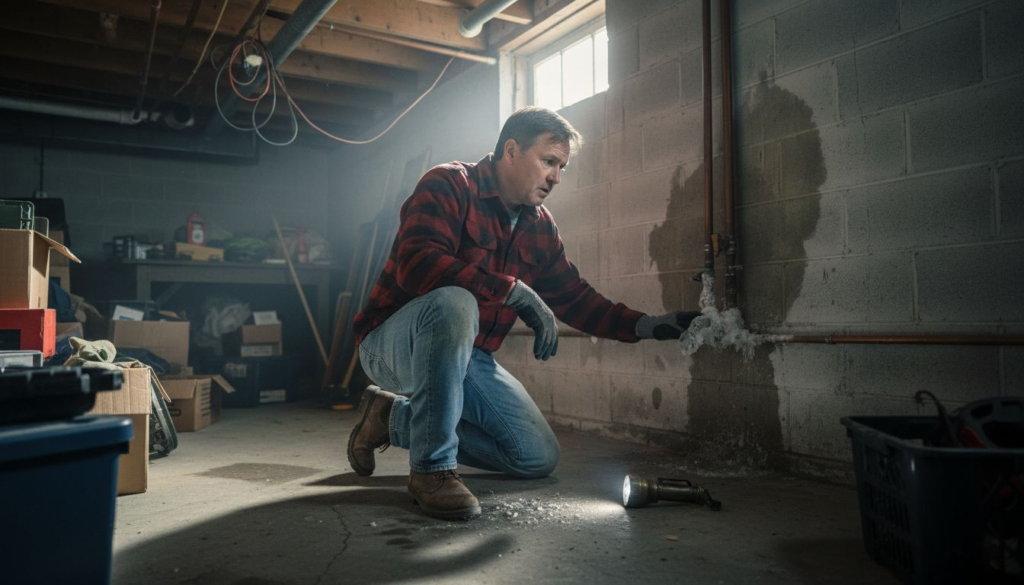
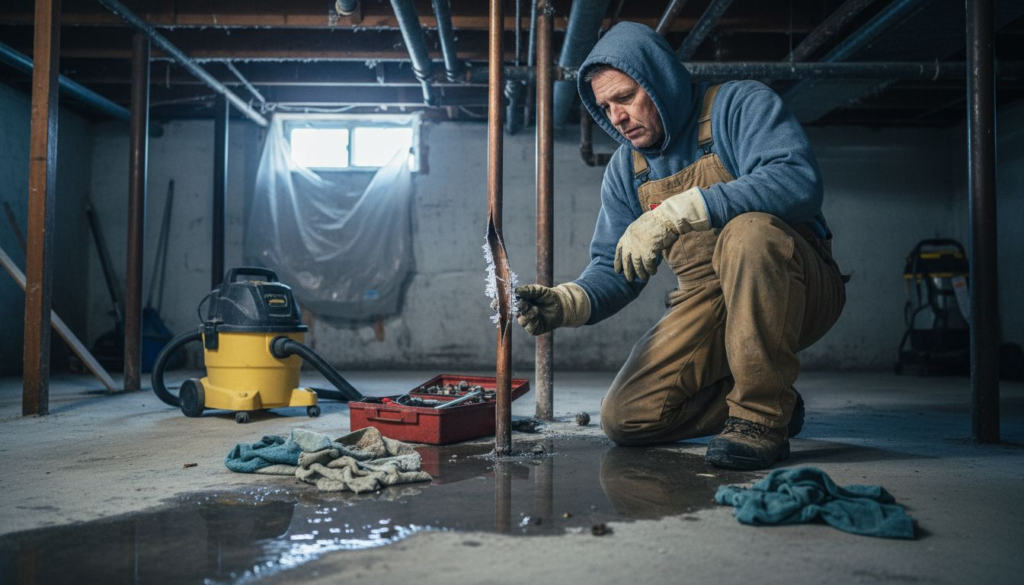
Homeowners in Illinois face unique plumbing challenges driven by the region’s extreme temperature variations and aging infrastructure. Illinois plumbing regulations emphasize the critical importance of professional maintenance to prevent potential health risks and system failures. Frozen pipes during harsh winters, hard water issues, and older home plumbing systems present recurring challenges that require specialized understanding and proactive maintenance.
The most prevalent plumbing problems in Belleville and surrounding Illinois areas include pipe freezing, sewer line blockages, and water pressure inconsistencies. Midwest climate conditions contribute to rapid pipe deterioration, with temperature fluctuations causing significant stress on residential plumbing infrastructure. Clay soil prevalent in Illinois can also lead to underground pipe shifting, creating potential leak points and drainage complications that require professional assessment and repair.
Specific regional concerns for Illinois homeowners include corrosion from hard water, root intrusion in older sewer lines, and potential contamination risks from outdated plumbing systems. Homes built before 1980 often have galvanized steel pipes that are prone to rust and reduced water flow, creating potential health and performance issues. Understanding these localized challenges helps homeowners identify early warning signs and take preventative measures to protect their home’s plumbing infrastructure.
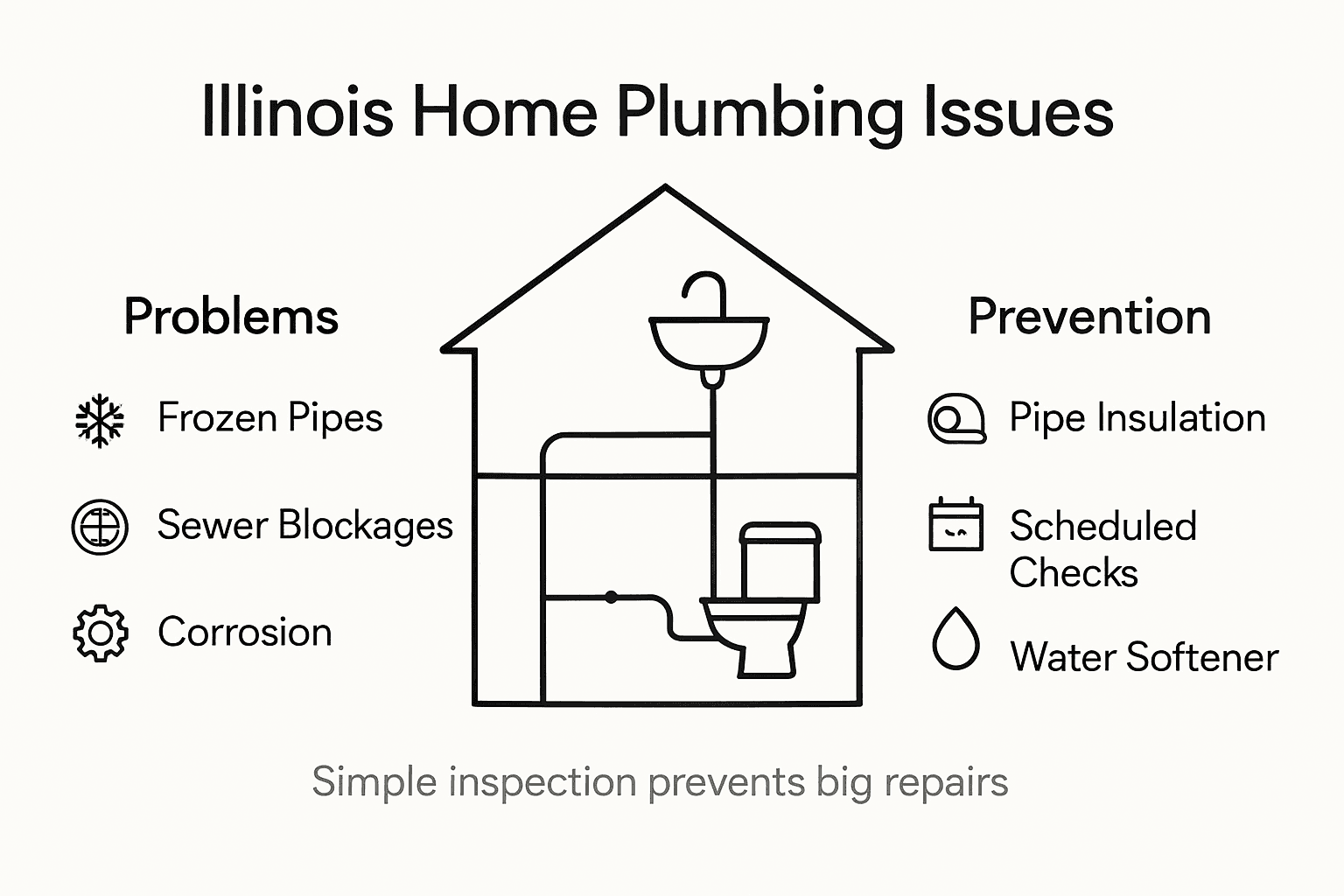
The table below summarizes plumbing issues common in Illinois and their preventive strategies:
| Problem | Typical Cause | Prevention Method |
|---|---|---|
| Frozen pipes | Low winter temperatures | Insulate pipes, seal gaps |
| Sewer blockages | Tree roots, pipe shifting | Regular inspections |
| Hard water corrosion | Mineral-heavy water supply | Install water softener |
| Low pressure | Corroded or leaking pipes | Replace aged infrastructure |
Pro tip: Schedule a professional plumbing inspection before winter to identify potential weak points in your home’s pipes and prevent costly freeze-related damage.
Why Licensed Plumbers Are Essential
Professional plumbing credentials represent far more than a simple piece of paper. They signify comprehensive training, rigorous skill verification, and a commitment to maintaining the highest standards of technical expertise and safety in residential and commercial plumbing services. Licensed plumbers undergo extensive education and testing to understand complex water systems, building codes, and technical repair techniques that protect homeowners from potential disasters.
In Belleville and surrounding Illinois areas, licensed plumbers provide critical safeguards against potential water system failures. Their professional training allows them to diagnose intricate problems that unlicensed workers might overlook, preventing expensive structural damage and potential health hazards. These professionals understand local building regulations, can navigate complex permit requirements, and ensure that all plumbing work meets stringent state and municipal standards, protecting homeowners from potential legal and financial complications.
Beyond technical expertise, licensed plumbers offer comprehensive protection through professional liability insurance and verifiable credentials. Their work typically comes with warranties, ensuring that any potential issues resulting from repairs or installations will be addressed promptly and professionally. By investing in a licensed professional, homeowners gain access to specialized knowledge about water system maintenance, energy efficiency, and long-term infrastructure preservation that goes far beyond simple repair work.
Pro tip: Always verify a plumber’s current license status and ask to see their professional credentials before allowing them to perform any significant plumbing work in your home.
Protect Your Belleville Home With Expert Plumbing Solutions
Understanding your home’s plumbing system is the first step to preventing costly repairs from issues like frozen pipes, low water pressure, or outdated materials. If you have noticed signs of leaks, unusual water pressure, or aging fixtures discussed in the article, these are warnings you should never ignore. Davinroy Plumbing offers trusted services right here in Belleville, Illinois, including frozen pipe repair, toilet repair, and hot water tank service to keep your system running smoothly all year.

Don’t wait until a small problem becomes a major emergency. Visit Davinroy Plumbing to schedule your inspection and repairs with licensed professionals who understand local challenges and code requirements. Learn more about our toilet repair services or get help with frozen pipe repair today to protect your home’s plumbing system from damage and costly water loss.
Frequently Asked Questions
What are the main components of a plumbing system?
A plumbing system typically consists of a water supply system that delivers clean water and a drainage system that removes wastewater. Components include pipes, valves, fixtures like sinks and toilets, water heaters, and pressure regulators.
How does a household plumbing system work?
Household plumbing systems operate through a pressurized water supply network that delivers potable water to fixtures and a gravity-driven drainage system that safely removes used water and waste from the home, preventing contamination and ensuring efficient functioning.
What are common plumbing problems homeowners face?
Common plumbing problems include frozen pipes, sewer line blockages, low water pressure, and corrosion from hard water. These issues can arise due to environmental factors and aging infrastructure, necessitating regular inspections and maintenance.
Why is hiring a licensed plumber important?
Hiring a licensed plumber ensures that the work complies with local building codes and safety standards. Licensed plumbers have the training to diagnose complex problems, preventing costly damage and health hazards while providing warranties and insurance protection.
Recommended
- Plumbing Pros in Belleville, IL: Your Go-To Guide – Davinroy Plumbing and Mechanical
- Belleville’s Emergency Plumbing Heroes: A Quick Guide – Davinroy Plumbing and Mechanical
- Don’t Get Soaked: Best Water Leak Detectors Reviewed – Davinroy Plumbing and Mechanical
- Plumbing Tips – Davinroy Plumbing and Mechanical