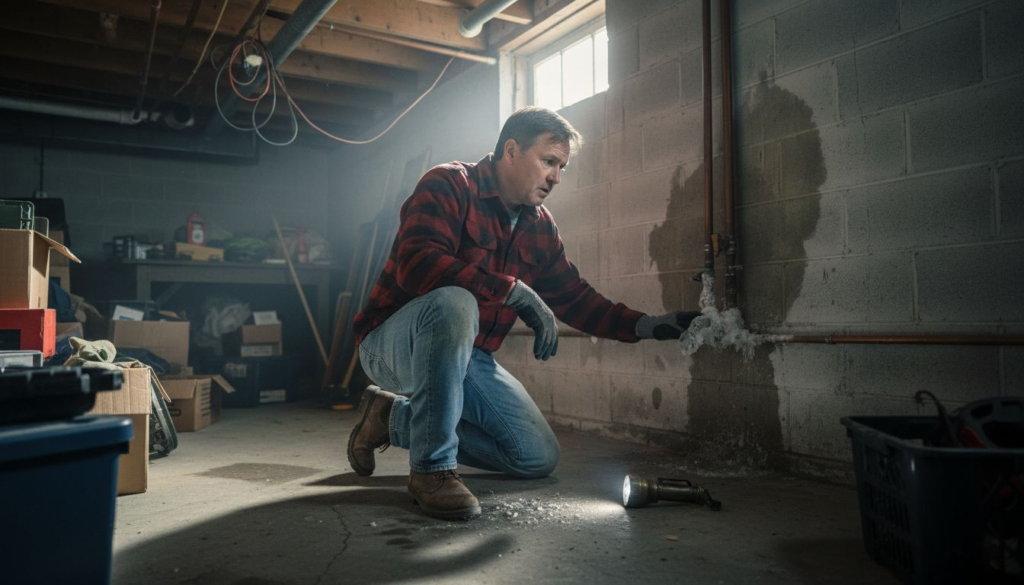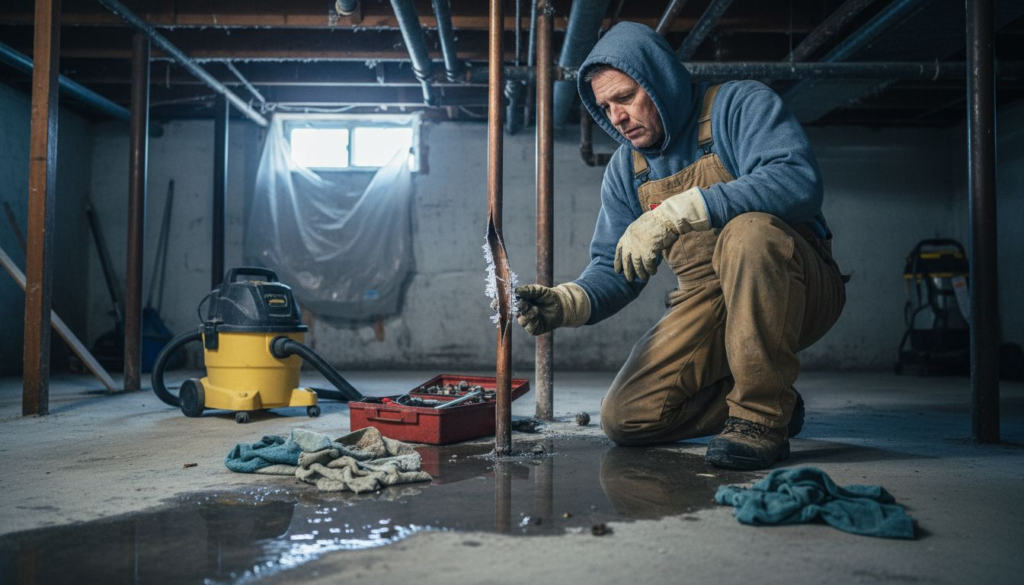
When water starts pouring through your ceiling or a stubborn drain threatens to flood your Belleville home, waiting is not an option. Reliable plumbing protects your family’s health, prevents property damage, and keeps your home running smoothly. With so many misconceptions about what plumbers do, Belleville homeowners need clear facts and confident guidance to choose the right professional for urgent repairs and routine maintenance. This guide reveals the broad scope of plumbing expertise, technical proficiency in diagnosing and solving complex issues, and the skilled services available for every home.
Table of Contents
- What Plumbers Do and Common Misconceptions
- Types of Plumbing Services for Homeowners
- How Plumbers Safeguard Health and Property
- Training, Licensing, and Local Regulations
- Costs, Risks, and Choosing a Plumber Wisely
Key Takeaways
| Point | Details |
|---|---|
| Comprehensive Responsibilities | Plumbers manage various tasks beyond repairs, including installations, inspections, and compliance with safety codes. Their work is essential for maintaining functional water, gas, and sewage systems. |
| Misconceptions About Skill Level | Plumbing is a skilled profession requiring extensive training and licensing, contrary to the belief that it is unskilled labor. Understanding complex systems and adhering to safety protocols is crucial. |
| Professionalism in Service | Quality plumbers respect your home and provide transparent communication regarding repairs. They arrive on time, maintain cleanliness, and offer warranties for their work. |
| Importance of Preventative Maintenance | Regular maintenance can prevent major plumbing issues and save homeowners from costly emergency repairs. Scheduling inspections annually is advisable to catch potential problems early. |
What Plumbers Do and Common Misconceptions
When most people think about plumbers, they picture someone fixing a leaky faucet or unclogging a drain. That’s part of the job, sure, but it’s like saying a doctor only takes temperatures. The reality is that plumbers handle an incredibly broad range of responsibilities that keep your home’s water, gas, and sewage systems functioning safely and efficiently. In Belleville, where homes range from older Victorian-era properties to newer developments, plumbers must understand everything from vintage galvanized pipes to modern PEX tubing. They install water heaters, diagnose complex system failures, run gas lines, repair burst pipes, maintain septic systems, and handle emergency situations when water is pouring through your ceiling at 2 AM. Beyond repairs, plumbers also inspect systems, plan renovations, calculate water pressure requirements, follow building codes, and ensure your home meets all local safety regulations. This is skilled work that requires extensive training, proper licensing, and years of hands-on experience.
One of the biggest misconceptions is that plumbing is unskilled labor or that anyone handy can do it. The truth couldn’t be more different. Technical proficiency in plumbing work involves understanding hydraulics, following complex blueprints, maintaining strict safety protocols, and diagnosing problems that aren’t always obvious. A plumber might need to identify why your water pressure is dropping by analyzing pipe sizing, water main conditions, regulator settings, and demand from multiple fixtures simultaneously. They need to know how different materials interact, which fittings work with which pipes, how to solder copper correctly, how to use diagnostic equipment, and how to troubleshoot problems that would puzzle most homeowners. In Belleville’s older neighborhoods especially, plumbers often encounter unexpected complications like mineral buildup in ancient pipes, outdated systems mixed with modern updates, or structural challenges that require creative problem-solving. The licensing required in Illinois reflects this complexity, demanding thousands of hours of apprenticeship under experienced professionals before someone can legally work independently.
Another common misconception is that plumbers are unprofessional or that they’ll leave your home in disarray. Quality plumbers like those at Davinroy Plumbing treat your home with respect, showing up on time, protecting your floors with drop cloths, cleaning up after themselves, and explaining what they’re doing so you understand the work. They’re trained not just in technical skills but in customer service and professionalism. They wear uniforms, carry proper identification, provide written estimates, and stand behind their work with warranties. When you’re dealing with a licensed professional with proper credentials, you’re getting someone who has invested years in their craft and reputation. The stereotype of the messy, unreliable plumber is outdated and doesn’t reflect the modern, professional plumbing industry. What homeowners often discover is that a good plumber becomes a trusted resource, someone they call back for future projects because they’ve proven themselves reliable and knowledgeable.
Pro tip: When you need plumbing work done, ask your plumber to explain what they found and why the repair or replacement is necessary before they begin work. A professional will welcome this conversation and help you understand your home’s systems better.
Types of Plumbing Services for Homeowners
Plumbing services fall into several categories, and knowing which ones apply to your situation helps you understand what to expect when you call a professional. Most homeowners encounter repair services, which address problems that have already developed in your system. A burst pipe, a running toilet, a backed-up drain, or a malfunctioning water heater all fall into this category. Then there are installation services, where plumbers set up new fixtures, water heaters, gas lines, or complete bathroom and kitchen systems. Preventative maintenance is another critical service that many homeowners overlook until something breaks. This involves regular inspections, drain cleaning to prevent blockages, flushing water heaters to remove sediment buildup, and checking for leaks before they cause damage. Water heater services deserve special attention since your water heater works year-round to provide hot water for showers, laundry, and dishwashing. Professional plumbers can repair failing units, replace them when they reach the end of their lifespan, or perform routine maintenance to extend their life. Drain cleaning services range from simple plunger work to sophisticated hydro-jetting that clears years of buildup from your pipes. In Belleville, where many homes have older plumbing systems, drain cleaning is often necessary to keep water flowing freely and prevent backups into your home.
Emergency plumbing services operate differently from routine work because they respond to urgent situations that can’t wait until business hours. A frozen pipe in the middle of winter, a sewer backup during a holiday weekend, or a water main break that floods your basement requires immediate professional attention. Preventative maintenance and swift emergency response protect your home infrastructure and health, preventing the kind of costly damage that can occur when water damage goes unaddressed. Beyond these core services, plumbers also handle fixture repair and replacement, such as fixing leaky faucets, replacing showerheads, installing new toilets, or upgrading your kitchen sink. Gas line services are another specialized area where plumbers ensure safe installation and maintenance of gas lines for appliances, fireplaces, and heating systems. Some plumbers also offer repiping services, which involve replacing old, corroded, or undersized pipes with new materials that meet current building codes. This is especially common in Belleville’s older homes where galvanized steel pipes have deteriorated over decades and reduced water pressure or water quality.
When you contact a plumber about a specific problem, they’ll typically start with a diagnostic visit where they identify the issue and provide a written estimate before beginning work. This consultation lets you understand exactly what needs to be done and what it will cost. The scope of plumbing services also includes code compliance work, ensuring that any repairs or installations meet Illinois state plumbing codes and local Belleville ordinances. Some homeowners also invest in water quality services, where plumbers install or maintain water softeners, filtration systems, or treatment equipment to address hard water or contamination concerns. Understanding these different service types helps you communicate clearly with your plumber about what you need and prevents surprises down the road. A good plumber will explain which services your home needs now and which ones might be worth considering in the future to prevent bigger problems.
Pro tip: Schedule a preventative maintenance visit at least once a year, ideally before winter arrives, to catch small problems before they become emergencies that cost far more to repair.
Here’s a summary of key plumbing service categories and what they typically address:
| Service Category | Typical Issues Addressed | Frequency Needed |
|---|---|---|
| Repairs | Burst pipes, leaks, clogs | As problems occur |
| Installation | New fixtures, gas lines, water heaters | Home updates or remodels |
| Preventative Maintenance | Inspections, drain cleaning, water heater flushing | Annually or semiannually |
| Emergency Services | Floods, sewer backups, frozen pipes | As emergencies happen |
| Water Quality Solutions | Hard water, contamination prevention | As needed/per water tests |
How Plumbers Safeguard Health and Property
When a plumber fixes a leak or clears a drain, they’re doing far more than solving a minor inconvenience. They’re protecting your family’s health and preventing damage that could cost thousands of dollars. Clean water supply and proper waste removal are the foundations of public health, and plumbers are the professionals who maintain these critical systems. In your Belleville home, every drop of water that comes through your pipes and every bit of waste that leaves your drains depends on properly functioning plumbing infrastructure. A contaminated water supply can introduce bacteria, viruses, and parasites that cause serious illness. A failing sewer system can back up into your home, creating hazardous conditions and spreading disease. A burst pipe under your foundation can lead to mold growth that compromises air quality for months after the initial damage. Plumbers prevent these scenarios by installing systems correctly, maintaining them regularly, and responding quickly when problems develop.
One of the most important ways plumbers protect your health is by ensuring your water remains clean and uncontaminated. They install backflow preventers, devices that stop contaminated water from flowing backward into your clean water supply when pressure changes occur. They verify that your water lines don’t cross with sewer lines in ways that could cause cross contamination. They check that your water heater maintains safe temperatures to prevent legionella bacteria growth. They ensure proper slope and sizing of drain lines so waste flows away from your home and doesn’t pool anywhere it can create health hazards. Clean water supply and effective waste disposal prevent waterborne diseases by maintaining proper sewage and drainage infrastructure. Plumbers also stay current on local health codes and regulations, ensuring that any work they perform meets strict standards designed to protect community health. When you have plumbing work done, a licensed professional verifies that everything complies with Illinois state codes and Belleville ordinances, which exist specifically to safeguard your family.
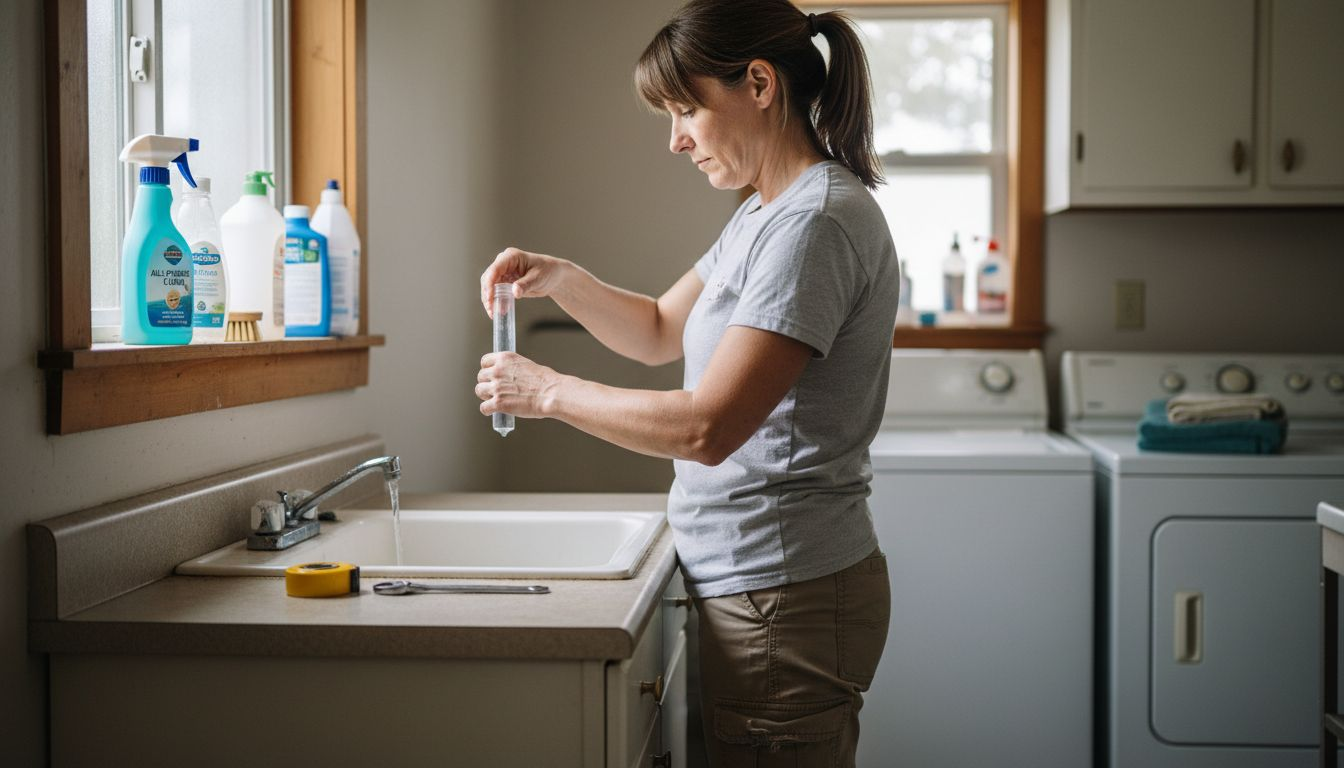
Beyond health protection, plumbers safeguard your property from the extensive damage that water can cause. A small leak that goes undetected can rot structural wood, damage insulation, and create conditions where mold thrives for years before you notice it. Frozen pipes in Belleville winters can burst suddenly, flooding basements and walls with hundreds of gallons of water. Sewer backups can damage flooring, drywall, and personal belongings while creating unsanitary conditions. Professional plumbers catch these problems early through routine maintenance visits, where they inspect pipes for corrosion, test for leaks, clean drains before they back up, and flush water heaters to remove sediment buildup. They identify older pipes that are starting to fail and can recommend replacement before catastrophic failure occurs. When emergencies do happen, plumbers respond quickly to minimize damage. A fast response to a burst pipe means the difference between a contained repair and a flooded basement that requires weeks of restoration work. This is why many homeowners keep their plumber’s contact information readily available and maintain regular preventative maintenance schedules.
The protection plumbers provide extends to your home’s overall sanitation and safety. Proper plumbing design and maintenance contribute directly to your family’s hygiene and health. Well functioning systems reduce health risks by ensuring that dirty water and waste never contact surfaces where food is prepared or where children play. Properly maintained pipes prevent pressure problems that could allow contaminated water to enter your supply lines. Correct drainage prevents standing water in crawl spaces and basements where dangerous mold and bacteria thrive. When you invest in regular plumbing maintenance or address problems promptly, you’re investing in your family’s long term health and your home’s structural integrity.
Pro tip: Know where your main water shutoff valve is located before an emergency happens, and have your plumber show you how to use it so you can stop water flow immediately if a pipe bursts.
Training, Licensing, and Local Regulations
Plumbing is not a profession someone can simply decide to do one day. It requires years of structured training, rigorous testing, and ongoing compliance with regulations designed to protect public safety. When you hire a plumber in Belleville, you’re working with someone who has invested substantial time and effort into becoming qualified to touch the systems that deliver clean water to your family and remove waste from your home. The pathway to becoming a licensed plumber typically starts with a high school diploma or equivalent, followed by a multi-year apprenticeship program. During apprenticeship, aspiring plumbers combine classroom instruction in plumbing codes, blueprints, safety protocols, and system design with thousands of hours of hands-on work under the supervision of experienced professionals. They learn how different pipe materials behave, how to solder copper, how to use specialized diagnostic equipment, how to read building codes, and how to troubleshoot complex problems. This isn’t something learned in a weekend workshop. Most apprenticeships require four to five years to complete, and that’s just the beginning.
After apprenticeship comes the licensing structure that protects homeowners like you. The hierarchical licensing system progresses from apprentice plumber through journeyman plumber to master plumber, with each level requiring additional experience and more rigorous examinations. Licensing requirements serve to protect public safety by ensuring plumbers understand building codes and regulations. Illinois has specific requirements, and Belleville operates under both state regulations and local ordinances. A journeyman plumber has completed apprenticeship and passed comprehensive exams covering plumbing theory, code knowledge, and practical skills. A master plumber has additional years of experience, typically five to ten beyond journeyman status, and has passed even more rigorous exams that test deep knowledge of plumbing systems, business practices, and advanced troubleshooting. Licensed plumbers must maintain current certifications, stay updated on code changes, carry appropriate insurance, and comply with continuing education requirements. This system exists because mistakes in plumbing work can have serious consequences for your family’s health and your home’s structural integrity. When you see a plumber’s license on the wall of their office or on their truck, you’re seeing proof that they’ve met strict standards established by regulatory boards that enforce compliance and hold professionals accountable.
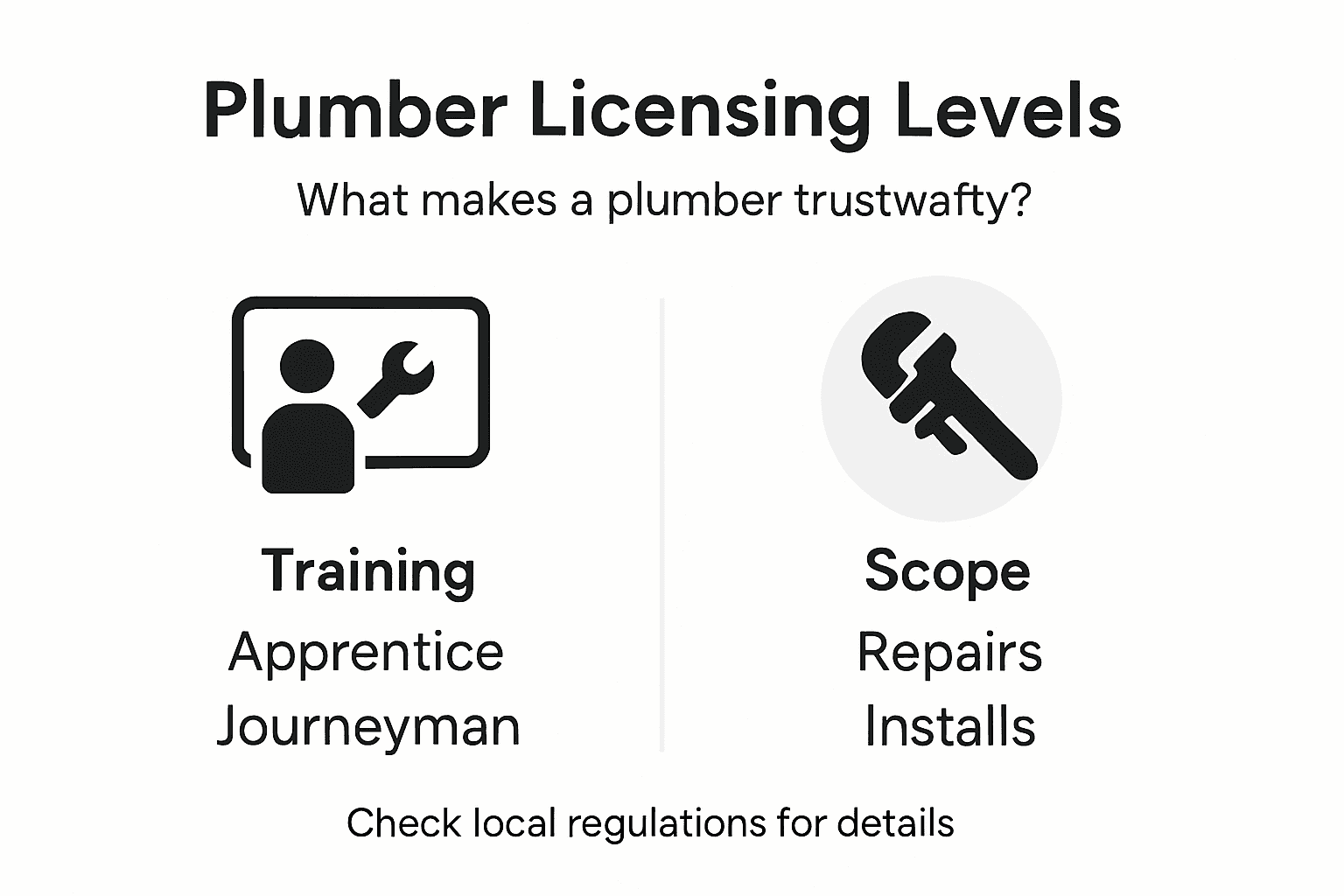
Local regulations in Belleville add another layer of protection. Every plumbing project, whether it’s a simple repair or a major installation, must comply with Illinois state plumbing code and Belleville municipal code. These codes specify everything from pipe sizing and materials to slope requirements, backflow prevention standards, and water heater installation procedures. Plumbers must understand local plumbing codes and occupational safety regulations to ensure their work protects public health and meets legal requirements. Many plumbing projects require permits and inspections by the city to verify that work meets code before it’s covered up in walls or underground. A licensed plumber knows these requirements and handles the permit and inspection process as part of their service. They understand that cutting corners to save money on a job creates liability not just for themselves but for the property owner. When you hire a licensed professional, you’re getting someone who knows the rules, follows them, and won’t risk their license or your safety by doing substandard work. Belleville homeowners benefit from knowing that any licensed plumber they hire must maintain their license by following these regulations and submitting to oversight by licensing boards.
The significance of licensing and regulation becomes clear when problems occur. If a licensed plumber does faulty work, there’s recourse through the licensing board, insurance claims, and legal accountability. If an unlicensed person does plumbing work and something goes wrong, you may have limited options for recovery and no guarantee that the work was done safely. Licensed plumbers carry liability insurance, maintain bonds, and keep detailed records of their work. They’re trained not just in how to do the work but in why codes exist and what happens when they’re ignored. This professional standard protects your family, your home, and your investment in plumbing repairs or installations.
Pro tip: Always verify that any plumber you hire is licensed and insured before they start work by asking for their license number and calling the Illinois Department of Financial and Professional Regulation to confirm their current status.
To help choose the right professional, see how plumber qualifications differ:
| License Level | Training Required | Responsibility Scope |
|---|---|---|
| Apprentice Plumber | Classroom, on-the-job, 4-5 years | Assists, works under supervision |
| Journeyman Plumber | Completed apprenticeship, exam | Performs repairs, installations independently |
| Master Plumber | Years past journeyman, advanced exams | Manages projects, supervises, business ownership |
Costs, Risks, and Choosing a Plumber Wisely
Plumbing work costs money, and that’s a reality every Belleville homeowner must face when something breaks or needs maintenance. The question isn’t whether you can afford to hire a plumber but whether you can afford not to. Understanding typical costs helps you budget wisely and recognize when a price is reasonable or suspiciously cheap. Typical plumbing costs include hourly rates for apprentices, journeymen, and master plumbers, plus flat rate pricing for common repairs and service call fees. Service calls in the Belleville area typically run between $100 and $200 just to diagnose the problem, with actual repair costs depending on what’s wrong. A simple faucet repair might cost $150 to $300, while a water heater replacement could run $1,500 to $3,000 or more depending on the unit and installation complexity. A burst pipe under your home could cost anywhere from $500 to $4,000 depending on location and difficulty of access. These numbers might sound steep until you compare them to the cost of ignoring the problem. A small leak that goes unaddressed for months could cause $10,000 or more in water damage, mold remediation, and structural repairs. A frozen pipe that bursts could flood your basement and destroy everything in it. Suddenly, a $500 emergency plumbing call looks like an excellent investment.
The risks of choosing a plumber poorly are substantial and often invisible until something goes wrong. Hiring an unlicensed plumber or someone who cuts corners to offer cheap prices creates liability that falls on you. If faulty work causes water damage or creates a health hazard, you may be responsible for the consequences. Insurance claims sometimes deny coverage for damage caused by unpermitted or substandard plumbing work. Your home’s resale value can be affected by plumbing that doesn’t meet code. You might discover during a home inspection that work done by an unlicensed person needs to be redone by a licensed professional before the sale can proceed. Worse, you could face a situation where initial cost savings of a few hundred dollars lead to complete system failure requiring a five-figure replacement. The risk of choosing wrong extends beyond money to your family’s health and safety. Improper water heater installation or backflow prevention issues could lead to contamination of your water supply. Poor drain work could cause sewage backups into your home. These aren’t just inconveniences; they’re genuine health hazards. When you choose a licensed, insured, professional plumber, you’re transferring these risks to someone equipped and accountable to handle them properly.
Choosing a plumber wisely means looking beyond the lowest price to evaluate qualifications and reliability. Start by verifying that any plumber you consider is licensed in Illinois and carries current liability insurance. Ask for references from recent customers and follow up by calling them. A good plumber will provide written estimates before starting work, so you can compare prices and understand exactly what’s included. Look for someone who takes time to explain what they found and why the repair or replacement is necessary rather than pushing you toward the most expensive option. Check online reviews and ratings on Google, the Better Business Bureau, and Angie’s List to see what actual customers experienced. Find out if they offer warranties on their work, which shows confidence in quality. Ask whether they handle permits and inspections as part of their service, since that’s part of doing the job right. Consider whether they offer maintenance plans, which can help you spread costs over time and prevent emergencies. Belleville homeowners who establish relationships with a trusted plumber find that ongoing maintenance visits catch problems early, which costs less than emergency repairs and prevents bigger disasters. The best time to find a plumber is before you need one desperately, when you can take time to research and compare instead of accepting whoever can come out today.
Pro tip: Get written estimates from at least two licensed plumbers for major work, and don’t automatically choose the cheapest option if it seems significantly lower than others or the plumber can’t clearly explain why their price is different.
Protect Your Belleville Home with Expert Plumbing Care
The article highlights how crucial licensed plumbers are in safeguarding your home’s health and safety through proper installation, maintenance, and emergency repairs. If you are facing challenges like frozen pipes, water heater failures, or leaking toilets you understand the stress that plumbing problems can cause to your family and property. At Davinroy Plumbing, we specialize in providing trusted solutions that protect your water quality, prevent costly water damage, and ensure your plumbing meets all Illinois codes.

Don’t wait until a small leak becomes a disaster Trust the professionals who understand the complex systems inside your Belleville home and value your peace of mind. Visit Davinroy Plumbing today for expert plumbing services and hot water tank repairs. Learn more about how a licensed plumber’s expertise protects your family on our Role of Licensed Plumber in Belleville page or explore our trusted frozen pipe repair solutions before cold weather sets in. Take action now to keep your home safe and comfortable with Davinroy Plumbing’s reliable care.
Frequently Asked Questions
What are the main responsibilities of plumbers?
Plumbers are responsible for installing, maintaining, and repairing water, gas, and sewage systems. They handle tasks such as fixing leaks, unclogging drains, and ensuring that plumbing systems comply with local codes and regulations.
How do plumbers protect my family’s health?
Plumbers ensure clean water supply and proper waste removal, preventing contamination and the spread of waterborne diseases. They install devices like backflow preventers and perform regular inspections to keep water safe and systems functional.
Why is it important to hire a licensed plumber?
Hiring a licensed plumber ensures that the professional has completed the necessary training and follows local safety codes. Licensed plumbers are accountable for their work, which protects your home and health.
What kind of preventative maintenance do plumbers recommend?
Plumbers recommend regular inspections, drain cleaning, and flushing water heaters to remove sediment buildup. This maintenance helps identify small problems before they become major issues, ensuring systems remain efficient and functional.