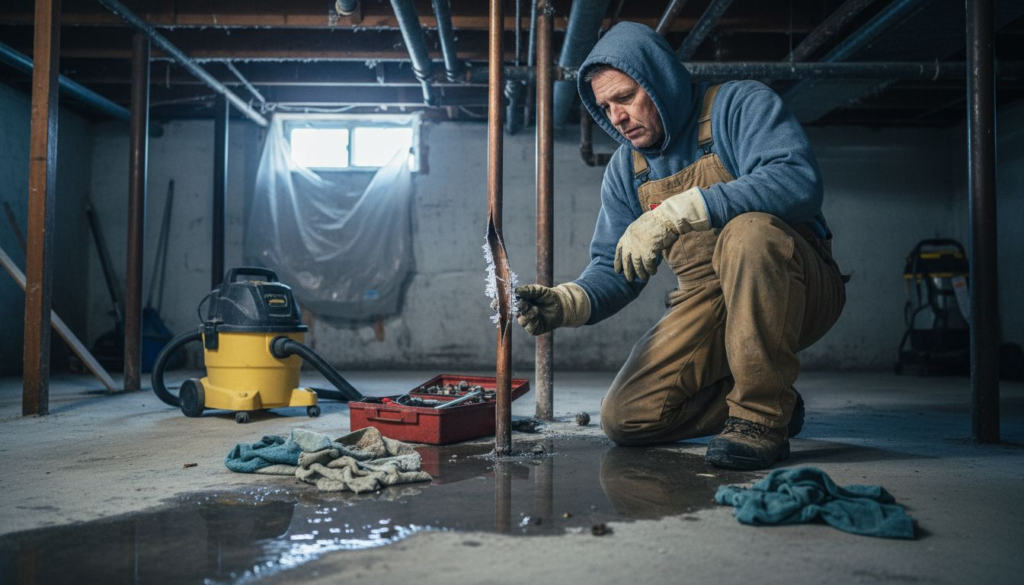
When water suddenly starts pooling on the floor or a stubborn clog brings your day to a halt, every moment counts for Belleville homeowners. Quick action protects your home from mounting damage and costly repairs. By learning how to assess emergencies and respond swiftly, you gain peace of mind and reduce risks before help arrives. Tackle leaks and clogs confidently with practical steps that make a real difference in those crucial first minutes.
Table of Contents
- Step 1: Assess The Plumbing Emergency
- Step 2: Shut Off The Main Water Supply
- Step 3: Contain Water Leaks Quickly
- Step 4: Clear Immediate Clogs Safely
- Step 5: Check For Additional Problems
- Step 6: Contact A Qualified Plumber
Quick Overview
| Essential Insight | Explanation |
|---|---|
| 1. Assess the Situation Quickly | Identifying the source and severity of the plumbing problem is crucial to mitigate damage and manage risks effectively. |
| 2. Know How to Shut Off Water | Locate and understand your main water valve for immediate shut-off to prevent flooding and severe damage. |
| 3. Contain Water Leaks Promptly | Use buckets, towels, and temporary seals to minimize water spread; every second counts to prevent extensive damage. |
| 4. Clear Clogs Safely and Effectively | Start with gentle methods like plungers before resorting to chemicals to avoid damaging pipes. |
| 5. Seek Professional Help When Needed | Knowing when to call a licensed plumber can prevent disasters and ensure proper repairs are made. |
Step 1: Assess the Plumbing Emergency
Quick and accurate assessment is crucial when facing a plumbing emergency. Your goal is to understand the scope and urgency of the problem before water damage escalates or potential safety risks emerge.
Identifying the nature of your plumbing crisis involves several key steps. First, locate the source of the issue – whether it’s a burst pipe, overflowing toilet, major leak, or damaged fixture. Pay attention to water volume, pressure, and potential contamination risks. Emergency response procedures recommend quickly determining immediate hazards and available stabilization resources.
To systematically evaluate your plumbing emergency, consider these critical assessment factors:
- Water location and spread
- Potential structural damage
- Risk of electrical hazards
- Water contamination potential
- Immediate shut-off possibilities
Water damage can multiply rapidly. Acting within the first 24-48 hours is critical to prevent long-term structural and health risks.
Shut off your main water valve immediately if you cannot quickly control the leak. This prevents additional water from compounding the damage. For complex situations involving sewage backups or significant structural impacts, contact professional emergency plumbing services immediately.
Pro tip:Always keep your main water valve location memorized and accessible, and ensure all household members know how to shut it off quickly in an emergency.
Here’s how typical plumbing emergencies differ in impact and urgency:
| Emergency Type | Immediate Risk Level | Common Damage | Recommended First Action |
|---|---|---|---|
| Burst Pipe | High | Flooded rooms | Shut off water main |
| Overflowing Toilet | Moderate | Water seepage | Cut water to toilet |
| Major Leak | High | Wall/ceiling damage | Contain and call plumber |
| Sewage Backup | Critical | Health hazard | Avoid area, call professionals |
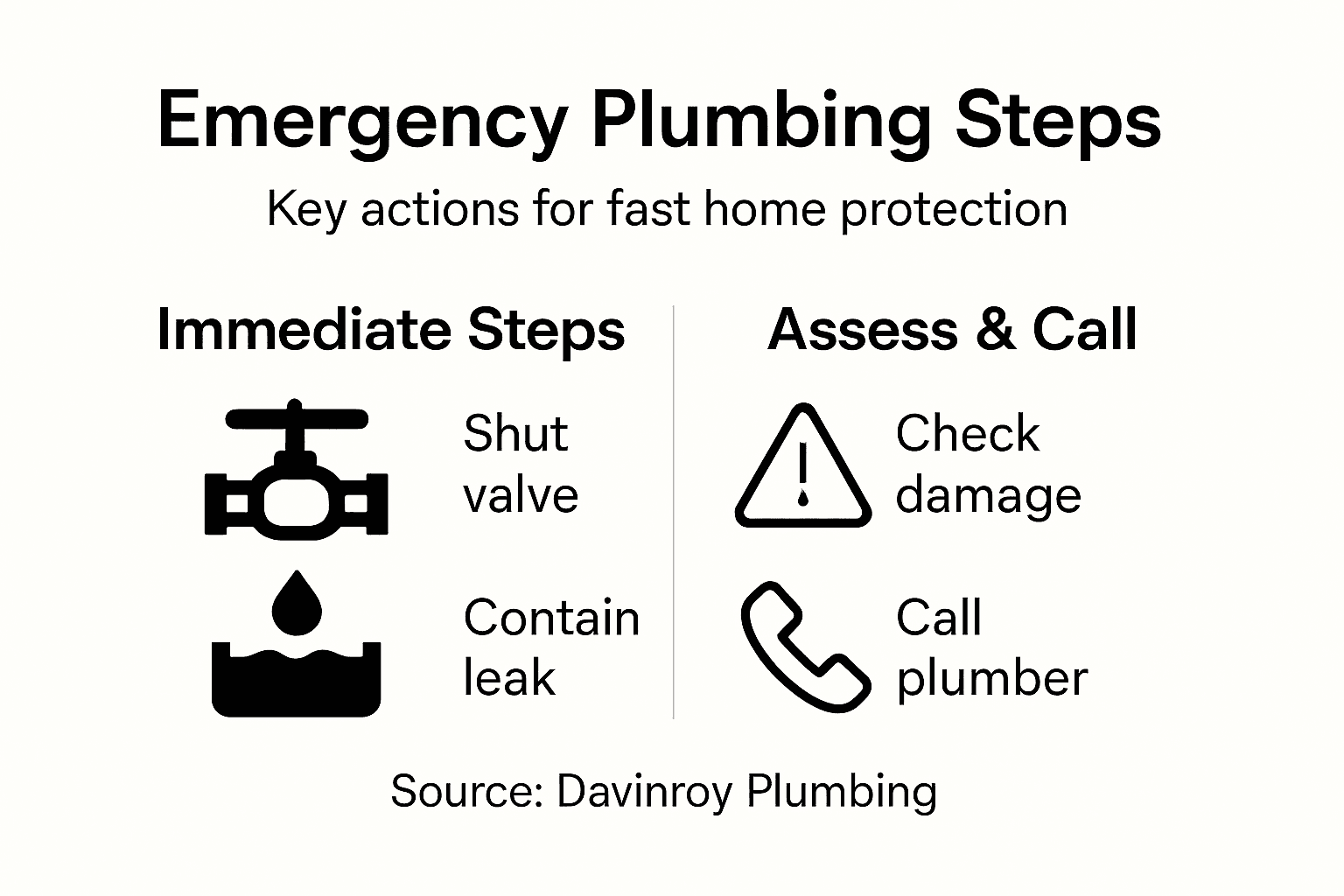
Step 2: Shut Off the Main Water Supply
In a plumbing emergency, knowing how to quickly shut off your main water valve can mean the difference between minor damage and a catastrophic home flood. Your primary goal is to stop water flow and prevent extensive property damage.
Water supply interruption procedures recommend locating and understanding your home’s main water valve before an emergency strikes. This valve is typically situated in one of these key locations:
- Near the water meter
- Where the main water pipe enters your home
- Basement or crawl space
- Outside near the foundation
- Utility room or garage
Every minute counts during a water emergency. Knowing your main valve’s location can save thousands in potential damage.
To shut off the main water supply, turn the valve clockwise until it is fully closed. For lever-style valves, turn the handle a quarter turn until it is perpendicular to the pipe. For wheel-style valves, rotate the wheel clockwise multiple times until it stops. If the valve is stiff or rusty, use adjustable pliers carefully to avoid breaking the valve.
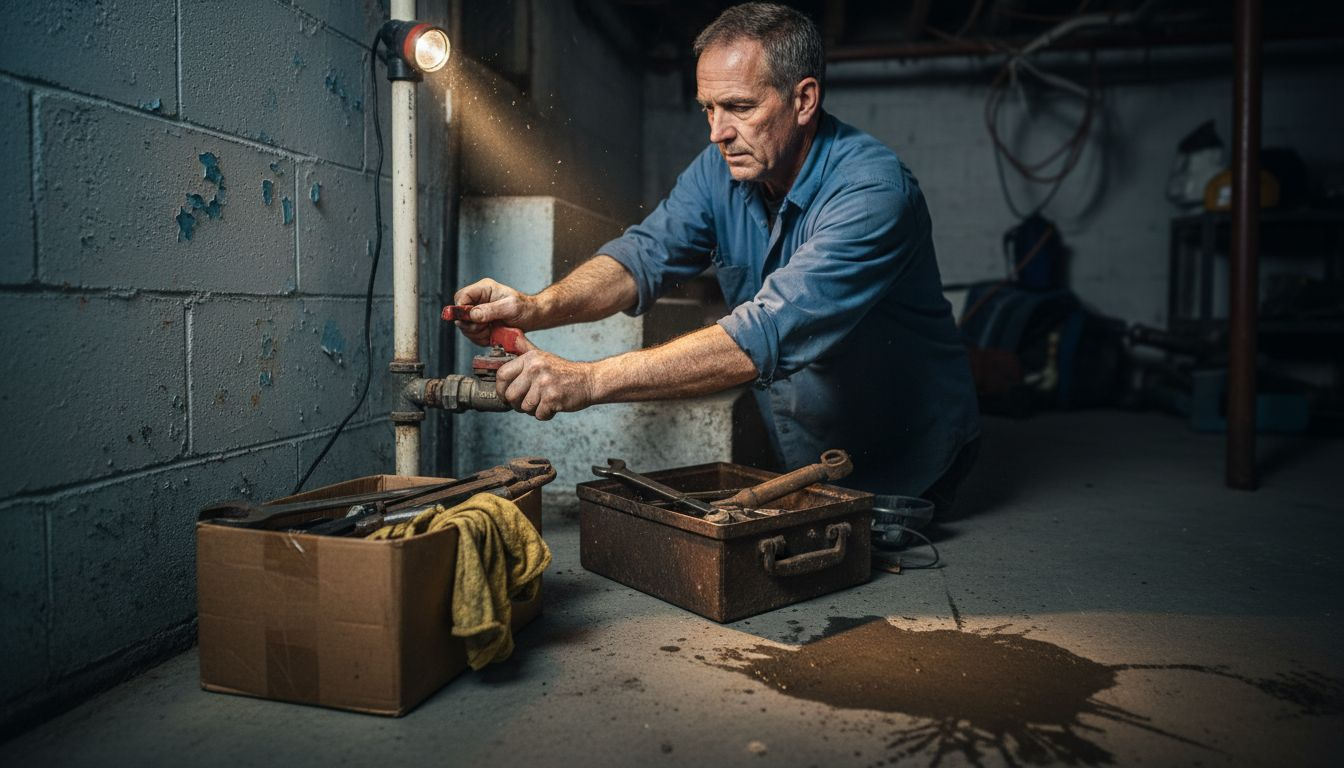
Pro tip:Test your main water valve annually to ensure it turns smoothly and mark its location with a bright tag or marker for quick identification during emergencies.
Step 3: Contain Water Leaks Quickly
When water starts leaking, every second counts. Your immediate goal is to minimize potential damage and prevent water from spreading across your home’s surfaces and structures.
Leak detection and repair strategies recommend using multiple containment techniques depending on the leak’s size and location. Start by gathering essential emergency supplies:
- Large buckets or containers
- Clean towels and absorbent materials
- Waterproof tape
- Plastic sheets
- Rubber gloves
Water damage can escalate quickly. Immediate containment is your first line of defense against costly repairs.
For small leaks, place buckets directly underneath the dripping area to catch water. Use towels to absorb surface moisture and prevent spreading. For pipe cracks, apply waterproof tape as a temporary seal. If the leak is substantial, use plastic sheeting to redirect water flow away from electrical outlets, wooden floors, and valuable furniture.
Pro tip:Keep a dedicated emergency leak kit in an easily accessible location, with all necessary containment supplies pre-assembled for rapid response.
Step 4: Clear Immediate Clogs Safely
Clogged drains can quickly turn from a minor inconvenience into a major plumbing disaster. Your mission is to remove blockages effectively without causing additional damage to your pipes or plumbing system.
Clog clearing techniques recommend using progressive methods that start with the least invasive approach. Before reaching for harsh chemicals, try these initial strategies:
- Plunger (most effective for toilets and sink clogs)
- Hot water flush
- Baking soda and vinegar mixture
- Drain snake or plumbing auger
- Enzymatic drain cleaner
Patience and gentle techniques are key to preventing pipe damage during unclogging.
Begin with a standard plunger for toilet and sink blockages. Create a tight seal around the drain and use firm, consistent pumping motions. For kitchen sink clogs, try pouring boiling water directly into the drain to help dissolve grease and organic matter. If these methods fail, a drain snake can reach deeper blockages without risking pipe damage.
Pro tip:Keep a dedicated plunger for toilets and another for sinks, and store them near the respective fixtures to ensure quick access during emergencies.
Step 5: Check for Additional Problems
After managing the initial plumbing crisis, your next critical task is to thoroughly inspect for hidden damage that could lead to future emergencies. Catching secondary issues early can save you thousands in potential repair costs.
Post-emergency plumbing inspections require a systematic approach to identifying potential complications. Look for these warning signs in different areas of your home:
- Water stains on walls or ceilings
- Soft or warped flooring near plumbing fixtures
- Unusual musty odors
- Subtle changes in water pressure
- Discoloration around pipe connections
- Unexplained increases in water bills
Small signs can reveal significant underlying plumbing problems. Attention to detail prevents future disasters.
Systematically examine each affected area with a flashlight and moisture meter if available. Check walls, floors, and ceilings for signs of water penetration. Pay special attention to areas near the original leak, looking for subtle discolorations, soft spots, or potential mold growth. If you discover extensive water damage or suspect structural compromise, contact a professional plumber for a comprehensive assessment.
Pro tip:Take clear photographs of any discovered damage to document the extent for insurance purposes and potential professional repair estimates.
Step 6: Contact a Qualified Plumber
Sometimes DIY solutions aren’t enough, and professional intervention becomes crucial. Knowing when and how to contact a qualified plumber can save you from extensive and costly damage.
Professional plumbing standards emphasize the importance of selecting certified professionals who understand building codes and safety regulations. Before making that call, gather these critical pieces of information:
- Detailed description of the plumbing issue
- Location of the problem
- Duration and severity of the emergency
- Actions you’ve already taken
- Potential access points for the plumber
Professional intervention can transform a potential disaster into a manageable repair.
Call multiple plumbing services to compare response times and initial assessment fees. Verify their licensing, insurance, and ask about emergency service availability. Look for plumbers who can provide immediate or same-day response for critical issues. Request a rough estimate and expected timeline for repair during the initial consultation.
Pro tip:Keep a list of pre-vetted emergency plumbers in your phone contacts, so you’re prepared before a crisis strikes.
Below is a summary of DIY vs. professional plumber responses for urgent scenarios:
| Response Type | Advantages | Limitations |
|---|---|---|
| DIY Emergency | Immediate action, saves money | May not fix root issue, risk of mistakes |
| Professional Call | Proper tools, code compliance | Response delays, service costs |
Protect Your Home Fast with Expert Plumbing Services
Facing a plumbing emergency can be overwhelming and painful. From burst pipes to overflowing toilets, quick action is needed to shut off water supply and contain leaks before costly damage sets in. The article “Emergency Plumbing Steps for Quick Home Protection” highlights how critical it is to act fast and know the right steps like shutting off the main valve and safely addressing immediate clogs.
Don’t let plumbing problems put your home at risk. At Davinroy Plumbing, we offer trusted emergency plumbing solutions in Belleville, Illinois, ready to respond when water damage threatens your property. Our services include expert pipe repair, toilet repair, and freeze pipe prevention to help you avoid future disasters.
Learn more about our plumbing services and get peace of mind knowing you have professionals on call.
Take control of your home’s safety now by contacting Davinroy Plumbing. Remember the importance of prompt action highlighted in the article and partner with us to stop leaks and protect your property before damage worsens. Call us immediately to schedule an inspection or emergency repair and secure your home today.
Frequently Asked Questions
What should I do first in a plumbing emergency?
In a plumbing emergency, the first step is to assess the situation by identifying the source and severity of the problem. Quickly locate the main water valve and shut it off to prevent further water damage.
How can I contain water leaks effectively?
To contain water leaks quickly, use large buckets to catch dripping water and absorb moisture with towels. Apply waterproof tape on cracks or significant leaks to temporarily seal them and prevent further spread.
When should I call a professional plumber?
You should contact a professional plumber if the plumbing issue is beyond your control, such as severe leaks or sewage backups. Gather details about the problem and your previous actions before making the call for efficient service.
How can I find my main water valve?
Typically, your main water valve is located near the water meter or where the main water pipe enters your home. Take a moment to identify its precise location now, so you can access it quickly during an emergency.
What are the signs of hidden plumbing problems?
Look for water stains on walls or ceilings, soft spots in flooring, and unusual musty odors as signs of hidden plumbing issues. Conduct a thorough inspection after managing the initial crisis to catch any secondary problems early, which can help reduce repair costs.
How can I prevent plumbing emergencies in the future?
Regular maintenance and inspections of your plumbing can prevent many emergencies. Schedule periodic checks for leaks, clogs, and other potential issues to keep your plumbing system in optimal condition.