Plumbing problems can disrupt your day and drain your wallet if left unchecked. From mystery leaks and frustratingly slow drains to toilets that never stop running, these issues often start small but quickly escalate into expensive repairs. You need straightforward solutions that catch problems early and keep your home’s water system running smoothly. This guide will give you actionable tips for identifying hidden pipe leaks, safely unclogging drains, troubleshooting stubborn toilets, and more. Get ready to discover practical steps you can take right now to protect your home and avoid costly plumbing disasters.
Table of Contents
- Recognizing Signs of Hidden Pipe Leaks
- Simple Fixes for Slow or Clogged Drains
- What To Do When Your Toilet Keeps Running
- How to Prevent and Handle Frozen Pipes
- Dealing With Low Water Pressure in Your Home
- Hot Water Tank Problems and Troubleshooting Tips
- Knowing When to Call a Professional Plumber
Quick Summary
| Key Message | Explanation |
|---|---|
| 1. Monitor Water Bills for Leaks | An unexplained increase in water bills can indicate hidden leaks, prompting immediate investigation to prevent water damage. |
| 2. Use Natural Methods for Clogging | Cleaning drains with baking soda and vinegar is effective and eco-friendly, often outperforming commercial products. |
| 3. Address Running Toilets Promptly | A running toilet can waste significant water; checking the flapper valve is a simple way to fix the issue. |
| 4. Insulate Pipes to Prevent Freezing | Protect vulnerable pipes with insulation to avoid costly repairs from burst pipes during winter. |
| 5. Know When to Call a Plumber | Certain plumbing problems require professional expertise; persistent leaks and major repairs should not be DIY projects. |
1. Recognizing Signs of Hidden Pipe Leaks
Understanding the early warning signs of pipe leaks can save homeowners thousands in potential water damage repair costs. Hidden leaks are sneaky problems that can cause significant structural damage before becoming visually apparent.
Water damage often begins with subtle indicators that many homeowners overlook. Here are key signs to watch for:
- Unexplained increases in water bills
- Mysterious water stains on walls or ceilings
- Musty odors near plumbing fixtures
- Reduced water pressure
- Sounds of running water when no fixtures are in use
One powerful method for detecting hidden leaks involves checking your water meter systematically. By turning off all water-using fixtures and observing the meter, you can determine if water continues flowing. A moving dial indicates a potential leak somewhere in your home.
Leaks can occur in unexpected places: under sinks, behind walls, near water heaters, or even beneath concrete slabs.
Pinpointing the exact location requires methodical investigation. Start by shutting off individual valves and monitoring water meter movement. This helps you isolate whether the leak originates inside or outside your home.
Pro tip:Create a home leak inspection checklist and review it every six months to catch potential issues early.
2. Simple Fixes for Slow or Clogged Drains
Drain clogs are a frustrating problem that can quickly disrupt your home’s plumbing system. Understanding how to address these issues can save you money and prevent more serious plumbing complications.
Homeowners have several effective methods for clearing sluggish or blocked drains without resorting to harsh chemical solutions. The most reliable approaches involve mechanical and natural cleaning techniques:
- Plunging to dislodge minor blockages
- Using natural solutions like baking soda and vinegar
- Employing a plumbing snake for deeper clogs
- Installing drain guards to prevent future blockages
Natural drain cleaning methods offer an environmentally friendly alternative to chemical drain cleaners. The classic baking soda and vinegar technique creates a powerful fizzing reaction that breaks down organic buildup without damaging your pipes.
A simple combination of household ingredients can often solve drain problems more effectively than commercial chemical products.
To use this method, start by pouring half a cup of baking soda directly into the drain. Follow this with a half cup of white vinegar. The mixture will create a bubbling chemical reaction that helps dissolve hair, soap scum, and other debris. After 15 minutes, flush the drain with boiling water to clear any remaining residue.
Pro tip:Keep a drain guard in each sink to catch hair and food particles before they can cause stubborn blockages.
3. What To Do When Your Toilet Keeps Running
A constantly running toilet isn’t just annoying it can waste hundreds of gallons of water and significantly increase your monthly utility bill. Understanding the root causes and basic repair techniques can save you money and prevent potential water damage.
Most running toilet issues stem from three primary components in the tank:
- Faulty flapper valve
- Misaligned fill valve
- Incorrect water level settings
Toilet repair techniques require careful inspection and targeted troubleshooting. Start by removing the tank lid and observing the internal mechanisms while flushing to identify where water continues flowing.
A running toilet can waste up to 200 gallons of water per day if left unaddressed.
To diagnose the problem, check the flapper seal first. If it’s worn or doesn’t sit properly, water will continuously leak from the tank into the bowl. Replacing the flapper is usually a simple and inexpensive fix that most homeowners can handle with basic tools.
Adjust the fill valve if the water level rises above the overflow tube. This typically involves bending the float arm or adjusting the screw mechanism to lower the water level and prevent constant running.
Pro tip:Keep a small repair kit with replacement flappers and adjustable wrenches in your home maintenance toolbox for quick toilet repairs.
4. How to Prevent and Handle Frozen Pipes
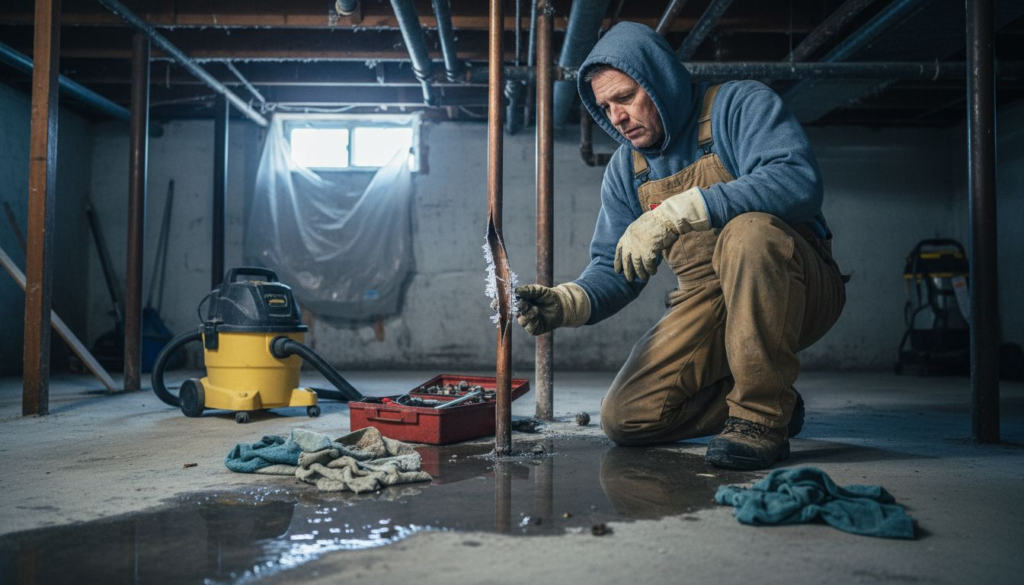
Frozen pipes are a homeowner’s winter nightmare that can quickly escalate from a minor inconvenience to a catastrophic and expensive repair. Understanding how to prevent and safely thaw frozen pipes can save you thousands in potential water damage and restoration costs.
The most vulnerable pipes in your home include:
- Pipes located in unheated interior spaces
- Plumbing near exterior walls
- Outdoor water supply lines
- Pipes in attics and crawl spaces
Winter pipe protection strategies are critical for avoiding potential pipe bursts. Water expands when it freezes creating immense pressure that can cause pipes to crack or completely rupture.
A burst pipe can release up to 250 gallons of water in just a few hours causing extensive home damage.
Prevention starts with proper insulation. Wrap pipes in foam sleeves or heat tape particularly in unheated areas. Seal any air leaks near pipe locations to prevent cold drafts. During extreme cold keep your home heated and allow faucets to drip slightly to keep water moving.
If you discover a frozen pipe do not panic. Shut off the main water valve and gently warm the pipe using a hair dryer or heating pad. Never use an open flame as this can damage pipes or start a fire.
Pro tip:Create an emergency pipe repair kit with pipe insulation materials pipe repair tape and contact information for a local plumber before winter hits.
5. Dealing With Low Water Pressure in Your Home
Low water pressure can turn simple daily tasks like showering or washing dishes into frustrating experiences. Understanding the underlying causes and potential solutions can help you restore your home’s water flow and prevent potential plumbing complications.
Most water pressure problems stem from several common issues:
- Clogged pipe systems
- Faulty pressure regulators
- Corroded plumbing components
- Hidden water leaks
- Mineral buildup in pipes
Water pressure management requires a systematic approach to diagnose and resolve the underlying problem. The ideal residential water pressure typically ranges between 40 and 60 pounds per square inch (psi).
Water pressure below 30 psi can significantly impact your home’s plumbing performance and comfort.
Start by checking your home’s pressure-reducing valve and examining pipe connections for potential blockages. Clean aerators on faucets and showerheads to remove mineral deposits that might restrict water flow. If simple cleaning doesn’t resolve the issue a professional plumber can conduct a comprehensive diagnostic.
Pro tip:Purchase an inexpensive water pressure gauge from a local hardware store to regularly monitor your home’s water pressure and catch potential issues early.
6. Hot Water Tank Problems and Troubleshooting Tips
A malfunctioning hot water tank can disrupt your entire household routine and potentially lead to expensive water damage. Recognizing early warning signs and knowing how to troubleshoot can save you significant time and money.
Common hot water tank issues include:
- Unexpected water temperature changes
- Unusual noises from the tank
- Water leaks around the base
- Discolored or rusty water
- Reduced hot water volume
Water heater maintenance techniques help prevent costly repairs and extend your system’s lifespan. Sediment buildup is often the primary culprit behind many hot water tank problems.
Sediment can reduce your water heater’s efficiency by up to 50 percent and dramatically shorten its operational life.
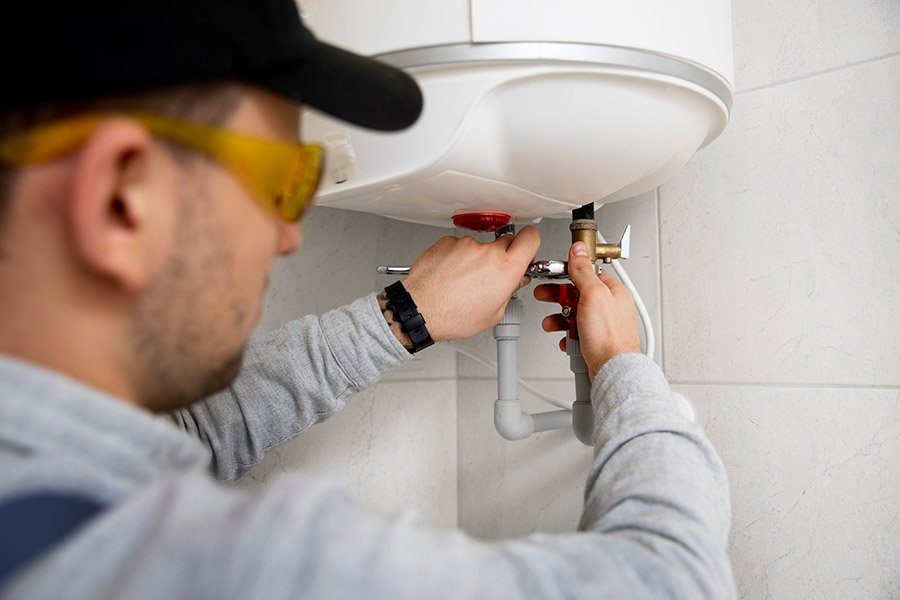
Regular maintenance involves draining the tank annually to remove mineral deposits. Check the pressure relief valve for proper function and inspect the anode rod for corrosion. These simple steps can significantly improve your water heater’s performance and longevity.
Pro tip:Create a maintenance calendar to track your water heater’s service history and set reminders for annual inspections.
7. Knowing When to Call a Professional Plumber
While many homeowners pride themselves on DIY skills some plumbing issues require professional expertise. Understanding the difference between manageable home repairs and complex plumbing challenges can save you from costly mistakes and potential property damage.
Signal that you need a professional plumber include:
- Persistent water leaks
- Sewer line problems
- Gas line repairs
- Complex pipe installations
- Major water heater issues
- Significant water pressure changes
- Visible pipe corrosion
Professional plumbing services bring specialized training and tools that most homeowners simply cannot match. Licensed plumbers understand local building codes and have the expertise to diagnose and resolve intricate problems safely.
Some plumbing repairs can cause more damage if attempted without proper knowledge and equipment.
Complicated repairs often involve specialized techniques and understanding of complex plumbing systems. Gas line work especially demands professional intervention due to significant safety risks. Professional plumbers undergo rigorous apprenticeship training that equips them to handle challenging scenarios efficiently.
Pro tip:Maintain a relationship with a trusted local plumber before an emergency occurs so you have a reliable contact when unexpected issues arise.
Below is a comprehensive table summarizing key topics, signs, solutions, and strategies discussed in the article for addressing various common homeowner plumbing challenges.
| Topic | Key Points | Pro Tips |
|---|---|---|
| Recognizing Hidden Leaks | Watch for increased water bills, stains, odors, and listen for running water sounds. | Regularly check the water meter for any unexpected movement. |
| Clearing Clogged Drains | Use plunging techniques, natural solutions like baking soda, and plumbing snakes. | Install drain guards to prevent clogs. |
| Fixing Running Toilets | Inspect the tank’s components like the flapper, fill valve, and water level. | Keep spare repair items such as flappers and tools for emergencies. |
| Preventing Frozen Pipes | Insulate vulnerable areas and maintain consistent water flow in extreme cold. | Assemble an emergency kit with insulation materials and repair tools. |
| Resolving Low Water Pressure | Clean pipe connections, inspect the pressure regulator, and address leaks or mineral buildup. | Use a water pressure gauge to monitor levels and address reductions early. |
| Water Heater Maintenance | Drain sediment annually, inspect parts like the anode rod, and check for proper functioning. | Maintain a service log to ensure regular maintenance. |
| Hiring Professional Plumbers | Seek professional help for persistent leaks, gas line issues, or significant repairs. | Build a trusted relationship with a plumber before emergencies arise. |
Protect Your Home From Common Plumbing Problems With Expert Help
Facing hidden leaks, persistent running toilets, or frozen pipes can feel overwhelming. These issues not only disrupt daily life but also risk costly water damage and skyrocketing utility bills. If you want peace of mind and reliable solutions for plumbing challenges like pipe leaks, toilet repairs, or hot water tank troubles Davinroy Plumbing has you covered in the Belleville, Illinois area.

Don’t wait until a minor plumbing issue turns into a major disaster. Trust the professionals who understand these common problems inside and out. Explore our comprehensive plumbing services designed to tackle everything from toilet repair to frozen pipe repair. Take control of your home’s water system today by visiting Davinroy Plumbing and scheduling your service before small leaks become expensive emergencies.
Frequently Asked Questions
What should I do if I notice unexplained increases in my water bills?
To address unexplained increases in your water bills, first check for visible water leaks around your home. Conduct a thorough inspection and consider monitoring your water meter to confirm a potential unseen leak.
How can I clear a clogged drain effectively?
To clear a clogged drain effectively, start by using a plunger to dislodge minor blockages. If that doesn’t work, try pouring a mix of baking soda and vinegar down the drain followed by boiling water after 15 minutes.
What are the common causes of a running toilet and how can I fix it?
Common causes of a running toilet include a faulty flapper valve, misaligned fill valve, or incorrect water levels. Remove the tank lid and inspect each component, replacing any faulty parts to stop the water flow.
How can I prevent my pipes from freezing during winter?
To prevent your pipes from freezing, insulate vulnerable areas with foam sleeves or heat tape. Additionally, keep your home warm and allow faucets to drip slightly during extreme cold to keep the water moving.
What should I do about low water pressure in my home?
If you’re experiencing low water pressure, start by checking the pressure-reducing valve and inspecting for clogged aerators. Cleaning these components can often resolve the issue, and if it persists, consider consulting a plumber.
When is it time to call a professional plumber?
Call a professional plumber if you experience persistent water leaks, sewer line problems, or gas line issues. Complex repairs often require specialized knowledge and tools that a licensed plumber can provide.