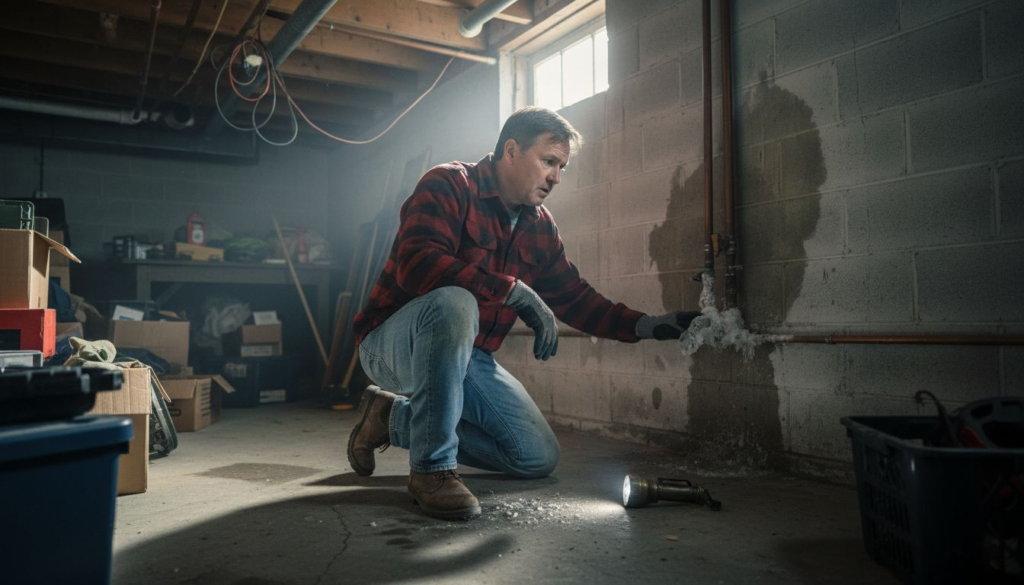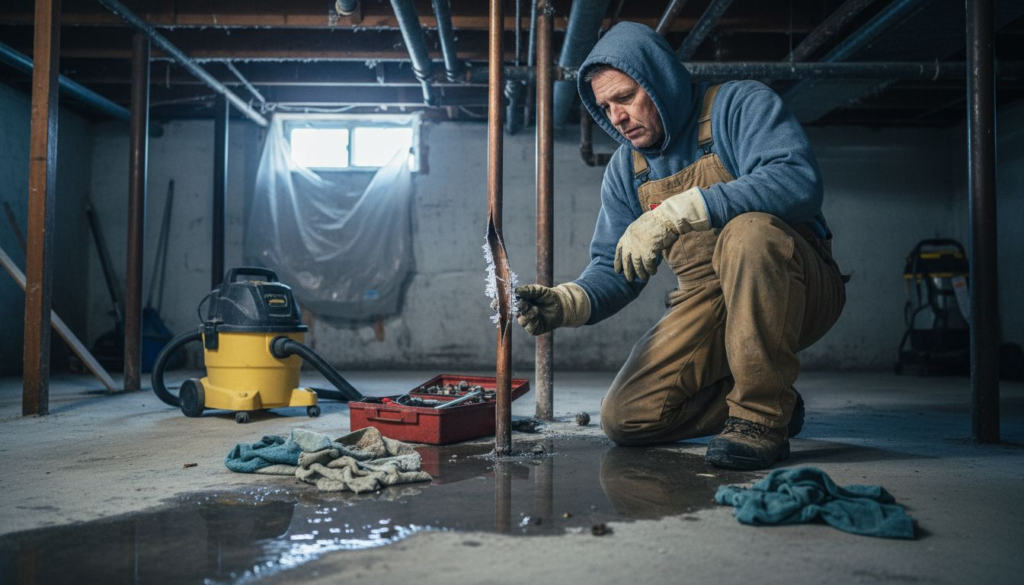
A malfunctioning toilet can cause headaches for American homeowners in Belleville, Illinois, with more than 10 percent of U.S. households losing thousands of gallons of water each year due to hidden plumbing leaks. What starts as a minor drip or sluggish flush can quickly threaten your home’s sanitation and safety. Understanding common toilet problems, knowing when to handle repairs yourself, and finding trusted local plumbing experts can help you stop small issues before they become costly emergencies.
Table of Contents
- What Toilet Repair Involves and Why It Matters
- Common Types of Toilet Problems Explained
- How Toilet Repair Works Step-by-Step
- DIY Toilet Fixes Versus Hiring a Plumber
- Risks, Costs, and Mistakes to Avoid
Key Takeaways
| Point | Details |
|---|---|
| Importance of Toilet Repair | Timely toilet repair is essential to maintain sanitation, prevent water damage, and avoid costly emergencies. |
| Common Issues to Monitor | Homeowners should recognize common toilet problems like leaks and clogs to address them proactively. |
| DIY vs. Professional Help | Minor repairs can often be managed DIY, but complex issues are best handled by licensed professionals to avoid further damage. |
| Avoiding Repair Mistakes | Homeowners should be aware of common mistakes, like using incorrect parts or misdiagnosing issues, to prevent escalating costs. |
What Toilet Repair Involves and Why It Matters
Toilet repair extends far beyond simple maintenance – it represents a critical intervention to protect household sanitation, prevent water damage, and ensure healthy living conditions. When toilets malfunction, they can create cascading problems that compromise both home infrastructure and personal hygiene. Understanding the comprehensive scope of toilet repair helps homeowners proactively address potential issues before they escalate into expensive emergencies.
At its core, toilet repair involves addressing a wide range of potential problems that can compromise system functionality. These challenges include diagnosing and resolving issues like persistent clogs, leaks around the base, running toilets, weak flush performance, and damaged components like seals, valves, and internal mechanisms. Functional toilets prevent disease transmission and maintain critical household sanitation infrastructure, making timely repairs essential for maintaining a safe living environment.
Proper toilet repair requires a systematic approach that involves careful diagnosis, precise tool selection, and targeted interventions. Homeowners should understand that different problems demand specific repair strategies – a running toilet might need flapper replacement, while a persistent clog could require specialized plumbing tools or professional intervention. Beyond immediate functionality, consistent maintenance prevents long-term damage like water seepage, floor rot, and potential structural compromises that can result in thousands of dollars of home repair expenses.
Pro tip: Always keep a basic plumbing repair kit with a toilet plunger, adjustable wrench, replacement wax ring, and plumber’s tape to handle minor toilet repairs quickly and effectively.
Common Types of Toilet Problems Explained
Toilet systems are complex mechanisms with multiple potential failure points that can disrupt household functionality and create significant inconvenience. Understanding these common problems helps homeowners quickly diagnose issues and determine whether a do-it-yourself repair or professional intervention is necessary. From minor annoyances to serious structural concerns, toilet malfunctions can range widely in severity and potential impact.
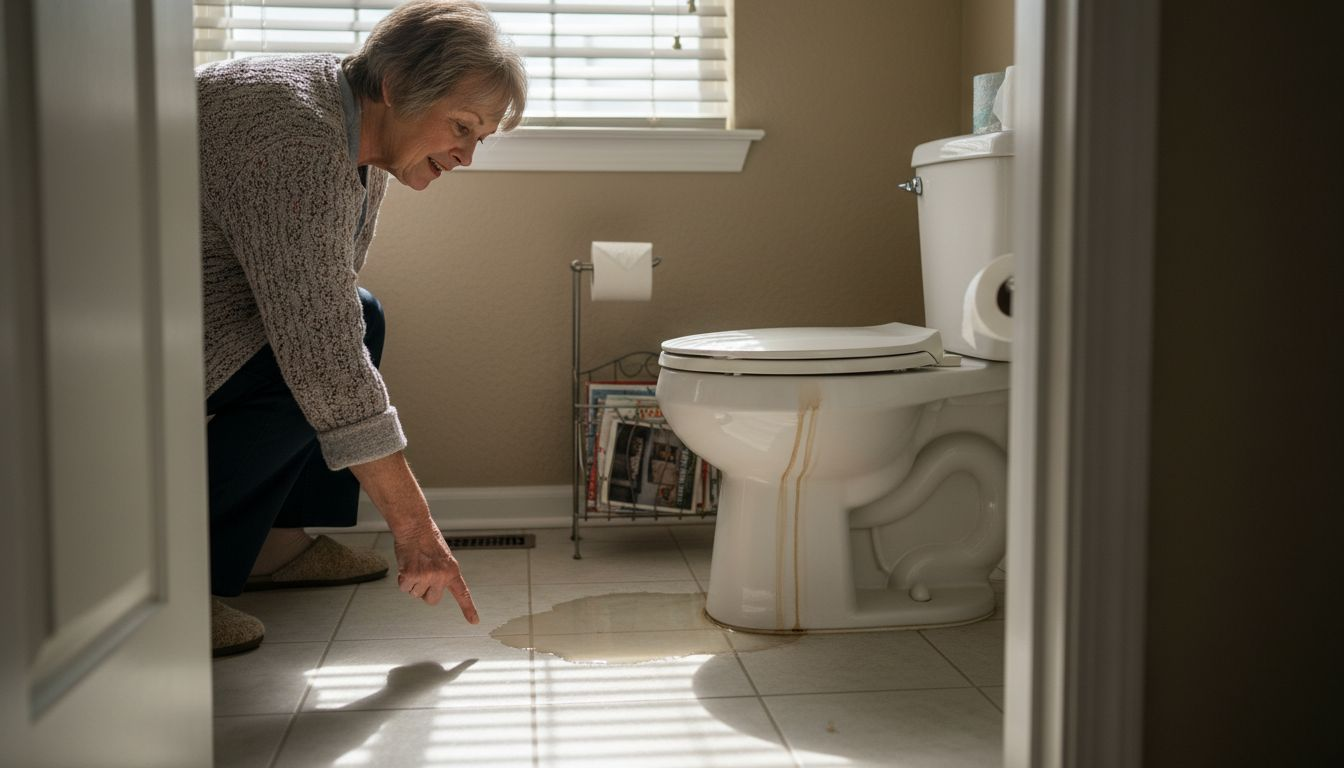
One of the most prevalent issues homeowners encounter involves toilet leaks and seal failures. These problems typically manifest through water pooling around the base, continuous running sounds, or unexplained increases in water bills. Worn-out components like flappers, fill valves, and seals can cause persistent leaks that waste water and potentially damage flooring. Common symptoms include a toilet that runs intermittently, water trickling into the bowl without flushing, or visible moisture around toilet connections.
Beyond mechanical failures, toilets can present unexpected safety challenges that extend beyond simple repairs. Structural defects like loose mounting bolts, cracked porcelain, or unstable toilet seats can create potential injury risks. Some toilet problems involve internal mechanism failures such as broken flush handles, damaged tank components, or misaligned water levels that prevent proper flushing. Understanding these varied potential issues allows homeowners to take proactive maintenance steps and prevent more extensive damage.
Pro tip: Conduct a monthly visual inspection of your toilet’s base, connections, and internal components to catch potential issues before they become costly repairs.
How Toilet Repair Works Step-by-Step
Toilet repair is a systematic process that requires careful diagnosis, strategic tool selection, and precise execution. Homeowners can successfully address many common toilet issues by understanding the fundamental steps and approaching repairs methodically. Whether dealing with a leaky seal, malfunctioning flush mechanism, or structural problem, a structured approach can save time and prevent costly professional interventions.
The initial phase of toilet repair involves comprehensive diagnostic techniques to identify the specific problem. This typically begins with a thorough visual inspection, checking for water pooling, listening for unusual sounds, and examining each component of the toilet system. Common diagnostic steps include testing the flapper’s seal, measuring water levels in the tank, checking flush handle tension, and inspecting connection points for potential leaks or wear. Homeowners should look for signs like continuous running water, weak flush performance, or visible moisture around toilet connections.
Once the specific issue is identified, repair strategies can be implemented with targeted precision. Different problems require unique approaches – a running toilet might need flapper replacement, while a weak flush could demand adjusting the water level or cleaning mineral deposits from jet holes. Key repair steps often involve removing old components, cleaning connection surfaces, applying plumber’s tape to prevent future leaks, and carefully installing new parts. Critical tools for most repairs include an adjustable wrench, replacement parts matching the toilet model, plumber’s tape, and potentially a toilet repair kit with specialized components.
Pro tip: Before starting any toilet repair, take a smartphone photo of the internal tank components to serve as a reference for reassembly and part identification.
DIY Toilet Fixes Versus Hiring a Plumber
Navigating the complex landscape of toilet repairs requires homeowners to make strategic decisions about when to tackle problems independently and when to seek professional assistance. Understanding the nuanced differences between do-it-yourself fixes and professional interventions can save both time and money while ensuring the long-term functionality of your home’s plumbing system.
For minor toilet issues, homeowners can confidently handle simple repairs. DIY toilet repairs can save money for straightforward problems like replacing a faulty flapper, adjusting flush handles, or addressing minor leaks. These repairs typically require minimal tools and basic mechanical skills. Common DIY-friendly tasks include tightening connection bolts, replacing wax rings, cleaning mineral deposits, and adjusting water levels in the tank. Homeowners with some mechanical aptitude can often resolve these issues quickly and effectively, avoiding the expense of professional service calls.
However, certain toilet problems demand professional expertise. Complex issues such as persistent leaks, structural damage, or repairs involving intricate plumbing connections should be handled by licensed professionals. These scenarios often require specialized diagnostic tools, in-depth knowledge of plumbing codes, and expertise that goes beyond basic home repair skills. Professional plumbers can provide comprehensive solutions that address root causes, ensure proper installation, and prevent potential future damage that could result from improper repairs.
Here’s a practical overview comparing DIY toilet fixes and professional plumbing services:
| Aspect | DIY Toilet Repairs | Professional Plumber Services |
|---|---|---|
| Typical Problems | Minor leaks, handle misalignment | Persistent leaks, structural damage |
| Tools Required | Basic household toolkit | Advanced diagnostic equipment |
| Cost Impact | Low, only parts and time | Higher, includes labor and expertise |
| Skill Needed | Basic mechanical ability | Licensed plumbing expertise |
| Risk of Mistakes | Possible but usually minor | Very low, professional correction |
Pro tip: Create a simple repair kit with basic tools like an adjustable wrench, plumber’s tape, replacement parts, and a smartphone with a flashlight to help you confidently assess and tackle minor toilet repairs.
Risks, Costs, and Mistakes to Avoid
Homeowners must approach toilet repairs with a strategic mindset, understanding that seemingly minor mistakes can lead to significant financial and structural consequences. The complexity of plumbing systems demands careful consideration, precise execution, and a realistic assessment of one’s technical capabilities before attempting any repair work.
Toilet repair mistakes can quickly escalate costs and create unexpected challenges. Common errors include using incorrect replacement parts, misdiagnosing underlying issues, and applying inappropriate repair techniques. Risks range from water damage and structural deterioration to potential health hazards caused by improper sanitation. Homeowners frequently underestimate the potential consequences of DIY repairs, inadvertently causing more extensive damage that requires expensive professional intervention. Critical mistakes often involve failing to fully understand the root cause of the problem, using low-quality replacement components, or attempting repairs without proper tools and knowledge.
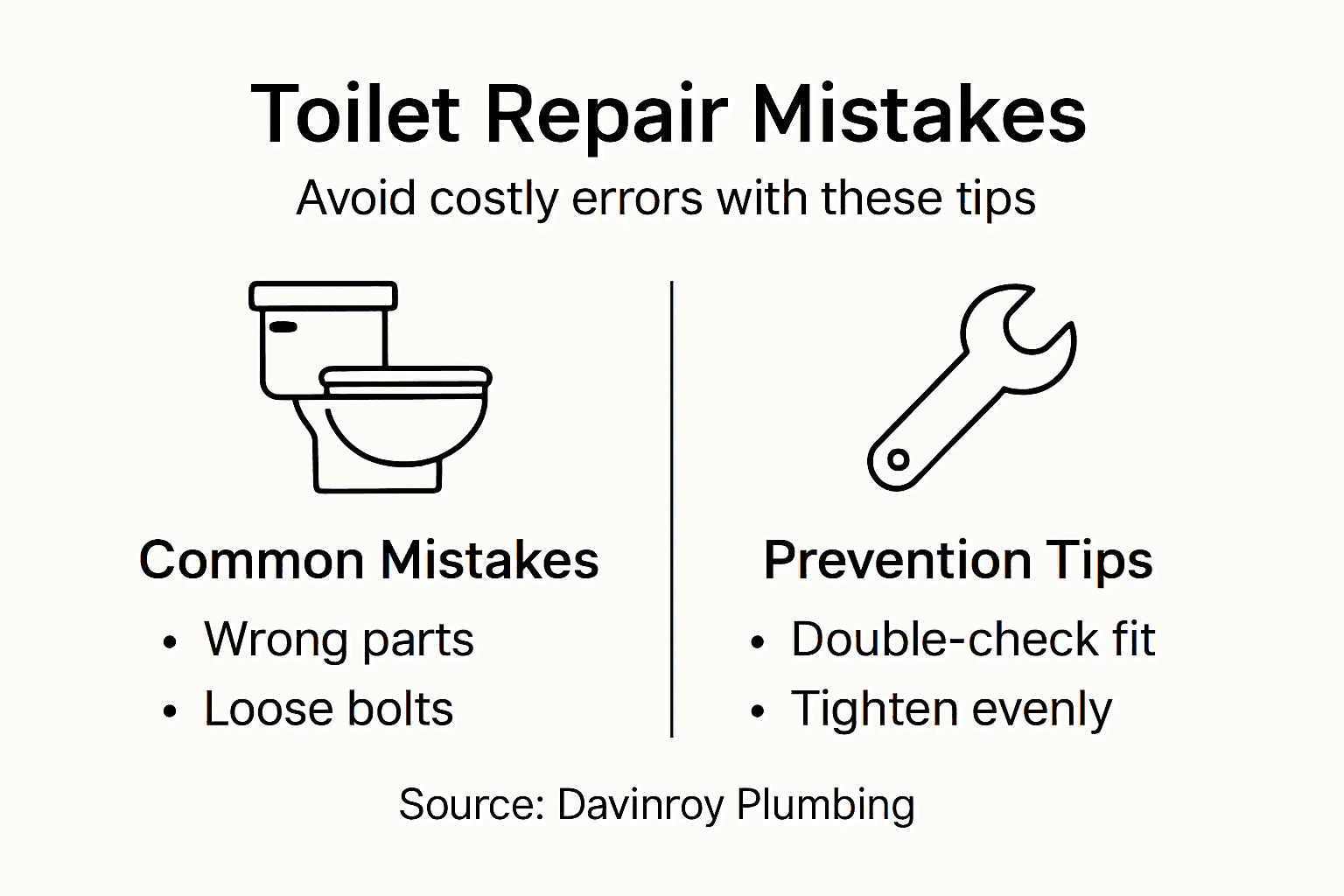
To help you avoid costly errors, here is a summary of frequent toilet repair mistakes and their consequences:
| Mistake | Common Cause | Potential Consequence |
|---|---|---|
| Using wrong replacement part | Not checking model number | Continued malfunction, water waste |
| Misdiagnosing root issue | Skipping thorough inspection | Recurring problems, wasted money |
| Poor repair technique | Lack of experience | Water damage, increased repair cost |
| Ignoring warning signs | Underestimating symptoms | Floor rot, higher utility bills |
Beyond immediate repair challenges, toilet maintenance involves understanding long-term financial implications. Unaddressed issues can lead to substantial water waste, increased utility bills, and potential property damage. Professional plumbers bring specialized diagnostic skills that can identify complex problems invisible to untrained eyes. These experts can detect subtle signs of structural weakness, potential pipe damage, or systemic issues that might compromise the entire plumbing infrastructure. While professional services represent an upfront cost, they ultimately provide comprehensive solutions that prevent more expensive repairs and potential home damage.
Pro tip: Keep a detailed maintenance log of all toilet repairs, including parts replaced, dates of service, and any professional recommendations, to track potential recurring issues and inform future maintenance strategies.
Keep Your Toilet Functioning Flawlessly with Expert Help from Davinroy Plumbing
Facing persistent leaks, running toilets, or weak flushes can be frustrating and costly. These issues not only disrupt daily comfort but also risk damaging your home’s structure and increasing water bills. If you want to avoid common repair mistakes and limit damage from faulty seals or worn parts, professional toilet repair is the solution. Davinroy Plumbing specializes in addressing these specific plumbing challenges, offering precise diagnostics and repairs that restore full function and protect your home.
Don’t wait for minor toilet problems to turn into expensive headaches. Connect with Davinroy Plumbing today in Belleville, Illinois to benefit from our trusted toilet repair services and skilled plumbing solutions. Act now to ensure your household sanitation remains safe and efficient by visiting Davinroy Plumbing. Your home deserves the best care—schedule your expert service and avoid costly water damage before it starts.
Frequently Asked Questions
What are common toilet repair issues homeowners face?
Common toilet repair issues include persistent clogs, leaks around the base, running toilets, weak flush performance, and damaged components like seals and valves.
How can I diagnose a toilet problem before attempting repairs?
Start with a thorough visual inspection, checking for water pooling, listening for unusual sounds, and examining the internal components like the flapper and fill valve. Look for signs such as continuous running water or weak flush performance.
When should I attempt a DIY toilet repair versus hiring a plumber?
DIY repairs are suitable for minor issues like replacing a flapper or fixing a minor leak. Complex problems, such as persistent leaks or structural damage, should be addressed by a licensed plumber for safety and efficiency.
What tools should I have on hand for basic toilet repairs?
A basic plumbing repair kit should include a toilet plunger, adjustable wrench, replacement wax ring, plumber’s tape, and potentially a toilet repair kit with necessary components for common fixes.
Recommended
- Toilet Troubles? Home Depot’s Unclogging Tips to the Rescue! – Davinroy Plumbing and Mechanical
- Toilet Services – Davinroy Plumbing and Mechanical
- When Your Garbage Disposal Needs a Lifeline: Emergency Repair Solutions – Davinroy Plumbing and Mechanical
- Don’t Get Soaked: Best Water Leak Detectors Reviewed – Davinroy Plumbing and Mechanical