Leaky faucets and outdated fixtures are common headaches for many Belleville homeowners, but they also drive up water bills more than most people realize. Each wasted drop adds up over time, making efficient plumbing practices an easy way to protect both your budget and your property. This guide offers clear, practical tips for maintaining your home’s plumbing system and highlights smart strategies to reduce water waste and prevent costly surprises year-round.
Table of Contents
- Plumbing Efficiency Basics For Homeowners
- Top Water-Saving Devices And Fixtures
- Detecting And Preventing Hidden Leaks
- Seasonal Home Plumbing Maintenance Tips
- Common Mistakes That Raise Water Bills
Key Takeaways
| Point | Details |
|---|---|
| Understand Your Plumbing System | Knowledge of your home’s plumbing design helps in making informed maintenance decisions that enhance efficiency and prevent costly repairs. |
| Invest in Water-Saving Fixtures | Installing low-flow toilets and efficient fixtures can reduce water usage significantly, leading to substantial savings on utility bills. |
| Regular Leak Detection | Conducting regular inspections can help identify hidden leaks that waste water and increase bills, ultimately preventing extensive damage. |
| Seasonal Maintenance is Essential | Adapting plumbing maintenance strategies to suit seasonal changes can prevent potential plumbing emergencies and associated costs. |
Plumbing Efficiency Basics for Homeowners
Understanding the fundamentals of home plumbing efficiency can save homeowners significant money and reduce water waste. Modern plumbing systems are complex networks designed to deliver clean water and safely remove waste, but many homeowners lack basic knowledge about maintaining these critical home infrastructure components.
The core principles of plumbing efficiency start with understanding your home’s plumbing system design. These systems involve intricate networks of pipes, valves, and fixtures that work together to provide water distribution and waste removal. Knowing how these components interact helps homeowners make smart maintenance decisions.
Key elements of plumbing efficiency include:
- Regular inspection of pipe connections
- Checking for potential leak points
- Understanding water pressure dynamics
- Maintaining proper fixture functionality
- Monitoring water heater performance
The Uniform Plumbing Code provides essential guidelines for sustainable home plumbing practices. This comprehensive standard helps homeowners implement water-conservation strategies that reduce both environmental impact and utility costs. By following these professional recommendations, residents can create more efficient home water systems.
Pro tip: Schedule a professional plumbing system assessment annually to identify potential efficiency improvements before they become costly repairs.
Top Water-Saving Devices and Fixtures
Homeowners seeking to reduce water consumption and lower utility bills can significantly benefit from installing modern water-saving devices and fixtures. Water-efficient technologies have revolutionized home plumbing, offering substantial savings without compromising performance.
Toilets represent the most critical area for water conservation. Modern low-flow toilets can reduce water usage by up to 60% compared to older models. These WaterSense certified fixtures use dramatically less water per flush while maintaining excellent functionality. The average household can save thousands of gallons annually by upgrading to these efficient models.
Key water-saving devices and fixtures include:
- Low-flow toilets with reduced water consumption
- Water-efficient showerheads using 2 gallons per minute or less
- Faucet aerators that restrict water flow
- Smart leak detection systems
- Touchless fixtures that minimize unnecessary water usage
Showerheads and faucets also offer significant water conservation opportunities. Modern designs can reduce water flow while maintaining strong pressure, allowing homeowners to save water without sacrificing comfort. By selecting WaterSense labeled products, residents can ensure they’re using fixtures that meet strict efficiency standards.
Water-efficient fixtures can reduce household water consumption by up to 20% without compromising performance.
Pro tip: Consider bundling water-saving fixture installations during your next bathroom renovation to maximize efficiency and potential utility rebates.
Here is a comparison of water-saving devices and their estimated annual savings:
| Device Type | Typical Water Saved (gallons/year) | Main Benefit |
|---|---|---|
| Low-flow toilet | 13,000–16,000 | Major reduction in flush water |
| Water-efficient showerhead | 2,700–5,000 | Lower flow with good pressure |
| Faucet aerator | 400–1,500 | Reduces sink water use |
| Smart leak detector | 5,000–10,000 | Early leak detection |
| Touchless fixture | 600–2,000 | Stops accidental water waste |
Detecting and Preventing Hidden Leaks
Home water damage can be catastrophic, making leak detection crucial for homeowners. Undetected leaks waste thousands of gallons of water annually and can cause significant structural damage to your property if left unchecked.
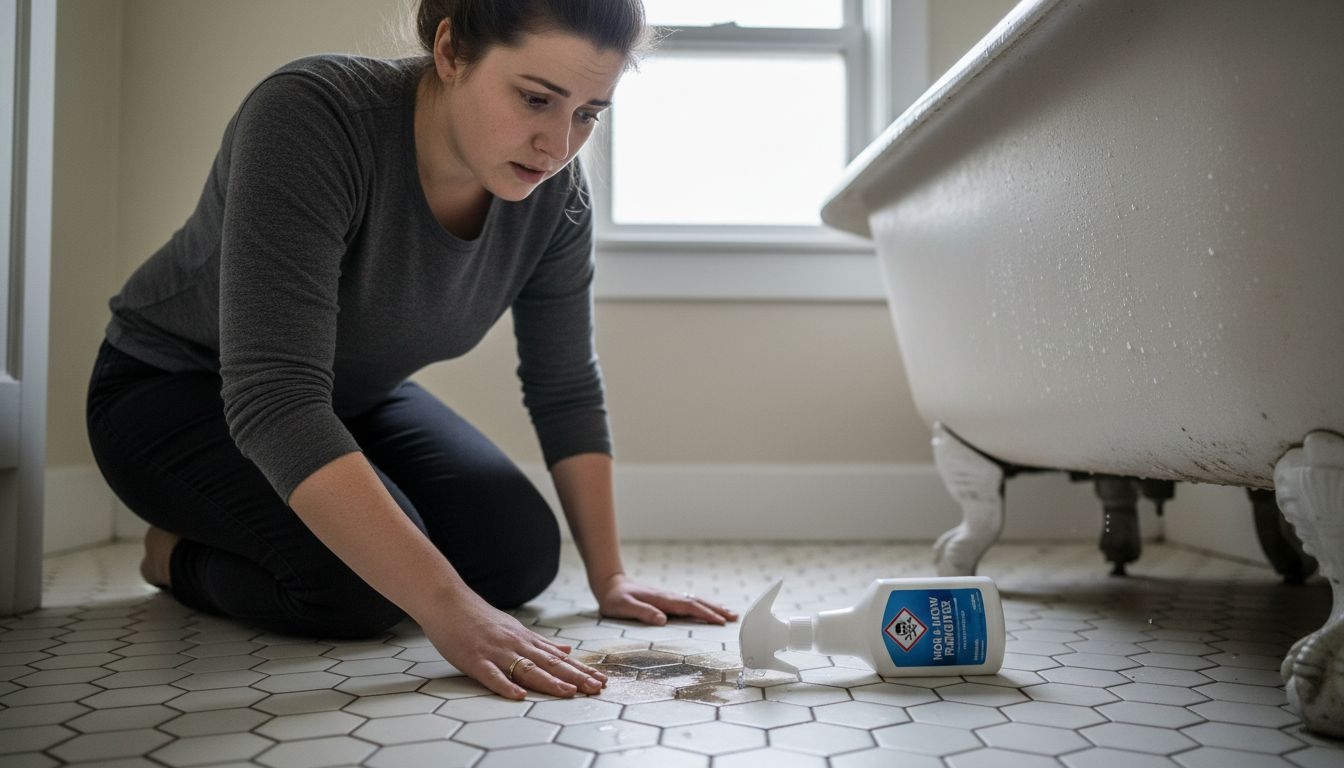
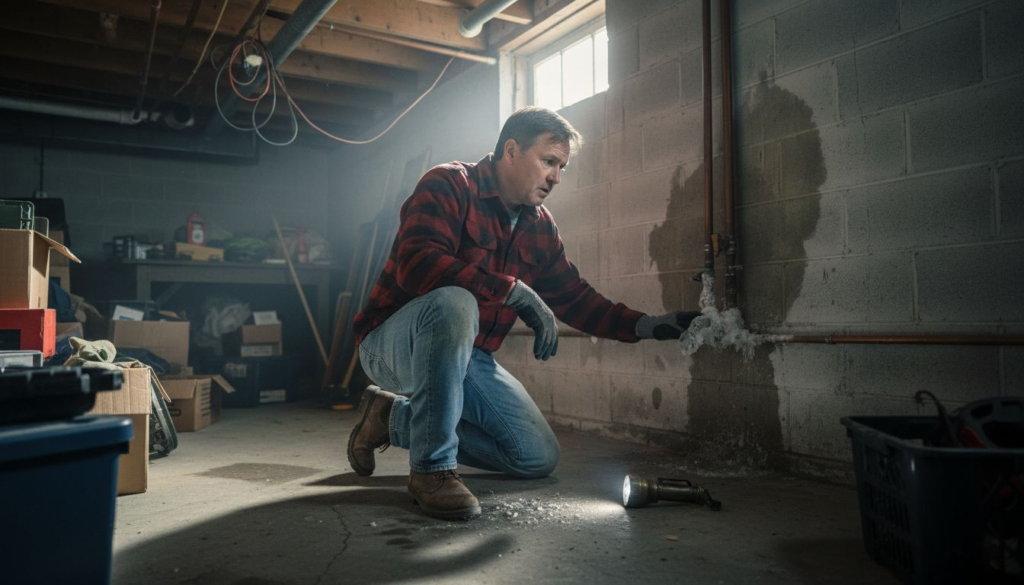
Recognizing the signs of hidden leaks requires careful observation and proactive monitoring. Common indicators include unexplained increases in water bills, mysterious moisture spots on walls or floors, and subtle sounds of running water when all fixtures are turned off. Homeowners should regularly inspect areas prone to leakage, such as under sinks, around toilets, and near water heaters.
Key strategies for detecting hidden leaks include:
- Monitoring monthly water meter readings
- Checking for unexplained water bill increases
- Listening for unexpected water sounds
- Inspecting visible pipe connections
- Using food coloring tests in toilet tanks
- Examining walls and floors for moisture signs
Underground and wall-based leaks can be particularly challenging to identify. Professional leak detection equipment uses advanced technologies like acoustic sensors and thermal imaging to pinpoint hidden water loss locations. These specialized tools can identify leaks within walls, under foundations, and in underground pipes without invasive exploratory work.
Even a small, undetected leak can waste up to 10,000 gallons of water annually.
Pro tip: Schedule an annual professional plumbing inspection to catch potential leaks before they become expensive emergencies.
Seasonal Home Plumbing Maintenance Tips
Homeowners must adapt their plumbing maintenance strategies to address unique challenges presented by changing seasons. Winter home maintenance requires special attention to prevent costly water damage and protect critical plumbing infrastructure.
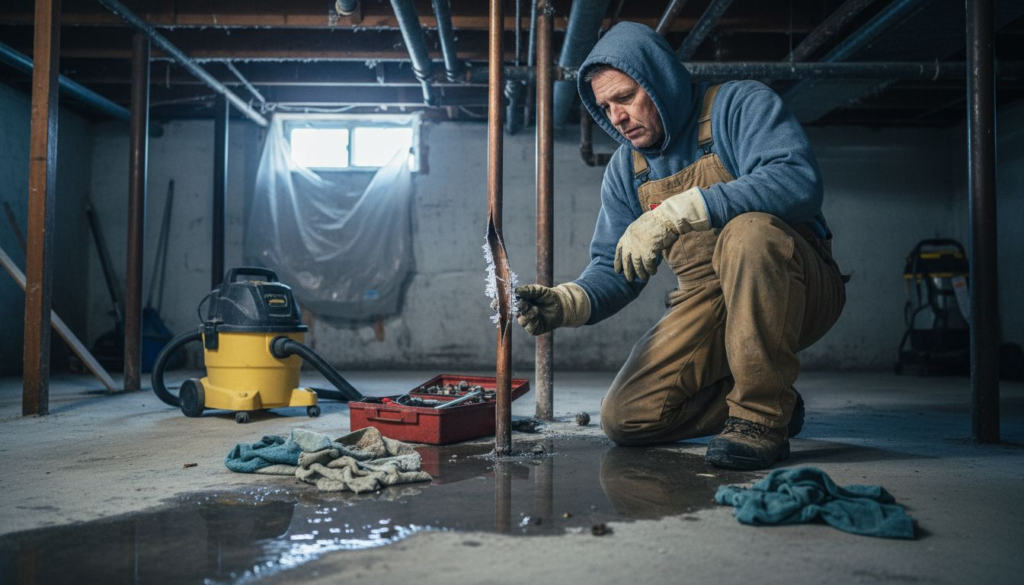
Each season demands specific plumbing care approaches. During winter, protecting pipes from freezing becomes paramount. Exposed pipes in unheated areas like basements, attics, and crawl spaces need comprehensive insulation. Homeowners should seal air leaks, add insulation, and ensure consistent interior temperatures to prevent potential pipe bursts.
Key seasonal plumbing maintenance strategies include:
- Insulating exposed pipes in unheated areas
- Checking for and sealing air leaks
- Disconnecting garden hoses before freezing weather
- Maintaining consistent interior temperatures
- Inspecting attic and basement insulation
- Cleaning gutters to prevent ice dam formation
Spring and summer require different maintenance approaches. Outdoor plumbing components like sprinkler systems need careful inspection and potential repairs. Checking for underground leaks, examining outdoor faucets, and ensuring proper drainage can prevent water waste and potential landscape damage. Professional plumbers recommend a comprehensive system evaluation to catch potential issues before they escalate.
Proper seasonal maintenance can prevent up to 80% of potential plumbing emergencies.
Pro tip: Create a seasonal plumbing maintenance calendar to systematically track and address potential issues throughout the year.
Common Mistakes That Raise Water Bills
Homeowners often unknowingly waste water and increase utility expenses through simple plumbing oversights. Household plumbing mistakes can significantly impact water consumption, with even minor issues potentially adding hundreds of dollars to annual water bills.
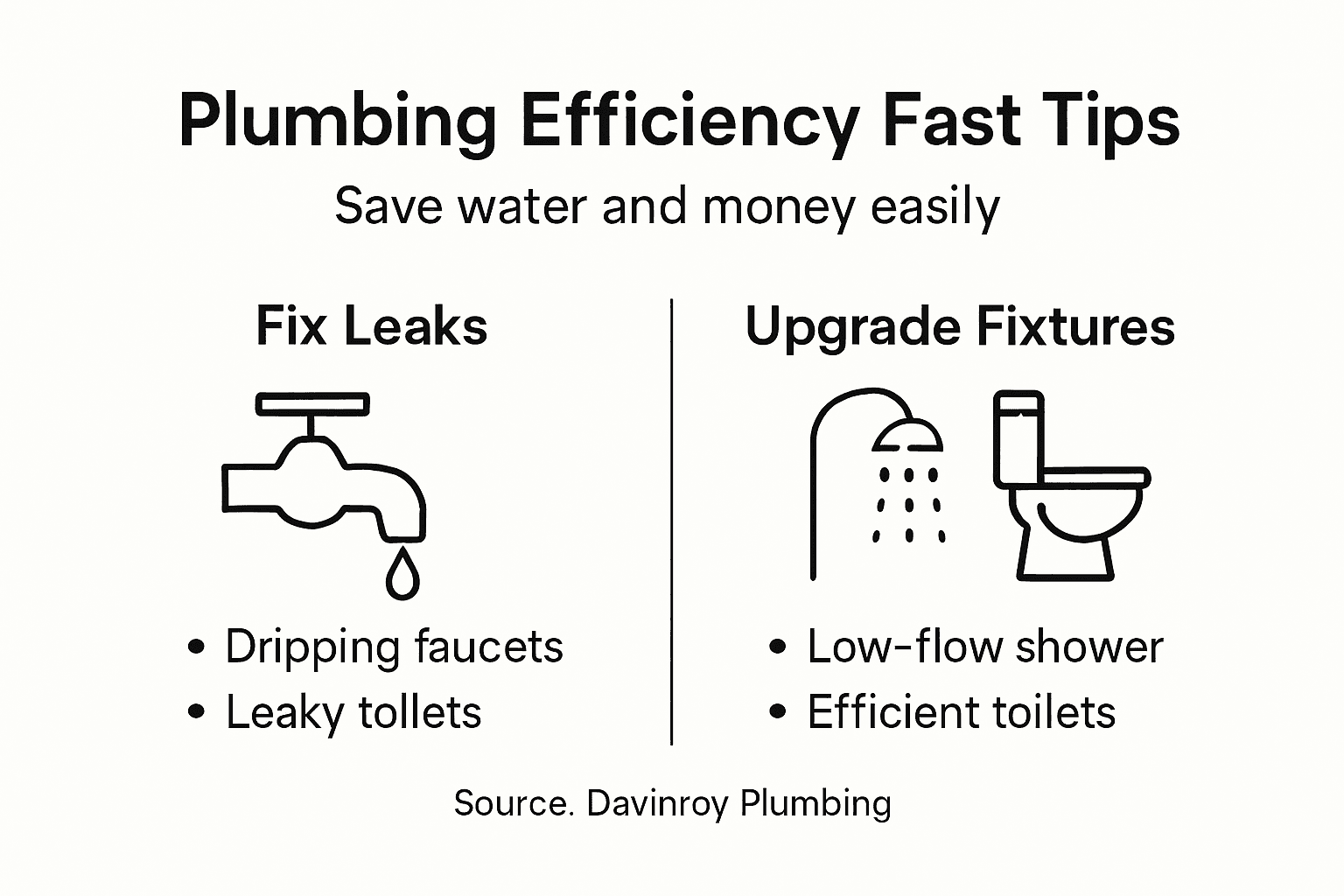
One of the most common and costly mistakes involves ignoring small leaks throughout the home. A dripping faucet or running toilet might seem insignificant, but these minor issues can waste thousands of gallons of water annually. Hidden leaks in pipes, toilets, and fixtures create continuous water loss that goes unnoticed until utility bills spike dramatically.
Key water-wasting mistakes include:
- Ignoring minor toilet and faucet leaks
- Using outdated, inefficient plumbing fixtures
- Overwatering landscaping
- Neglecting regular plumbing system checks
- Running water unnecessarily during daily tasks
- Failing to repair visible pipe damage
Irrigation systems represent another major source of water waste for homeowners. Malfunctioning sprinkler systems, improperly adjusted water timers, and outdated irrigation technology can lead to excessive water consumption. Professional plumbers recommend regular system evaluations and upgrades to ensure maximum water efficiency and cost-effectiveness.
A single unrepaired toilet leak can waste up to 200 gallons of water daily.
Pro tip: Conduct a monthly visual inspection of all plumbing fixtures to catch potential leaks and inefficiencies early.
The following table summarizes consequences of common homeowner plumbing mistakes:
| Mistake | Potential Impact | Estimated Water Lost (annual) |
|---|---|---|
| Ignoring toilet leaks | Higher bills, mold risk | Up to 73,000 gallons |
| Overwatering landscaping | Lawn damage, wasted water | 10,000+ gallons |
| Using outdated fixtures | Unnecessary high water use | 10,000–20,000 gallons |
| Skipping routine checks | Unnoticed leaks, damage | Depends on issue |
| Running water unnecessarily | Higher bills, wasted resource | Varies by household |
Maximize Your Plumbing Efficiency with Expert Support from Davinroy Plumbing
Dealing with hidden leaks, outdated fixtures, or seasonal plumbing challenges can be overwhelming and costly. This article highlights how unnoticed leaks and inefficient appliances raise water bills and cause property damage. If you want to protect your home from expensive repairs and save money, professional plumbing services are the key. Davinroy Plumbing, serving Belleville Illinois, offers expert solutions including hot water tank service, toilet repairs, and frozen pipe repair to improve your home’s plumbing efficiency.

Take control of your water use today by scheduling a thorough plumbing inspection or upgrading to water-efficient fixtures with help from Davinroy Plumbing. Don’t wait for leaks to cause damage or your water bill to spike. Visit https://davinroyplumbing.com now to learn more about our trusted services. Get started and enjoy a safer, more cost-effective home plumbing system.
Frequently Asked Questions
How can I improve the efficiency of my plumbing system?
Regular inspections of pipe connections, checking for potential leaks, understanding water pressure dynamics, maintaining fixture functionality, and monitoring water heater performance can significantly enhance your plumbing efficiency.
What are water-saving fixtures and how do they work?
Water-saving fixtures, such as low-flow toilets and water-efficient showerheads, are designed to reduce water consumption while maintaining performance. These fixtures use advanced technology to provide adequate pressure and functionality with less water.
What are some signs that I have a hidden leak in my plumbing?
Common signs of hidden leaks include unexplained increases in your water bill, moisture spots on walls or floors, and sounds of running water when all fixtures are off. Conducting regular checks can help you identify these issues early.
How often should I schedule a professional plumbing inspection?
It is recommended to schedule a professional plumbing inspection annually to catch potential leaks and efficiency improvements before they lead to costly repairs.