Leaky pipes cost the average American homeowner hundreds of dollars a year, yet most problems start small and go unnoticed. In Belleville, Illinois where winter temperatures and daily routines put added pressure on plumbing, even minor issues can quickly escalate without routine checks. Whether you want to avoid emergency repairs or simply keep your water system running efficiently, practical maintenance tips can help you protect your investment and spot trouble before it becomes expensive.
Table of Contents
- Inspect For Leaks In Pipes And Fixtures
- Check Water Pressure Throughout Your Home
- Clean Drains And Prevent Clogs Regularly
- Test Your Water Heater For Proper Function
- Examine Toilets For Hidden Leaks Or Running
- Insulate Pipes To Prevent Freezing In Winter
- Know When To Call A Professional Plumber
Quick Summary
| Key Insight | Explanation |
|---|---|
| 1. Inspect Pipes for Leaks | Regularly check exposed pipes and fixtures for leaks to prevent costly water damage and high utility bills. |
| 2. Monitor Water Pressure | Maintain ideal water pressure between 40 to 70 PSI to prevent plumbing damage and ensure efficient water distribution. |
| 3. Clean Drains Regularly | Prevent clogs by using drain screens and performing monthly maintenance, like hot water or baking soda and vinegar treatments. |
| 4. Test Your Water Heater | Regularly check the temperature and pressure relief valve and flush the tank annually to enhance performance and longevity. |
| 5. Identify When to Call Professionals | Recognize complex plumbing issues and emergencies needing licensed plumbers to avoid DIY pitfalls and ensure safety. |
1. Inspect for Leaks in Pipes and Fixtures
Effective plumbing maintenance starts with a systematic approach to identifying potential water leaks in your home’s pipes and fixtures. Understanding how to detect leaks early can save you significant money and prevent extensive water damage.
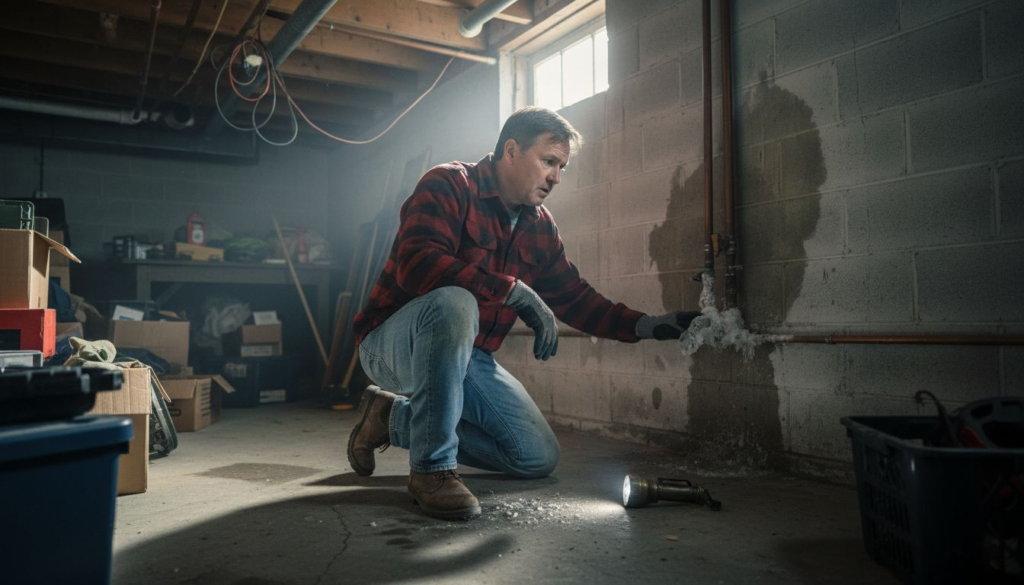
Leaks can occur in numerous locations throughout your home plumbing system including under sinks, around toilets, near water heaters, and within walls. Visual inspection is your first line of defense. Look for telltale signs such as water stains, warped flooring, discolored walls, or unexplained moisture patches.
Modern leak detection relies on sophisticated techniques. Hydrostatic testing methods allow professionals to assess pipe integrity by pressurizing systems and identifying potential weak points. These advanced approaches help pinpoint even microscopic leaks that might go unnoticed during basic visual checks.
For homeowners in Belleville, Illinois, regular leak inspections are crucial. Water loss from undetected leaks can lead to substantial utility expenses and potential structural damage. Focus on high risk areas like bathroom fixtures, kitchen sinks, and connections behind appliances where moisture tends to accumulate.
To perform a comprehensive leak inspection, start by checking exposed pipes for signs of corrosion, rust, or water droplets. Examine pipe joints and connections carefully. Use a flashlight to illuminate dark spaces under sinks and behind toilets. Listen for unexplained dripping sounds which could indicate hidden leaks.
Pro tip: Purchase a moisture meter to detect hidden water damage in walls and floors before it becomes a costly repair project.
2. Check Water Pressure Throughout Your Home
Water pressure plays a critical role in maintaining the efficiency and longevity of your home plumbing system. Understanding and monitoring your home’s water pressure can help prevent potential damage and ensure smooth water distribution.
Homeowners need to recognize that ideal water pressure typically ranges between 40 and 70 PSI. Pressure outside this range can signal underlying plumbing problems that require immediate attention. Too low pressure might indicate leaks or pipe blockages, while excessively high pressure could potentially damage pipes and fixtures.
To check water pressure, you will need a simple pressure gauge that connects directly to an outdoor spigot or hose bib. These affordable tools can be purchased at most hardware stores and provide an instant reading of your home’s water pressure. Turn off all water sources in your home before testing to ensure an accurate measurement.
Pressure variations can occur across different areas of your home. Check multiple fixtures including kitchen and bathroom faucets, showerheads, and outdoor spigots. Significant pressure differences between locations might suggest localized issues within your plumbing system that require professional inspection.
Regular pressure monitoring helps identify potential problems before they escalate into costly repairs. Watch for signs like inconsistent water flow, sputtering faucets, or unexplained changes in water pressure that could indicate developing plumbing issues.
Pro tip: Consider installing a water pressure regulator if your home consistently experiences pressure above 80 PSI to protect your plumbing infrastructure from potential damage.
3. Clean Drains and Prevent Clogs Regularly
Maintaining clear drains is crucial for preventing costly plumbing emergencies and ensuring your home’s water systems function smoothly. Regular drain maintenance can save you significant money and frustration by avoiding major blockages and potential water damage.
Understanding the causes of drain clogs helps homeowners develop effective prevention strategies. Hair, soap residue, food particles, and grease are the most common culprits that accumulate in pipes and create stubborn blockages. Chemical drain cleaners can help dissolve organic materials but should be used sparingly to avoid pipe damage.
Preventive maintenance is always more effective than reactive repairs. Install drain screens in sinks and showers to catch hair and debris before they enter your plumbing system. In the kitchen, avoid pouring cooking oils or coffee grounds down the drain. Run hot water through kitchen sinks after each use to help flush away potential buildup.
Implement a monthly drain cleaning routine using simple household tools. Pour boiling water down drains to help break up minor accumulations. For bathroom drains, use a mixture of baking soda and vinegar followed by hot water to naturally clean and deodorize pipes. These methods can help prevent blockages before they become serious problems.
Professional plumbers recommend annual comprehensive drain inspections to identify potential issues early. Advanced techniques like video pipe inspection can detect hidden problems that might not be visible through standard cleaning methods.
Pro tip: Keep a small mesh screen over every drain in your home and clean it weekly to dramatically reduce the risk of significant clogs.
4. Test Your Water Heater for Proper Function
Your home water heater is a critical system that requires regular testing and maintenance to ensure reliable hot water and prevent potential failures. Understanding how to check its performance can help you avoid unexpected breakdowns and expensive repairs.
Modern residential water heaters typically range from 40 to 50 gallons and come with important safety features designed to protect your home. Dual element electric water heaters utilize sequential heating mechanisms with built in safety controls that require periodic verification.
To test your water heater, start by checking the temperature and pressure relief valve. This safety mechanism prevents excessive pressure buildup that could cause tank rupture. Lift the valve lever and ensure water flows freely then releases without leaking. Listen for any unusual sounds when the water heater operates and monitor water temperature consistency.
Visual inspection is equally important. Look for signs of corrosion around connections, check for water pooling near the base, and examine the tank exterior for rust or deterioration. Sediment buildup can significantly reduce heating efficiency, so consider draining and flushing the tank annually to maintain optimal performance.
Electric water heaters have specific diagnostic procedures including testing heating elements and thermostats. For gas water heaters, verify the pilot light is functioning correctly and inspect the gas line connections for potential leaks. When in doubt, consult a professional plumber to conduct a comprehensive system evaluation.
Pro tip: Invest in a water heater blanket for older units to improve energy efficiency and reduce heat loss during colder months.
5. Examine Toilets for Hidden Leaks or Running
Toilet leaks can waste significant amounts of water and substantially increase your utility bills without you even noticing. Identifying and addressing these hidden issues is crucial for maintaining an efficient home plumbing system.
Most toilet leaks occur in the tank mechanism where components like the flapper valve and fill valve can deteriorate over time. Detecting hidden leaks involves several strategic methods, including a simple dye test that helps homeowners quickly diagnose potential problems.
To perform the dye test, add several drops of food coloring into the toilet tank and wait 15 minutes without flushing. If color appears in the toilet bowl during this time, you have a leak allowing water to flow continuously from the tank to the bowl. This indicates that the flapper valve is not sealing properly and needs replacement.
Listen carefully for sounds of running water when the toilet is not in use. Continuous trickling or hissing indicates internal leakage that can waste hundreds of gallons monthly. Check the water level in the tank to ensure it sits below the overflow tube and that the fill valve stops water flow at the correct height.
Inspect the base of the toilet for signs of water damage or moisture. Loose toilet seals can cause water to leak onto the floor, potentially leading to serious structural damage if left unaddressed. Look for discoloration on the floor around the toilet base or soft spots in the surrounding flooring material.
Pro tip: Replace toilet components like flappers and fill valves every 4 to 5 years to prevent unexpected leaks and maintain optimal water efficiency.
6. Insulate Pipes to Prevent Freezing in Winter
Winter in Belleville, Illinois brings challenging temperatures that can wreak havoc on unprotected plumbing systems. Pipe insulation is your first line of defense against costly freezing damage that could lead to burst pipes and extensive home repairs.
Pipes located in vulnerable areas such as exterior walls, crawl spaces, and attics are most susceptible to freezing. Preventing pipe freezing requires strategic insulation techniques that create a protective barrier against extreme cold temperatures.
Start by identifying exposed pipes throughout your home. Use foam pipe insulation sleeves or heat tape to wrap vulnerable sections. Pay special attention to pipes near windows, outside walls, and in unheated spaces. Ensure complete coverage without leaving any sections exposed to cold air.
In addition to insulation, maintain a consistent indoor temperature. Keep your home heated to at least 55 degrees Fahrenheit during winter, even when you are away. Allow faucets to drip slightly during extreme cold spells to keep water moving and reduce freezing risk. Open cabinet doors under sinks to allow warm air circulation around pipes.
For outdoor faucets, install frost free spigots and disconnect garden hoses before winter arrives. Drain and winterize irrigation systems to prevent water from remaining in pipes that could potentially freeze and expand.
Pro tip: Invest in insulation with a high R value and seal any air leaks near pipe locations to maximize your winter protection strategy.
7. Know When to Call a Professional Plumber
Understanding the boundaries between DIY plumbing repairs and professional intervention can save you significant time, money, and potential home damage. Not all plumbing issues are suitable for homeowner troubleshooting, and recognizing when to call an expert is a crucial skill.
Licensed plumbers are essential for complex repairs that involve specialized knowledge or potential safety risks. Situations requiring professional help include major pipe leaks, sewer line problems, gas line work, water heater installations, and any repairs involving multiple interconnected systems.
Some clear indicators that you need professional assistance include persistent leaks that cannot be resolved with simple fixes, unexplained water pressure changes, sewage backups, strange noises from pipes, and water discoloration. If you notice water damage spreading, mold growth near plumbing fixtures, or suspect hidden pipe issues, a professional plumber can perform diagnostic tests and provide comprehensive solutions.
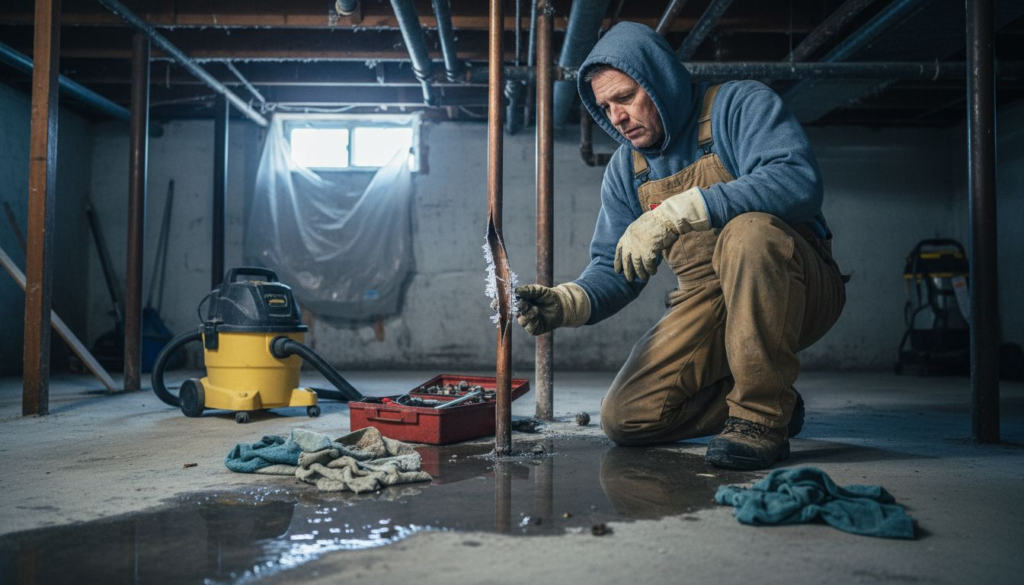
Emergency scenarios demand immediate professional intervention. Burst pipes, significant flooding, complete loss of water pressure, or any situation involving potential gas leaks require urgent expert attention. In these cases, your priority should be shutting off main water or gas supplies and contacting a licensed plumber immediately.
Professional plumbers bring specialized tools, technical expertise, and an understanding of local building codes that most homeowners lack. They can diagnose underlying issues, provide long term solutions, and ensure repairs meet safety standards and legal requirements.
Pro tip: Maintain a list of reputable local plumbers and their emergency contact information before an actual plumbing crisis occurs.
Below is a comprehensive table summarizing the main plumbing maintenance practices and strategies discussed throughout the article.
| Topic | Details | Benefits |
|---|---|---|
| Inspect for Leaks | Regularly check pipes, sinks, and fixtures for visible moisture or damage. | Prevents water loss and reduces utility expenses. |
| Check Water Pressure | Use a gauge to measure your home’s water pressure regularly. | Ensures optimal plumbing efficiency and avoids potential damage. |
| Clean Drains | Implement preventive measures and regular cleaning to maintain clear drains. | Avoids costly blockages and ensures efficient water flow. |
| Test Water Heater | Conduct yearly inspections and flush the tank to remove sediment. | Maintains reliable hot water supply and energy efficiency. |
| Examine Toilets | Perform dye tests and listen for water running without use. | Prevents water wastage and identifies hidden leaks early. |
| Insulate Pipes | Use foam insulation or heat tape in cold-prone areas of your home. | Protects pipes during winter and prevents freezing damage. |
| Seek Professional Help | Consult licensed plumbers for complex or emergency scenarios. | Ensures safety and reliable resolution of plumbing issues. |
Keep Your Plumbing System in Top Shape with Expert Help
Maintaining your home plumbing can feel overwhelming when facing challenges like hidden leaks, fluctuating water pressure, stubborn clogs, or frozen pipes. This article highlighted key issues such as detecting leaks early, regulating water pressure, and preventing winter pipe damage—problems that can cause serious stress and costly repairs if unattended. Don’t let plumbing worries affect your comfort or drain your budget.
Davinroy Plumbing specializes in handling these exact issues with trusted solutions for hot water tank service, toilet repairs, and frozen pipe prevention in Belleville, Illinois. Whether you need help inspecting leaks or restoring proper water pressure, our licensed professionals provide reliable service and peace of mind every step of the way.
Trust us to safeguard your plumbing infrastructure and keep your home functioning smoothly.
Ready to protect your home from costly plumbing problems? Visit Davinroy Plumbing today and take advantage of expert maintenance and repair services designed to catch issues before they escalate.
Learn more about our toilet repair and hot water tank services to keep your entire system running efficiently. Don’t wait for an emergency Act now to ensure your plumbing is safe, efficient, and worry-free.
Frequently Asked Questions
What are the essential steps for plumbing maintenance?
Effective plumbing maintenance includes inspecting for leaks, checking water pressure, cleaning drains, testing the water heater, examining toilets for hidden leaks, insulating pipes, and knowing when to call a professional plumber. Start by regularly reviewing these areas to prevent costly repairs.
How can I detect leaks in my plumbing system?
To detect leaks, visually inspect pipes and fixtures for water stains or moisture. Additionally, consider using a moisture meter in areas like walls or floors to identify hidden leaks early, ideally checking these spots at least once a month.
Why is it important to check my water pressure regularly?
Regularly checking your water pressure helps prevent damage to your plumbing system and ensures efficient operation. Use a pressure gauge to measure the pressure at various fixtures, ideally doing this every few months to identify any unusual fluctuations.
How often should I clean my drains to prevent clogs?
It’s recommended to clean your drains at least once a month to prevent clogs caused by hair, grease, and debris. Implement a simple routine, such as pouring boiling water or using a baking soda and vinegar mixture, to maintain clear drains.
When should I consider replacing components in my toilet?
Toilet components like flappers and fill valves should typically be replaced every 4 to 5 years to prevent leaks and maintain efficiency. Regularly check for signs of wear or leaks, and replace these components as needed to save on water bills.
How do I know when to call a professional plumber?
Call a professional plumber when you encounter persistent leaks, sewage backups, or any issues that involve gas lines. If you notice significant changes in water pressure or hear unusual sounds from your plumbing, seek professional help to avoid further damage.
Recommended
- What Is Plumbing and Why It Matters Locally
- Toilet Troubles? Home Depot’s Unclogging Tips to the Rescue! – Davinroy Plumbing and Mechanical
- When Your Garbage Disposal Needs a Lifeline: Emergency Repair Solutions – Davinroy Plumbing and Mechanical
- Don’t Get Soaked: Best Water Leak Detectors Reviewed – Davinroy Plumbing and Mechanical