Every winter, American households in Belleville face costly burst pipes when temperatures plunge, with repairs sometimes exceeding thousands of dollars in a single freeze event. For local homeowners, the risk of pipe damage goes far beyond inconvenience, often bringing destructive water leaks and extensive cleanup. Understanding what causes pipes to freeze—and how to prevent it—can help protect your investment and keep your home safe as Illinois winter hits hard.
Table of Contents
- What Causes Pipes to Freeze
- Types of Pipes Most Vulnerable to Freezing
- How Freezing Damages Plumbing Systems
- Warning Signs and Immediate Risks
- Prevention Methods for Homeowners
- Common Mistakes and How to Avoid Them
Key Takeaways
| Point | Details |
|---|---|
| High-Risk Areas | Pipes in unheated spaces like basements, attics, and garages are most susceptible to freezing. Proper insulation is essential in these locations to mitigate risks. |
| Material Vulnerability | Copper and galvanized steel pipes are particularly prone to damage from freezing due to their rigidity. Understanding the material’s properties can guide preventive measures. |
| Warning Signs | Noticeable frost on pipes and reduced water flow are early indicators of potential freezing, requiring immediate homeowner action to prevent damage. |
| Prevention Strategies | Comprehensive insulation, sealing drafts, and maintaining consistent indoor temperatures can effectively prevent freezing pipes during cold weather. |
What Causes Pipes to Freeze
Pipes freeze due to a complex interaction between temperature, water dynamics, and specific environmental conditions. When temperatures drop significantly, water inside pipes can transform from liquid to solid, causing dangerous expansion and potential pipe rupture. Freezing risks vary across exposed pipe locations, making some areas more vulnerable than others.
Certain pipe locations dramatically increase freezing probability. Pipes in unheated spaces like basements, crawl spaces, attics, and garages face the highest risk. Exterior walls with minimal insulation create cold zones where water pipes can quickly drop below freezing temperatures. Both hot and cold water lines are susceptible when they lack adequate thermal protection. Pipes running against exterior walls, near windows, or in poorly insulated areas become prime candidates for freezing.
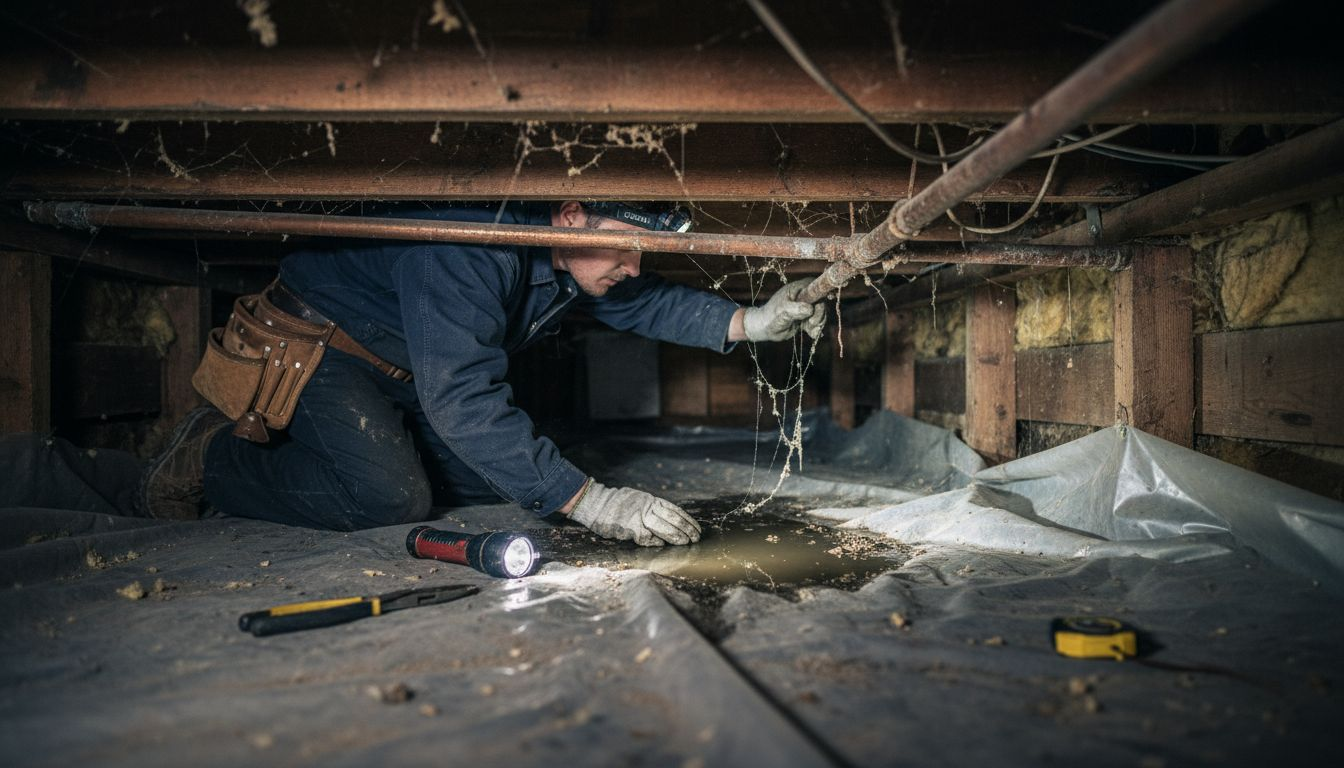
The physics behind pipe freezing involves water’s unique molecular behavior. As temperatures decrease, water molecules slow down and begin to form crystalline structures. When water temperature reaches 32 degrees Fahrenheit, it starts expanding—creating immense internal pressure. This expansion can generate pressures up to 2,000 pounds per square inch, which easily overwhelms pipe materials. Pipe vulnerability depends on materials and insulation quality, with some materials like copper being more prone to rapid temperature changes.
Pro tip: Invest in foam pipe insulation sleeves for exposed pipes in unheated areas, which can reduce freezing risks by up to 70 percent and cost less than $5 per linear foot.
Types of Pipes Most Vulnerable to Freezing
Certain pipe types and locations dramatically increase the likelihood of freezing during cold weather. Pipes in unheated interior spaces represent the highest risk category, particularly those running through basements, crawl spaces, attics, and garages. These areas typically lack sufficient insulation and ambient warmth, creating ideal conditions for pipe freezing.
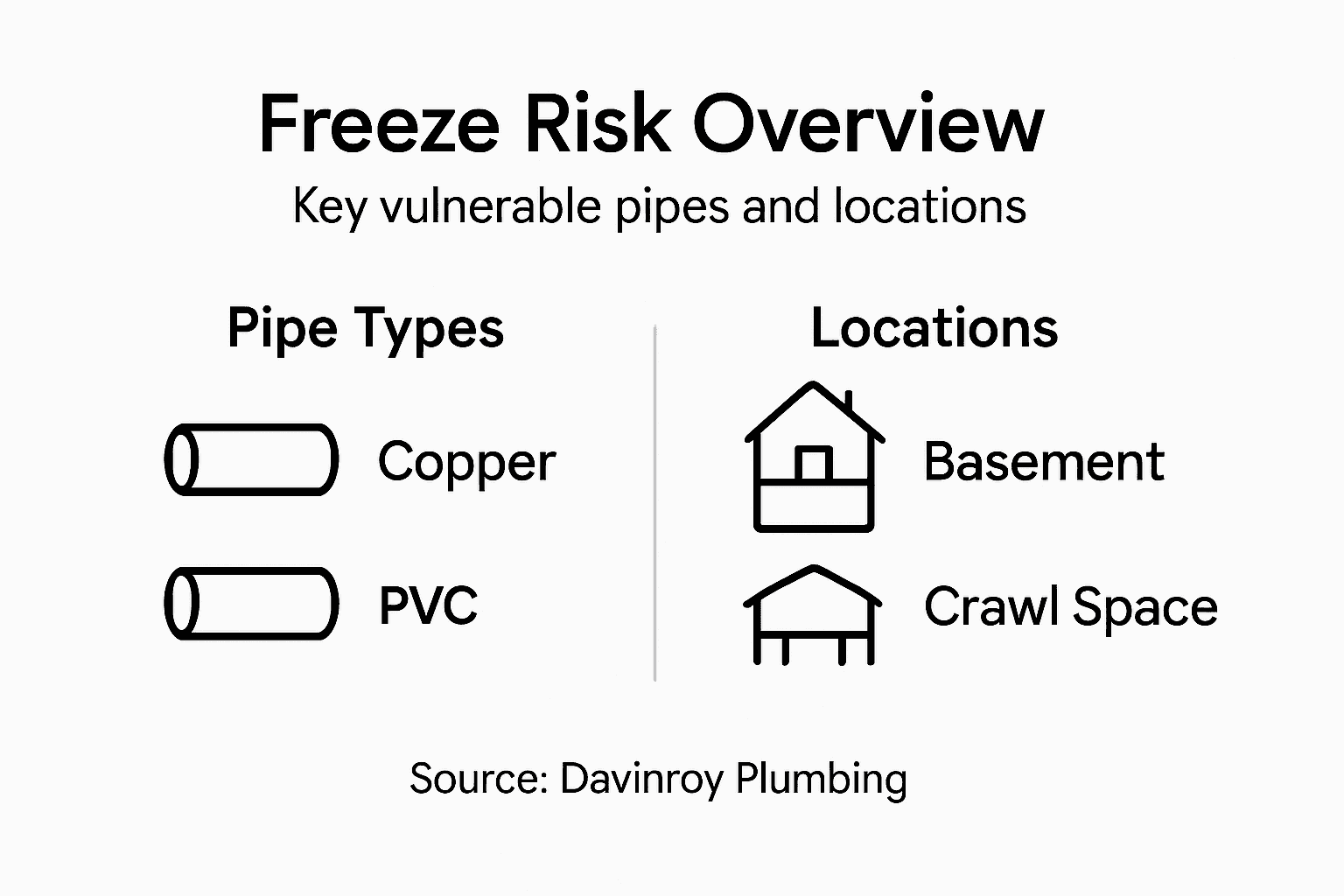
Outdoor water lines pose significant freezing challenges. Pipes connected to exterior features like garden hoses, swimming pool supply lines, and sprinkler systems are extremely vulnerable to temperature drops. Exterior wall pipes are especially prone to freezing, particularly when they have minimal insulation or are located near windows where cold air can penetrate. Copper pipes, due to their high thermal conductivity, tend to freeze more quickly than other materials.
Pipe vulnerability isn’t limited to cold water lines. Both hot and cold water supply pipes in unheated or poorly insulated areas can freeze when temperatures plummet. Water lines near cold drafts face increased risk, especially in older homes with less sophisticated insulation techniques. Homes in regions with inconsistent winter temperatures are particularly susceptible, as rapid temperature fluctuations can stress pipe materials and increase freezing potential.
Pro tip: Wrap pipes in foam insulation sleeves and use heat tape in particularly vulnerable areas to create an additional thermal barrier against freezing temperatures.
How Freezing Damages Plumbing Systems
Freeze-thaw cycles create devastating consequences for residential plumbing systems. When water transforms into ice, it undergoes a critical molecular expansion that generates immense internal pressure. This pressure can exceed the structural capacity of pipes, causing microscopic cracks, significant ruptures, and complete pipe failures. The expansion occurs with remarkable force, potentially generating pressures up to 2,000 pounds per square inch.
The damage mechanism extends beyond initial freezing. Repeated freeze-thaw cycles progressively weaken pipe materials, creating cumulative structural vulnerabilities. Pipe material plays a crucial role in determining freeze damage potential. Copper and galvanized steel pipes are particularly susceptible, with their rigid structures offering less flexibility during temperature fluctuations. Plastic pipes, while more resilient, can still experience significant stress and potential cracking when subjected to prolonged freezing conditions.
Here is a summary of pipe materials and their vulnerabilities to freezing and damage:
| Pipe Material | Freezing Vulnerability | Damage Potential |
|---|---|---|
| Copper | High: rapid heat loss | Prone to rupture |
| Galvanized Steel | Moderate: rigid structure | Pipes may crack |
| Plastic (PVC/PEX) | Lower: flexible, insulates | Can split under stress |
| Lead | High: old and brittle | Severe burst risk |
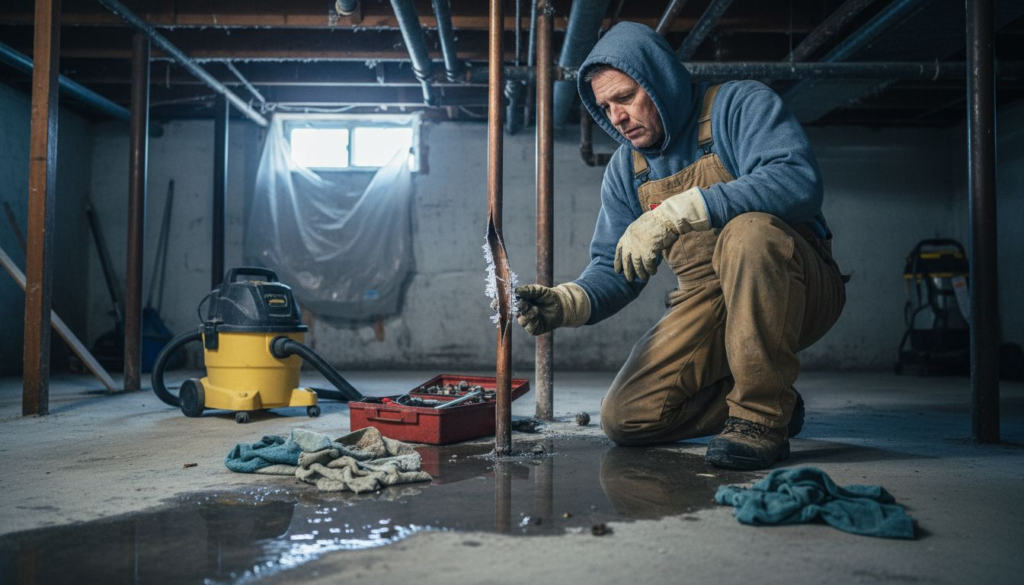
When pipes burst, the consequences extend far beyond simple pipe replacement. Water damage from burst pipes can devastate home interiors, destroying walls, flooring, electrical systems, and personal belongings. A single burst pipe can release hundreds of gallons of water within hours, leading to potential mold growth, structural deterioration, and thousands of dollars in repair costs. Unheated spaces like basements, crawl spaces, and attics remain particularly vulnerable to these catastrophic plumbing failures.
Pro tip: Install water leak detection sensors in high-risk areas to provide early warning and automatically shut off water supply before extensive damage occurs.
Warning Signs and Immediate Risks
Frozen pipe warning signs demand immediate homeowner attention. Reduced water flow or complete water stoppage from faucets represents the most critical early indicator of potential pipe freezing. Homeowners might notice a dramatic change in water pressure, with faucets producing only a weak trickle or no water at all. These symptoms suggest ice blockage within the plumbing system and require swift, strategic intervention to prevent catastrophic pipe damage.
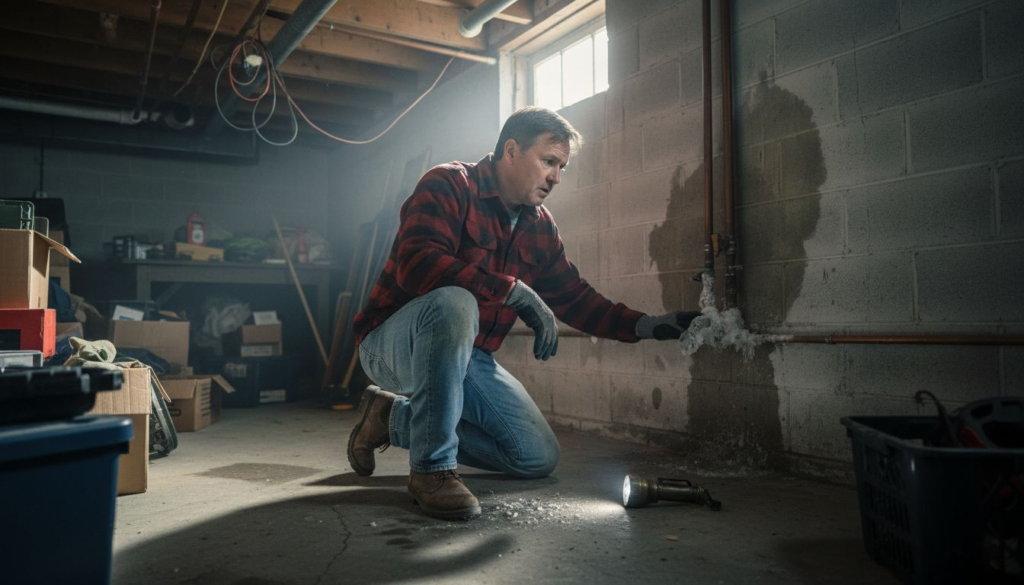
The physical characteristics of potentially frozen pipes include visible frost accumulation on exterior pipe surfaces, unusual condensation, or a distinct cold sensation when touching pipe sections. Pipe temperature becomes a crucial diagnostic factor. Some sections might feel significantly colder than surrounding areas, indicating potential ice formation. Advanced warning signs include unusual sounds like cracking or expanding noises within walls, which suggest ice placing extreme pressure on pipe materials.
Immediate risks extend far beyond simple water inconvenience. Burst pipe consequences can trigger extensive property destruction, including structural damage, electrical system compromise, and potential mold growth. A single burst pipe can release hundreds of gallons of water within minutes, transforming a minor plumbing issue into a major home restoration project. Unheated spaces like basements, crawl spaces, and attics remain particularly vulnerable zones where rapid, uncontrolled water release can occur.
Pro tip: Keep a infrared thermometer in your home emergency kit to quickly identify temperature variations along pipe sections and detect potential freezing zones before significant damage occurs.
Prevention Methods for Homeowners
Pipe insulation strategies represent the first line of defense against winter plumbing damage. Homeowners should focus on comprehensive protection techniques, beginning with thorough pipe insulation in vulnerable areas like basements, attics, and crawl spaces. Foam pipe sleeves, heat tape, and fiberglass insulation provide critical thermal barriers that prevent rapid temperature drops. Insulation thickness matters significantly, with recommendations ranging from 1/2 inch to 2 inches depending on pipe location and exposure.
Draft elimination plays a crucial role in preventing pipe freezing. Sealing windows, doors, and wall penetrations blocks cold air infiltration that can dramatically lower pipe temperatures. Homeowners should apply weatherstripping, caulk, and expandable foam to close potential air entry points. Opening cabinet doors near interior plumbing allows warm household air to circulate, providing an additional thermal buffer. Maintaining consistent indoor temperatures—ideally no lower than 55 degrees Fahrenheit—helps prevent sudden temperature fluctuations that stress plumbing systems.
Seasonal preparation requires strategic external maintenance. Winterizing exterior water sources involves disconnecting garden hoses, draining irrigation systems, and protecting outdoor faucets with insulated covers. During extreme cold periods, allowing faucets to maintain a slow, steady drip can prevent ice formation by keeping water moving. For homeowners planning extended absences, setting thermostats no lower than 55 degrees and arranging property monitoring can prevent potential catastrophic freezing incidents.
Pro tip: Create a winter plumbing emergency kit with pipe insulation materials, heat tape, an infrared thermometer, and emergency shut-off valve information to quickly respond to potential freezing situations.
Compare key pipe insulation methods and their effectiveness:
| Method | Cost Range | Effectiveness | Best Used In |
|---|---|---|---|
| Foam Sleeves | $2-$5/foot | Reduces risk by 70% | Basements, crawl spaces |
| Heat Tape | $15-$40/roll | Prevents freezing | Attics, exterior walls |
| Fiberglass Wrap | $5-$10/foot | High thermal barrier | Garages, outdoor pipes |
| Weatherstripping | $5-$20/window | Blocks cold drafts | Cabinet areas, windows |
Common Mistakes and How to Avoid Them
Homeowner winter pipe protection requires understanding critical mistakes that dramatically increase freezing risks. Many homeowners unknowingly compromise their plumbing systems through seemingly innocent actions. Turning down thermostats too aggressively during cold spells can create catastrophic temperature drops that overwhelm pipe insulation. Temperature management becomes crucial, with experts recommending maintaining indoor temperatures no lower than 55 degrees Fahrenheit, even during extended absences.
Incorrect thawing techniques represent another significant danger zone for homeowners. Using open flames, propane torches, or electrical devices like space heaters directly on frozen pipes can cause irreparable damage. These methods risk not only pipe rupture but potential electrical fires or structural damage. Professional plumbers emphasize gentle, controlled thawing techniques using hair dryers, heating pads, or professional heat tape designed specifically for pipe restoration. The key is gradual, consistent warming that prevents sudden thermal shock to pipe materials.
Neglecting external pipe vulnerabilities creates systemic risks beyond indoor environments. Failing to disconnect garden hoses, drain irrigation systems, and seal exterior wall penetrations leaves pipes exposed to extreme cold. Homeowners often overlook small draft sources like electrical outlets, cable entries, and window frames that can introduce devastating cold air currents. Strategic insulation, weatherstripping, and proactive maintenance can mitigate these hidden risk factors and prevent costly winter plumbing emergencies.
Pro tip: Create a digital temperature monitoring system with smartphone alerts that track pipe and room temperatures, providing real-time warnings before freezing becomes critical.
Protect Your Home from Frozen Pipe Disasters with Davinroy Plumbing
Frozen pipes can cause severe stress and costly damage to your home during winter months. The article highlights the risks of pipe bursts due to ice expansion and emphasizes the importance of insulation, temperature control, and timely intervention to avoid devastating water damage. If you worry about burst pipes, reduced water flow, or visible frost on your plumbing, your home needs professional care focused on preventing these emergency situations.

Davinroy Plumbing understands the urgent need for expert frozen pipe repair and preventative plumbing services in Belleville, Illinois. We offer reliable solutions including pipe insulation, leak detection, and emergency repairs designed to protect your home against winter plumbing failures. Don’t wait for a pipe burst to cause thousands of dollars in damage. Take action now by contacting Davinroy Plumbing to schedule your winter plumbing protection service. Learn more about our trusted frozen pipe repair services and keep your water flowing safely all season long.
Frequently Asked Questions
What causes pipes to freeze in winter?
Pipes freeze due to low temperatures, particularly when water inside them drops to 32 degrees Fahrenheit. This process involves water molecules slowing down and forming ice, which expands and creates high internal pressure, potentially leading to pipe ruptures.
How can I prevent my pipes from freezing during winter?
Preventing frozen pipes involves insulating them with foam sleeves, using heat tape, and sealing drafts around windows and doors. Keeping a consistent indoor temperature of at least 55 degrees Fahrenheit also helps protect against freezing.
What are the most vulnerable types of pipes to freezing?
Pipes located in unheated spaces like basements, attics, and exterior walls are especially vulnerable. Copper pipes freeze more quickly than other materials due to their high thermal conductivity. Both hot and cold water lines can also freeze if they lack proper insulation.
What should I do if I suspect my pipes are frozen?
If you suspect your pipes are frozen, look for decreased water flow or frost on pipe surfaces. It’s important to act quickly to thaw them gently with methods like using a hairdryer or heating pad. Avoid open flames, as they can cause damage or fire hazards.
Recommended
- Frozen Pipe Repair – Davinroy Plumbing and Mechanical
- What Is Plumbing and Why It Matters Locally
- Davinroy Plumbing and Mechanical
- Don’t Get Soaked: Best Water Leak Detectors Reviewed – Davinroy Plumbing and Mechanical
- 7 Effective Ways to Improve Home Heating – Skan Plumbing & Heating
- Heating System Repair Process: Step-by-Step for Homeowners