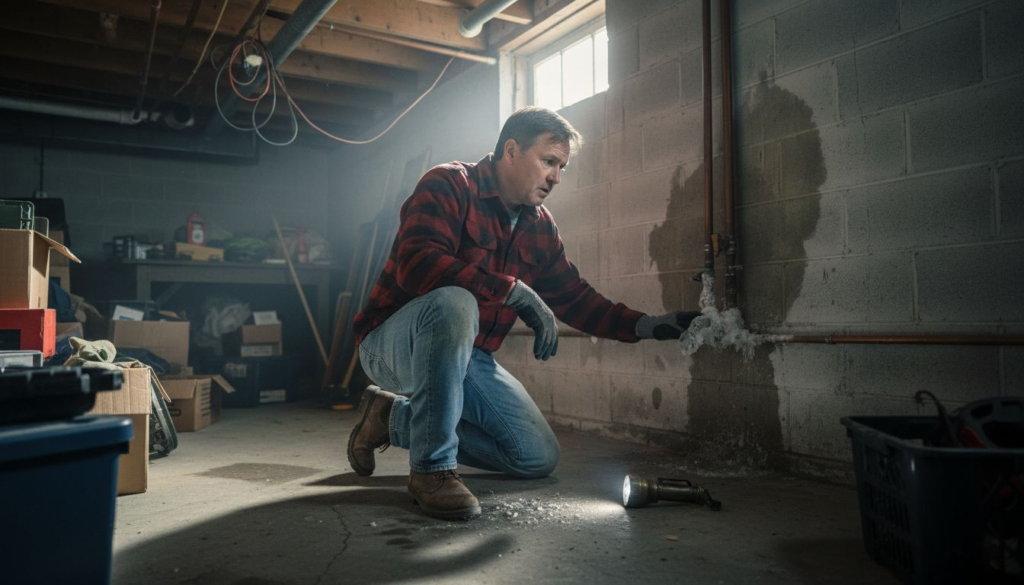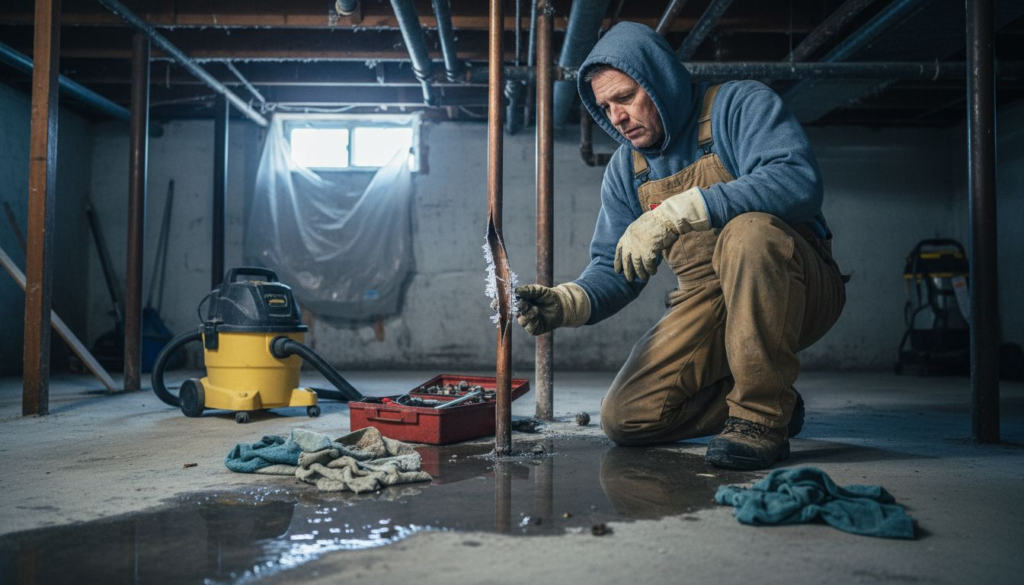
Frozen pipes threaten thousands of American homes each year, and Belleville is no exception when temperatures plunge in winter. Quick pipe freezing can cause catastrophic ruptures and property damage, often inside bathrooms, kitchens, or basements. Many homeowners believe only outdoor pipes freeze, yet interior plumbing is just as vulnerable. Discover surprising facts, debunk common myths, and learn proactive steps to protect your Belleville home before water damage strikes this season.
Table of Contents
- Frozen Pipes Explained And Common Myths
- Main Causes Of Frozen Pipes In Cold Climates
- Signs And Dangers Of A Frozen Pipe
- Immediate Steps To Take When Pipes Freeze
- Preventing Frozen Pipes In Belleville Homes
- When To Call Local Frozen Pipe Experts
Key Takeaways
| Point | Details |
|---|---|
| Risk of Frozen Pipes | Frozen pipes can occur in both exterior and interior locations, particularly in unheated spaces, and can lead to significant water damage if not prevented. |
| Common Myths | Many homeowners mistakenly believe running water prevents freezing and that only older homes are at risk; all pipe types can freeze under extreme cold. |
| Immediate Action | In the event of a frozen pipe, immediately shut off the main water valve and gently warm the affected area to mitigate damage. |
| Professional Help | Contact a plumber if you are unable to locate the frozen area or if signs of damage, like leaks, appear after thawing. |
Frozen Pipes Explained and Common Myths
Frozen pipes represent a significant winter risk for homeowners, especially in regions like Belleville, Illinois, where temperatures can plummet rapidly. When water inside pipes freezes, it expands, creating immense pressure that can cause catastrophic pipe ruptures. Understanding pipe freezing mechanisms helps homeowners prevent costly water damage.
Contrary to popular belief, pipes can freeze in multiple locations, not just outside. Interior pipes in unheated spaces like basements, attics, and crawl spaces are equally vulnerable. Pipe vulnerability extends beyond exterior walls, challenging the misconception that only outdoor plumbing is at risk. Pipes in kitchen cabinets, near exterior walls, and in poorly insulated areas can rapidly freeze when temperatures drop.
Several persistent myths about frozen pipes can lead homeowners to make dangerous assumptions. Some believe that running water prevents freezing, while others think only older homes experience pipe bursts. In reality, pipes of all ages and materials can freeze when exposed to sustained cold temperatures. Modern construction does not guarantee immunity from this winter hazard.
Here’s a comparison of common pipe materials and their freeze risk:
| Pipe Material | Freeze Susceptibility | Typical Locations | Recommended Protection |
|---|---|---|---|
| Copper | Moderate | Older homes, basements | Foam sleeves, heat tape |
| PVC | High | Exterior walls, garages | Insulation, heated spaces |
| PEX | Low | Modern homes, interior walls | Basic insulation, monitor temperature |
| Cast Iron | Moderate | Historic properties, crawl spaces | Inspect for cracks, add insulation |
Pro tip: Maintain your home’s interior temperature above 55°F and insulate vulnerable pipes with foam sleeves or heat tape to significantly reduce freezing risks.
Main Causes of Frozen Pipes in Cold Climates
In cold regions like Belleville, Illinois, understanding the primary causes of frozen pipes is crucial for homeowners. Temperature-related pipe vulnerabilities emerge when outdoor temperatures drop dramatically, particularly when they plunge below 20°F and remain consistently cold. Pipes located in unheated or poorly insulated spaces face the highest risk of freezing.
Multiple environmental factors contribute to pipe freezing. Exterior walls with minimal insulation, unheated spaces like basements and attics, and pipes near drafty windows create perfect conditions for water to freeze. Swimming pool supply lines, outdoor hose bibs, and sprinkler systems are especially vulnerable. Cold climate pipe risks increase when water remains stationary in drainage systems or when pipes are directly exposed to frigid air currents.
Homeowners often underestimate the complexity of pipe freezing. It is not simply about exterior temperatures but also about the specific location and insulation of plumbing infrastructure. Pipes running through interior walls, especially those adjacent to exterior walls, can rapidly freeze during sudden temperature drops. The material of the pipe, its proximity to heat sources, and the overall home’s thermal envelope all play critical roles in determining freeze potential.
Pro tip: Invest in pipe insulation sleeves and maintain consistent indoor heating to create a protective barrier against potential pipe freezing in vulnerable areas of your home.
Signs and Dangers of a Frozen Pipe
Identifying frozen pipes early is critical for homeowners in cold climates like Belleville, Illinois. Recognizing early warning signs can prevent catastrophic water damage and expensive repairs. The most immediate indicators include significantly reduced water pressure, complete water flow stoppage at specific faucets, and visible frost accumulation on exposed pipes.
The potential dangers of frozen pipes extend far beyond temporary inconvenience. When water freezes, it expands with tremendous force, creating immense pressure inside pipe walls that can cause sudden, catastrophic ruptures. Pipe damage risks include extensive flooding, structural damage to walls and foundations, and potential mold growth that can compromise home safety and indoor air quality. A single burst pipe can release hundreds of gallons of water, causing thousands of dollars in property damage within minutes.
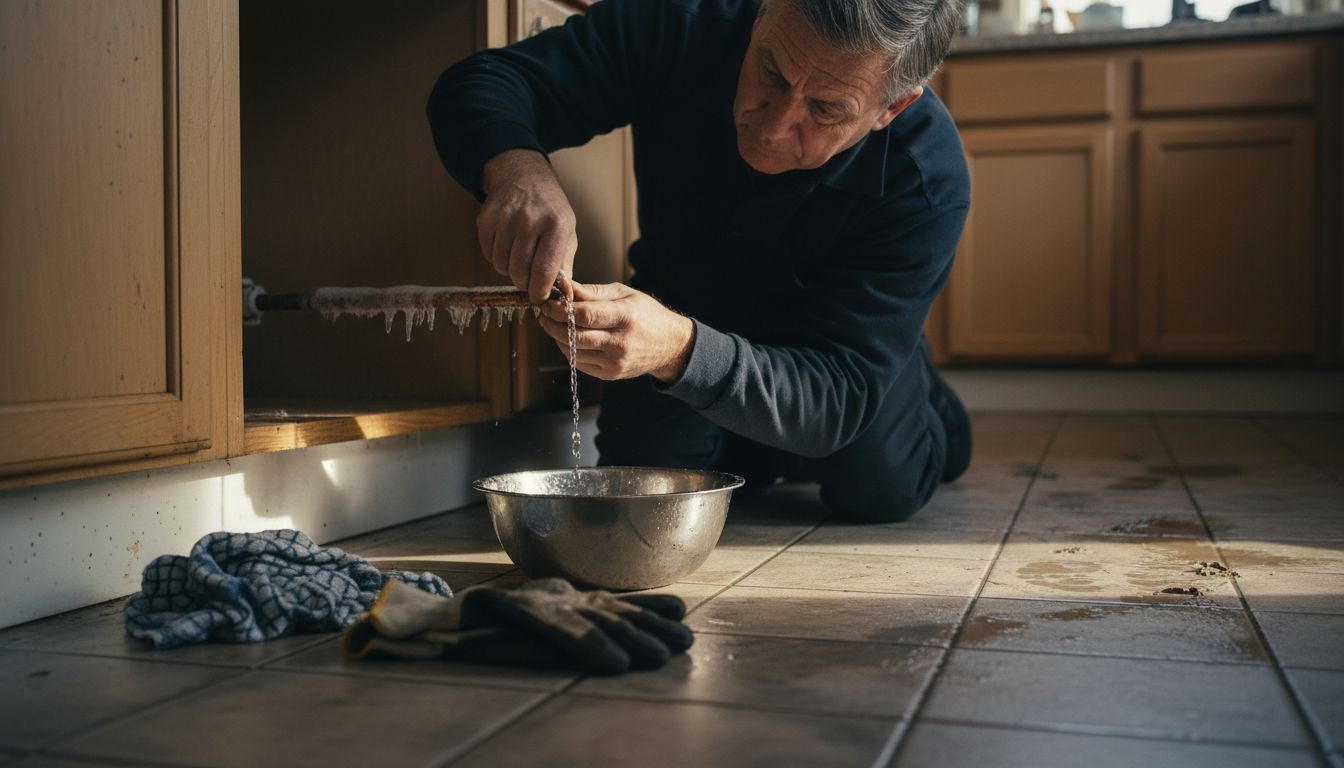
Visual and physical inspection plays a crucial role in detecting potential pipe freezing. Homeowners should look for pipes that feel unusually cold to the touch, appear swollen or misshapen, or show visible condensation and frost. Interior walls near exterior surfaces, basement pipes, and plumbing in unheated areas like garages represent high-risk zones. Pay special attention to pipes near windows, exterior walls, and in spaces with minimal insulation where temperature fluctuations are most extreme.
For quick reference, here are the major warning signs of frozen pipes and their potential consequences:
| Warning Sign | What It Indicates | Possible Damage | Suggested Immediate Action |
|---|---|---|---|
| No water flow | Complete freeze | Pipe rupture risk | Shut off main valve, inspect |
| Visible frost | Cold surface, possible ice | Structural integrity loss | Begin gentle thawing |
| Swollen pipe | Expansion due to ice | Imminent burst | Seek professional help |
| Reduced pressure | Partial freeze | Slow leaks, internal strain | Monitor, test temperature |
Pro tip: Keep a infrared thermometer on hand to quickly check pipe surface temperatures and identify potential freezing risks before damage occurs.
Immediate Steps to Take When Pipes Freeze
When facing frozen pipes in Belleville’s harsh winters, homeowners must act quickly and strategically. Emergency pipe thawing procedures can mean the difference between minor inconvenience and major water damage. The first critical step is identifying the frozen pipe section and immediately shutting off the main water valve to prevent potential flooding if the pipe ruptures.
Gentle heating techniques are essential for safely thawing frozen pipes. Use a hairdryer, heating pad, or warm towels to gradually increase pipe temperature, being careful to avoid open flames or extreme heat sources that could cause sudden pipe damage. Start warming the pipe closest to the faucet and work your way toward the coldest section. Open affected faucets slightly to allow water to flow as the ice melts, which helps relieve internal pressure and supports the thawing process.
Recognizing when professional intervention is necessary is crucial. If you cannot locate the frozen pipe section, cannot safely thaw the pipe, or notice any signs of pipe damage, immediate professional assistance becomes paramount. Professional plumbers have specialized equipment to detect and resolve frozen pipe issues without risking further damage to your home’s plumbing infrastructure. They can also provide expert guidance on preventing future freezing and protecting your pipes during extreme cold spells.
Pro tip: Keep a digital infrared thermometer and emergency pipe insulation wrap in your home maintenance kit to quickly respond to potential pipe freezing situations.
Preventing Frozen Pipes in Belleville Homes
Belleville homeowners face unique challenges when protecting plumbing infrastructure during harsh winter months. Comprehensive pipe protection strategies are essential for preventing costly water damage and maintaining home safety. The most critical approach involves a multi-layered defense targeting vulnerable pipes in unheated spaces like basements, attics, and crawl spaces.
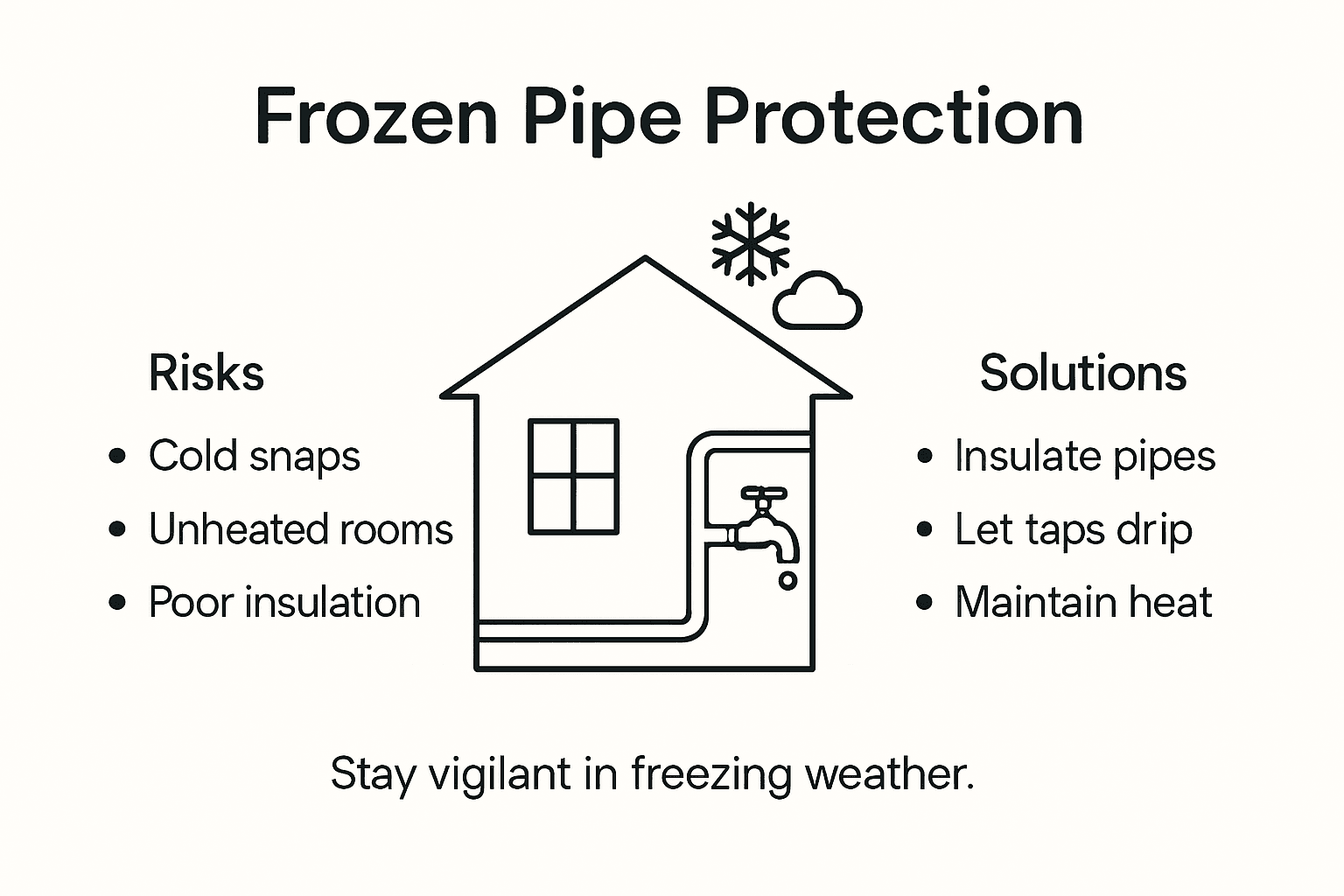
Insulation represents the first line of defense against pipe freezing. Homeowners should focus on wrapping pipes with foam sleeves or heat tape, particularly those located near exterior walls or in areas with minimal thermal protection. Sealing air leaks around windows, doors, and foundation walls helps prevent cold drafts that can rapidly drop pipe temperatures. Additionally, maintaining consistent indoor temperatures above 55°F and allowing periodic water circulation can significantly reduce freezing risks.
Specific preventative techniques tailored to Belleville’s climate include disconnecting outdoor hoses, draining irrigation systems, and opening cabinet doors to allow warm air circulation around interior plumbing. Strategic winter plumbing preparations can make the difference between a minor inconvenience and a potentially catastrophic home repair scenario. Proactive homeowners should also consider installing additional insulation in attics and wall cavities to create a more comprehensive thermal barrier.
Pro tip: Create a winter plumbing protection checklist and schedule annual professional pipe inspections to identify and address potential vulnerabilities before the coldest months arrive.
When to Call Local Frozen Pipe Experts
Belleville homeowners must recognize critical moments when professional intervention becomes essential for frozen pipe situations. Emergency plumbing intervention scenarios demand swift and strategic decision-making to prevent extensive water damage. Professional plumbers should be contacted immediately when homeowners cannot locate the precise frozen pipe section, lack appropriate thawing tools, or suspect potential structural pipe damage.
Certain warning signs indicate the urgent need for expert assistance. If repeated attempts to thaw pipes fail, water pressure remains consistently low, or visible leaks emerge after initial thawing, professional intervention becomes critical. Experienced plumbers possess specialized thermal imaging equipment and diagnostic tools that can precisely identify hidden pipe vulnerabilities, preventing potential catastrophic failures that amateur attempts might exacerbate.
The complexity of modern plumbing systems requires nuanced expertise, especially in older Belleville homes with intricate piping configurations. Professional frozen pipe recovery strategies involve more than simple thawing—they include comprehensive system assessments, potential pipe replacements, and long-term prevention recommendations. Homeowners should prioritize professional evaluation when dealing with cast iron, copper, or polyvinyl pipes that have unique thermal expansion characteristics and potential structural weaknesses.
Pro tip: Maintain a local plumber’s emergency contact information saved in your phone and create a digital folder with your home’s plumbing system blueprints for quick reference during urgent situations.
Protect Your Belleville Home from Frozen Pipe Dangers Today
Frozen pipes can cause serious damage to your home with sudden bursts and flooding. If you have experienced reduced water pressure or visible frost on your pipes, you understand how critical it is to act before disaster strikes. Davinroy Plumbing specializes in frozen pipe repair services and offers expert solutions to safeguard your plumbing system during Belleville winters. Our team understands the importance of maintaining consistent home temperatures and properly insulating vulnerable pipes to prevent costly repairs.

Do not wait for a pipe to burst and risk water damage to your home. Contact Davinroy Plumbing now for fast, professional help with frozen pipes. Visit Davinroy Plumbing to schedule your service or learn more about our plumbing services. Protect your home and your peace of mind by letting experienced professionals handle your frozen pipe concerns today.
Frequently Asked Questions
What are the main dangers of frozen pipes?
Frozen pipes can lead to catastrophic ruptures, resulting in extensive water damage, structural issues, and potential mold growth in your home.
How can I tell if my pipes are frozen?
Common signs of frozen pipes include reduced or no water flow from faucets, visible frost on pipes, and pipes that feel unusually cold or swollen to the touch.
What should I do if I suspect my pipes are frozen?
If you suspect frozen pipes, shut off the main water valve immediately, and gently heat the affected pipes using a hairdryer or heating pad. If you can’t locate the frozen section, contact a professional plumber.
How can I prevent my pipes from freezing in the winter?
To prevent frozen pipes, insulate vulnerable pipes, maintain a consistent indoor temperature above 55°F, seal drafts around windows and doors, and allow faucets to drip during extreme cold to keep water flowing.
Recommended
- Frozen Pipe Repair – Davinroy Plumbing and Mechanical
- What Is Plumbing and Why It Matters Locally
- Don’t Get Soaked: Best Water Leak Detectors Reviewed – Davinroy Plumbing and Mechanical
- Belleville’s Emergency Plumbing Heroes: A Quick Guide – Davinroy Plumbing and Mechanical
- Pipe Break Under Slab – Insurance Claim Damage Assistance
- How to Handle Heating Emergencies: Step-by-Step UK Guide – Skan Plumbing & Heating