Waking up to frozen pipes in the heart of an Illinois winter can leave any homeowner worried about costly repairs and unexpected water damage. When temperatures in Belleville drop suddenly, even pipes hidden in basements or behind kitchen cabinets can freeze and burst, thanks to water’s unique tendency to expand as it solidifies. This guide breaks down why certain pipes are at risk, tackles common misconceptions, and highlights key prevention methods so you can protect your home before cold weather strikes.
Table of Contents
- Frozen Pipes Defined And Common Misconceptions
- Which Pipes Freeze Most Often And Why
- Science Behind Freezing And Pipe Bursts
- Major Risks And Potential Water Damage
- Prevention Tips And Common Mistakes
Key Takeaways
| Point | Details |
|---|---|
| Understanding Frozen Pipes | Frozen pipes can cause significant damage and occur in both interior and exterior locations. Common misconceptions must be addressed to prevent damage. |
| High-Risk Areas | Pipes in unheated spaces, against exterior walls, and with minimal insulation are most vulnerable to freezing. |
| Prevention Strategies | Maintain indoor temperatures above 55°F, insulate vulnerable pipes, and disconnect outdoor hoses to reduce risks. |
| Potential Damage | A single burst pipe can lead to severe structural damage, mold growth, and substantial repair costs, emphasizing the importance of prevention. |
Frozen Pipes Defined and Common Misconceptions
Frozen pipes represent a significant winter hazard for homeowners, causing potential extensive damage to residential plumbing systems. Understanding what constitutes a frozen pipe and dispelling common myths is crucial for effective prevention and management.
A frozen pipe occurs when water inside a plumbing line drops below 32 degrees Fahrenheit, causing the liquid to solidify and expand. Water’s unique expansion properties create immense pressure that can potentially rupture pipes, regardless of their material or structural strength.
Contrary to popular belief, frozen pipes are not limited to exterior locations. Many homeowners mistakenly assume only outdoor pipes are vulnerable, but interior pipes in unheated areas like basements, crawl spaces, and attics are equally at risk. Pipes located against exterior walls with minimal insulation are especially susceptible to freezing.
Common misconceptions about frozen pipes include:
- Only outdoor pipes freeze
- Newer homes are immune to pipe freezing
- Pipe insulation is unnecessary in mild climates
- Frozen pipes will always burst immediately
The reality is that pipe freezing depends on multiple factors including temperature, insulation quality, and pipe location. Preventive measures emphasize maintaining consistent indoor temperatures and properly insulating vulnerable pipe sections.
Pro tip:Invest in affordable foam pipe insulation and spend time identifying potentially vulnerable pipes before winter temperatures arrive.
Which Pipes Freeze Most Often and Why
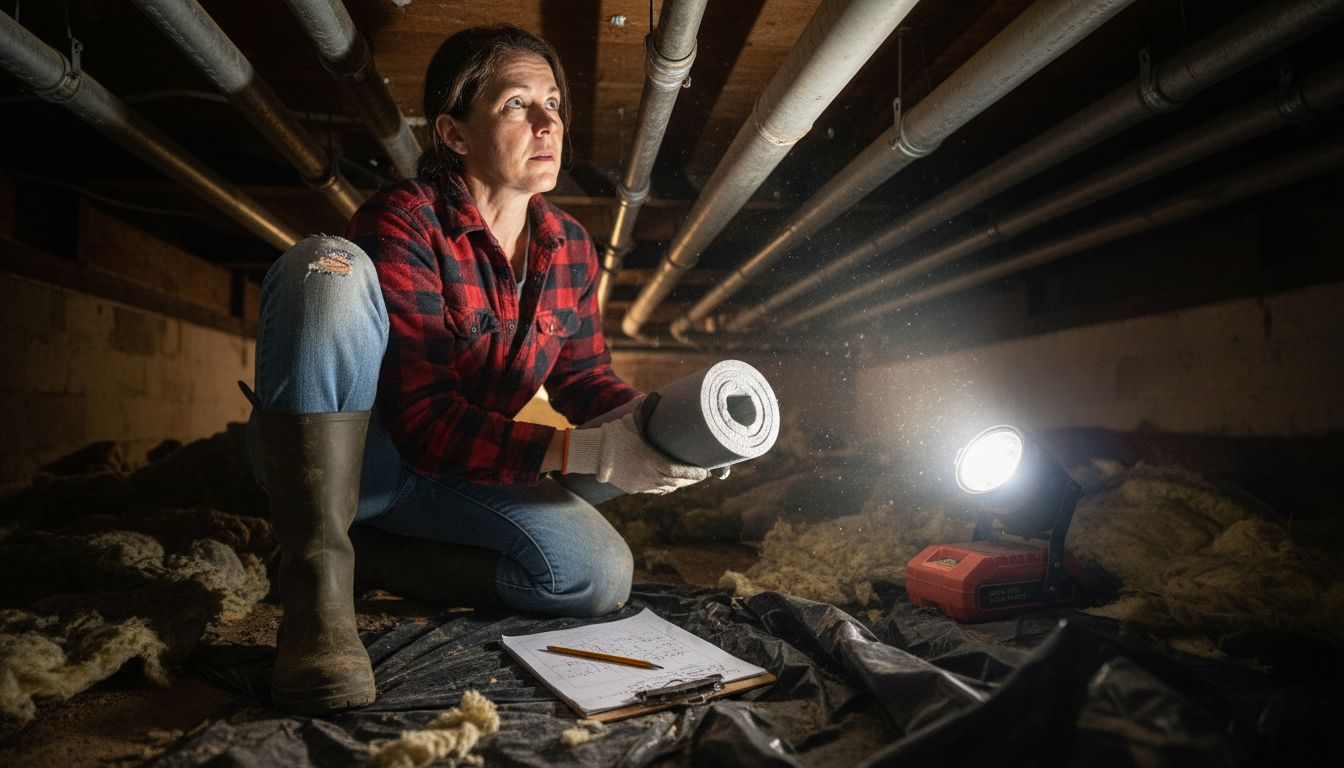
Understanding which pipes are most vulnerable to freezing is crucial for homeowners seeking to protect their plumbing systems during cold weather. Pipes in unheated spaces are particularly susceptible to temperature-related damage.
The most at-risk pipes are typically located in specific areas of a home that experience minimal heat or significant exposure to cold temperatures. These high-risk locations include:
- Outdoor hose bibs and water supply lines
- Pipes in unheated basements
- Crawl spaces and attic areas
- Pipes running along exterior walls
- Garage water lines
- Kitchen and bathroom cabinets against exterior walls
Pipe material and location play critical roles in freeze vulnerability. Metal pipes, especially those with thin walls, can freeze more quickly than other materials. Pipes with minimal insulation or those exposed to significant air drafts are at the highest risk of freezing and potential rupture.
Thermal factors contributing to pipe freezing include:
Here is a summary of factors affecting pipe freeze risk:
| Factor | Increases Risk | Reduces Risk |
|---|---|---|
| Pipe location | Unheated/outer wall areas | Central/heated spaces |
| Insulation quality | Minimal or missing | Thick, properly installed |
| Pipe material | Thin metal pipes | Thick-walled plastics |
| Home temperature | Below 55°F | Above 55°F, consistent |
| Air drafts | Significant cold air flows | Well-sealed surroundings |
- Ambient temperature below 32 degrees Fahrenheit
- Lack of proper insulation
- Direct exposure to cold air currents
- Insufficient home heating in specific areas
Pro tip:Conduct a thorough home inspection before winter to identify and insulate vulnerable pipe sections, potentially saving thousands in potential water damage repairs.
Science Behind Freezing and Pipe Bursts
The intricate science behind pipe freezing and bursting involves complex physical and thermal dynamics that can cause significant damage to residential plumbing systems. Water’s unique expansion properties create a destructive process that transforms liquid into a potentially devastating force.
When water freezes, it undergoes a remarkable transformation that defies typical material behaviors. Water expansion occurs at a rate of approximately 9%, creating immense internal pressure within pipe walls. This pressure can exceed the structural capacity of most pipe materials, leading to potential ruptures. The critical temperature point of 32 degrees Fahrenheit marks the beginning of this potentially destructive process.
Multiple factors contribute to pipe vulnerability during freezing conditions:
- Pipe material composition
- Wall thickness
- Age of the plumbing system
- Exposure to external temperature variations
- Insulation quality
- Proximity to exterior walls
The freeze-thaw cycle introduces additional complexity to pipe structural integrity. As water transitions between liquid and solid states, it creates microscopic stress points that can progressively weaken pipe walls. External environmental factors like soil conditions and temperature fluctuations further compound the risk of potential pipe failure.
Pro tip:Invest in thermal pipe sleeves and maintain consistent indoor temperatures to minimize the risk of catastrophic pipe damage during extreme cold periods.
Major Risks and Potential Water Damage
Homeowners face substantial financial and structural risks when frozen pipes rupture, creating a potential nightmare of extensive property damage. Water damage from burst pipes can quickly transform a minor plumbing issue into a catastrophic home repair scenario.
The potential consequences of frozen pipe failures extend far beyond simple water leakage. Structural damage can occur rapidly, with water infiltrating walls, floors, and ceilings. This moisture creates ideal conditions for dangerous mold growth, potentially compromising the home’s integrity and occupants’ health. The financial impact can be devastating, with repair costs ranging from thousands to tens of thousands of dollars.
Major risks associated with frozen pipe incidents include:
- Complete loss of water supply
- Extensive structural damage to walls and floors
- Potential electrical system complications
- Mold and mildew development
- Destruction of personal property
- Significant financial repair expenses
- Potential insurance claim complications
Beyond immediate physical damage, frozen pipes can disrupt daily life and create long-term challenges for homeowners. Water meters may be damaged, sanitation systems compromised, and emergency repairs can be both expensive and time-consuming. The cascading effects of a single burst pipe can create weeks or even months of home restoration work.
Use this reference to understand key consequences of frozen pipes:
| Impact Type | Example Outcome | Long-Term Concern |
|---|---|---|
| Structural damage | Collapsed ceilings and floors | Mold contamination |
| Water supply loss | No tap or shower function | Temporary displacement |
| Electrical issues | Shorted wiring in wet walls | Risk of house fires |
| Financial cost | Repairs above $10,000 | Insurance premium increases |
Pro tip:Maintain a list of emergency plumbing contacts and know the location of your home’s primary water shutoff valve to minimize potential damage during a pipe emergency.
Prevention Tips and Common Mistakes
Preventing frozen pipes requires a proactive and comprehensive approach to winter home maintenance. Effective prevention strategies can significantly reduce the risk of catastrophic plumbing failures during cold weather.
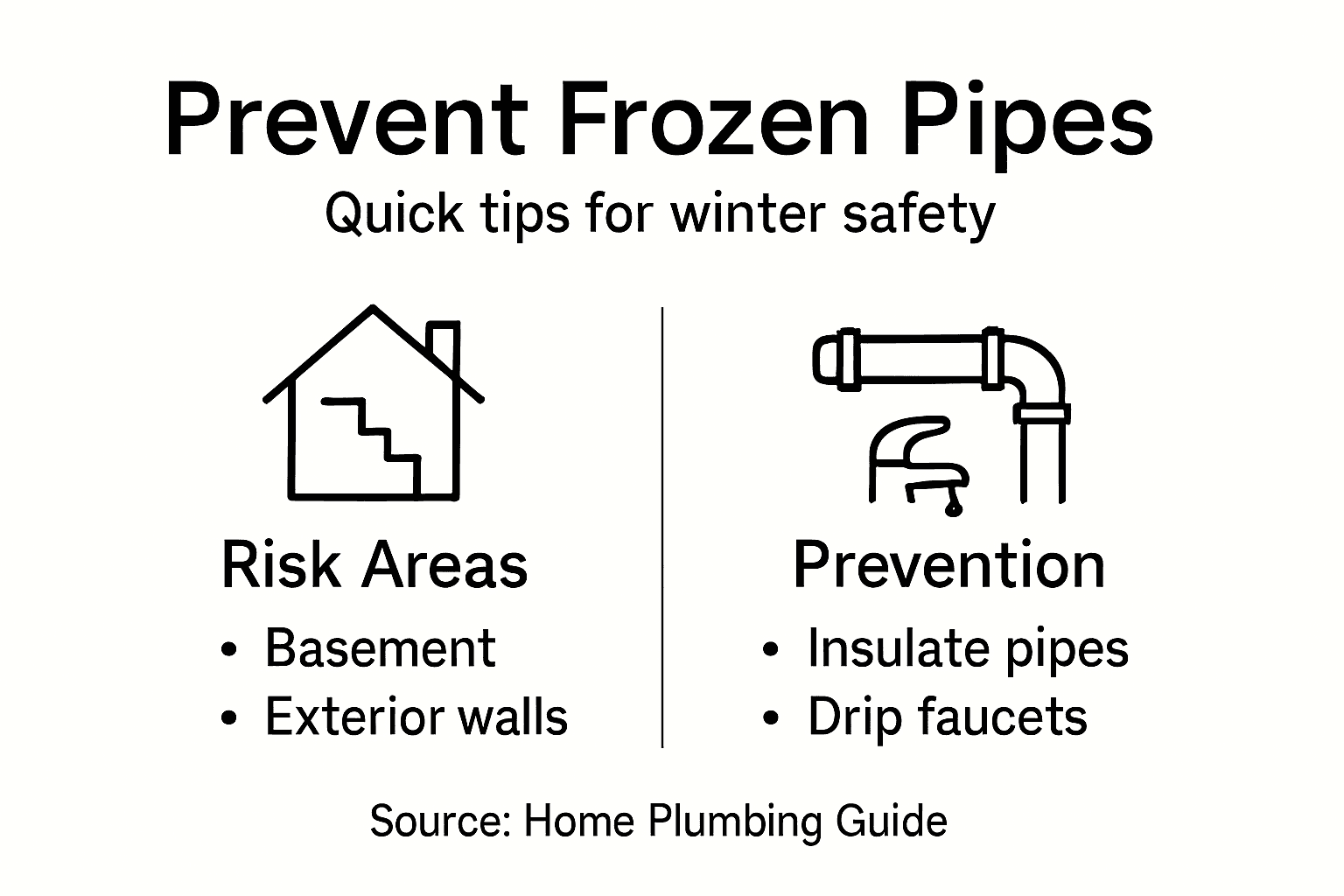
Insulation is the first line of defense against pipe freezing. Homeowners should focus on pipes located in unheated areas like basements, crawl spaces, attics, and exterior walls. Foam pipe sleeves, heat tape, and additional wall insulation can provide critical protection against temperature drops.
Key prevention techniques include:
- Maintaining indoor temperatures above 55°F
- Allowing faucets to drip during extreme cold
- Sealing air leaks near pipe locations
- Opening cabinet doors to circulate warm air
- Disconnecting outdoor garden hoses
- Insulating pipes in unheated spaces
- Closing interior valves supplying outdoor faucets
Common mistakes that increase pipe freezing risks involve neglecting critical maintenance steps and misunderstanding temperature dynamics. Homeowners often make errors such as turning thermostats too low, ignoring pipes in seldom-used spaces, and failing to prepare outdoor water lines before winter arrives. Understanding these potential pitfalls can help prevent expensive and disruptive plumbing emergencies.
Pro tip:Create a winter preparedness checklist for your home’s plumbing system and review it annually before the first freeze.
Protect Your Home From the Devastating Effects of Frozen Pipes
Frozen pipes can cause severe damage to your home’s plumbing system and lead to costly repairs. The article explains how unheated spaces, poor insulation, and prolonged freezing temperatures increase the risk of pipe bursts—problems no homeowner in Belleville, Illinois wants to face. Davinroy Plumbing understands these challenges and offers expert frozen pipe repair services along with comprehensive plumbing solutions to keep your water flowing safely and reliably all winter long.

Don’t wait for a disaster to strike. Visit Davinroy Plumbing today to schedule preventative services or emergency frozen pipe repairs. Our trusted team can help you maintain consistent indoor temperatures, identify vulnerable pipes, and protect your home from major water damage. Act now to avoid costly repairs and enjoy peace of mind this winter. Learn more about our frozen pipe repair services and how we can safeguard your home against cold weather plumbing issues.
Frequently Asked Questions
What causes pipes to freeze?
Pipes freeze when the water inside them drops below 32 degrees Fahrenheit, leading to water solidifying and expanding within the pipe, which can create high pressure and cause ruptures.
Where in my home are pipes most susceptible to freezing?
Pipes in unheated areas such as basements, crawl spaces, attics, and those along exterior walls are most vulnerable. Outdoor hose bibs are also at high risk.
How can I prevent my pipes from freezing during winter?
To prevent frozen pipes, keep indoor temperatures above 55°F, insulate vulnerable pipes, allow faucets to drip during extreme cold, and seal air leaks near pipe locations.
What are the consequences of frozen pipes bursting in my home?
The consequences can include extensive structural damage, loss of water supply, mold growth, and significant financial costs for repairs, which can amount to thousands of dollars.