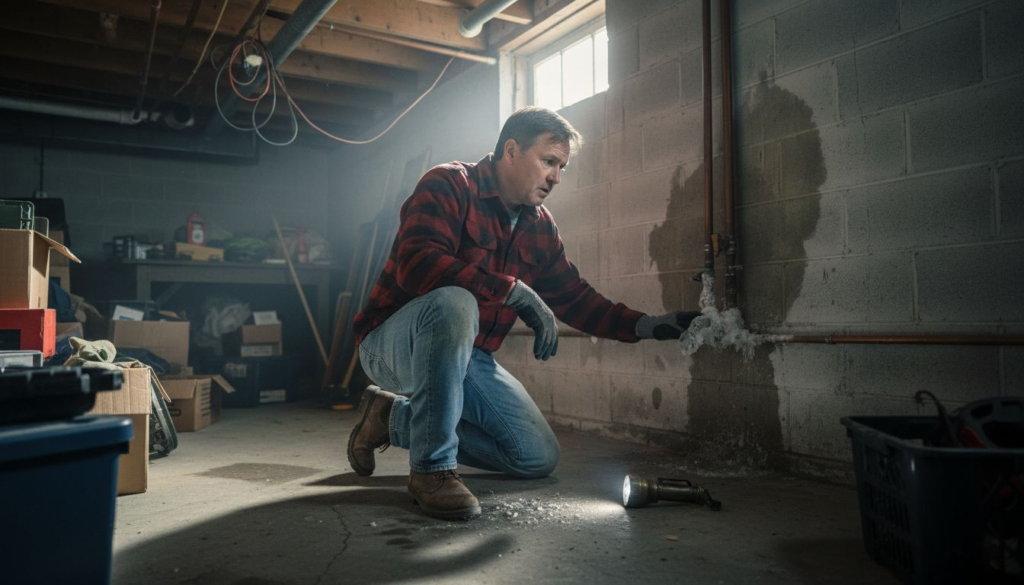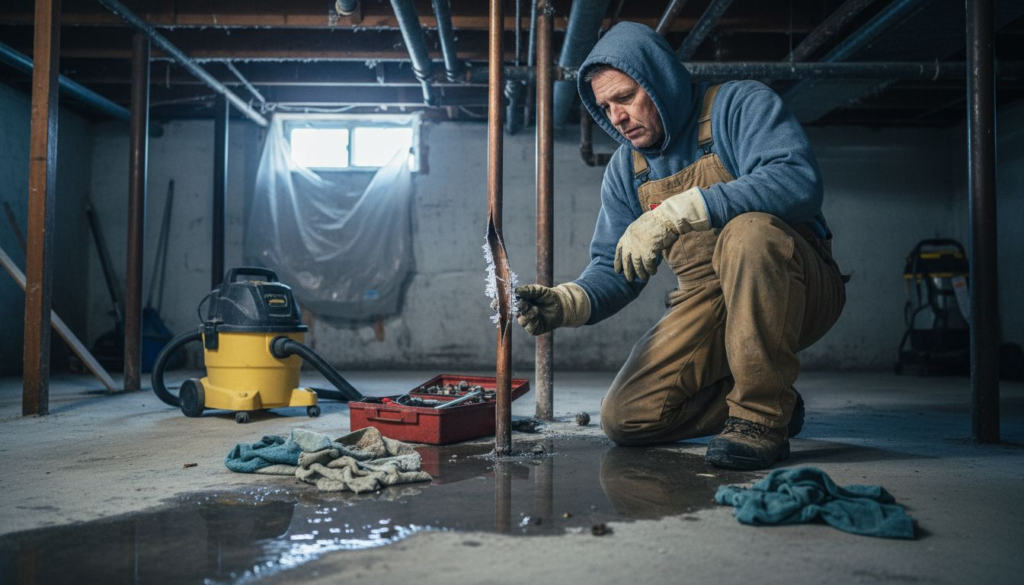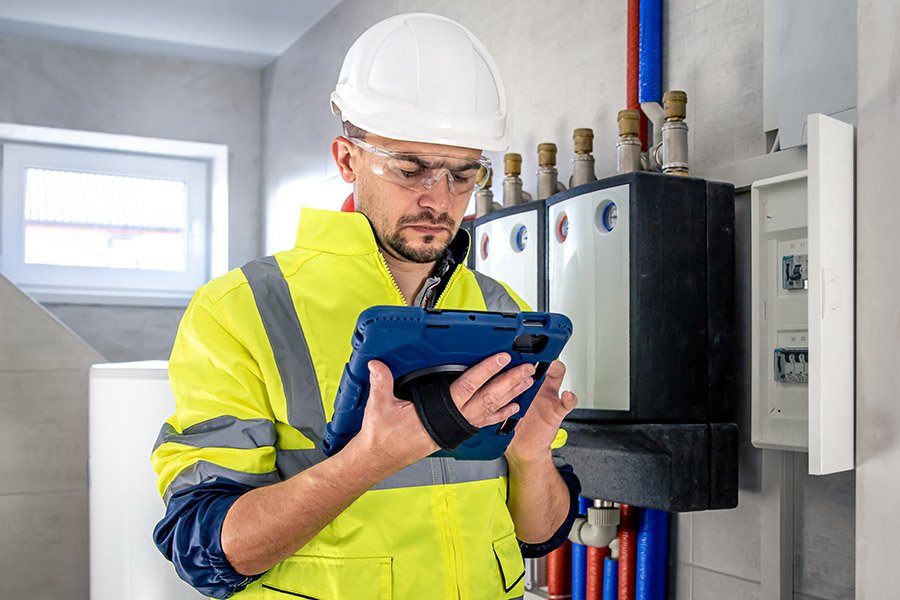
A burst pipe or sudden toilet failure can turn a normal day in Belleville into a stressful scramble for solutions. Plumbing emergencies pose more than just an inconvenience. According to the United States Environmental Protection Agency, premise plumbing systems can quickly expose your household to dangerous pathogens and chemicals if left unchecked. Recognizing the warning signs and understanding immediate action steps helps you protect your home, health, and budget during unexpected water system failures.
Table of Contents
- Defining Plumbing Emergencies And Their Risks
- Types Of Plumbing Emergencies In Homes
- How Emergency Plumbing Response Works
- Immediate Solutions And Homeowner Action Steps
- Risk Factors, Damage, And Legal Concerns
- Preventing Plumbing Emergencies And Costly Repairs
Key Takeaways
| Point | Details |
|---|---|
| Understanding Plumbing Emergencies | Recognize the types of plumbing emergencies that require immediate attention to prevent severe property damage and health risks. |
| Acting Quickly | Homeowners should have a plan in place, including knowing how to quickly shut off water and disconnect power in an emergency. |
| Prevention Strategies | Regular maintenance, such as professional inspections and proper insulation, can significantly minimize the risk of plumbing emergencies. |
| Legal and Financial Impact | Be aware of the potential legal and financial implications of plumbing emergencies to ensure proper management and documentation of all repairs and inspections. |
Defining Plumbing Emergencies and Their Risks
Plumbing emergencies represent critical situations that can rapidly escalate from minor inconveniences to significant property and health risks. These urgent scenarios require immediate attention to prevent extensive damage and potential contamination. For Belleville homeowners, understanding what constitutes a plumbing emergency is the first step in proactive property management.
A plumbing emergency involves any unexpected water system failure that threatens property integrity, water safety, or household health. These incidents typically include:
- Burst pipes causing immediate water damage
- Sewage backups creating potential health hazards
- Complete loss of water pressure or supply
- Significant leaks near electrical systems
- Water heater malfunctions risking scalding or flooding
The health implications of these emergencies are substantial. Premise plumbing system contamination can introduce dangerous pathogens and chemicals into household water supplies. These risks extend beyond immediate property damage, potentially causing serious waterborne diseases such as cholera and Legionellosis.
Understanding the potential consequences helps homeowners recognize when a plumbing issue requires professional intervention. While not every leak constitutes an emergency, certain warning signs demand immediate action. Water intrusion near electrical systems, sewage backups, or uncontrolled water flow can create dangerous conditions within minutes.
Pro tip: Keep your local emergency plumber’s contact information easily accessible and develop a quick response plan before any potential plumbing crisis occurs.
Types of Plumbing Emergencies in Homes
Homeowners face a variety of critical plumbing emergencies that can cause significant damage and potential health risks if not addressed quickly. Understanding these different types of emergencies helps residents recognize when immediate professional intervention is necessary.
The most common plumbing emergencies in residential settings include:
- Burst Pipes: Sudden water line ruptures causing immediate flooding
- Sewage Backups: Dangerous contamination of living spaces with hazardous waste
- Water Heater Failures: Potential scalding risks or complete system breakdown
- Gas Line Leaks: Immediate safety hazards requiring urgent attention
- Sewer Line Blockages: Potential structural damage and health contamination risks
Plumbers face multiple occupational hazards during these emergency scenarios, which underscores the complexity and danger of these situations. Each type of emergency presents unique challenges that can quickly escalate from minor issues to major property damage.
Some emergencies pose immediate health risks beyond structural damage. Sewage backups, for instance, can introduce dangerous pathogens into living spaces, while gas leaks create potential explosion and poisoning risks. Water heater malfunctions might cause scalding or electrical hazards, and burst pipes can lead to extensive water damage and potential mold growth.
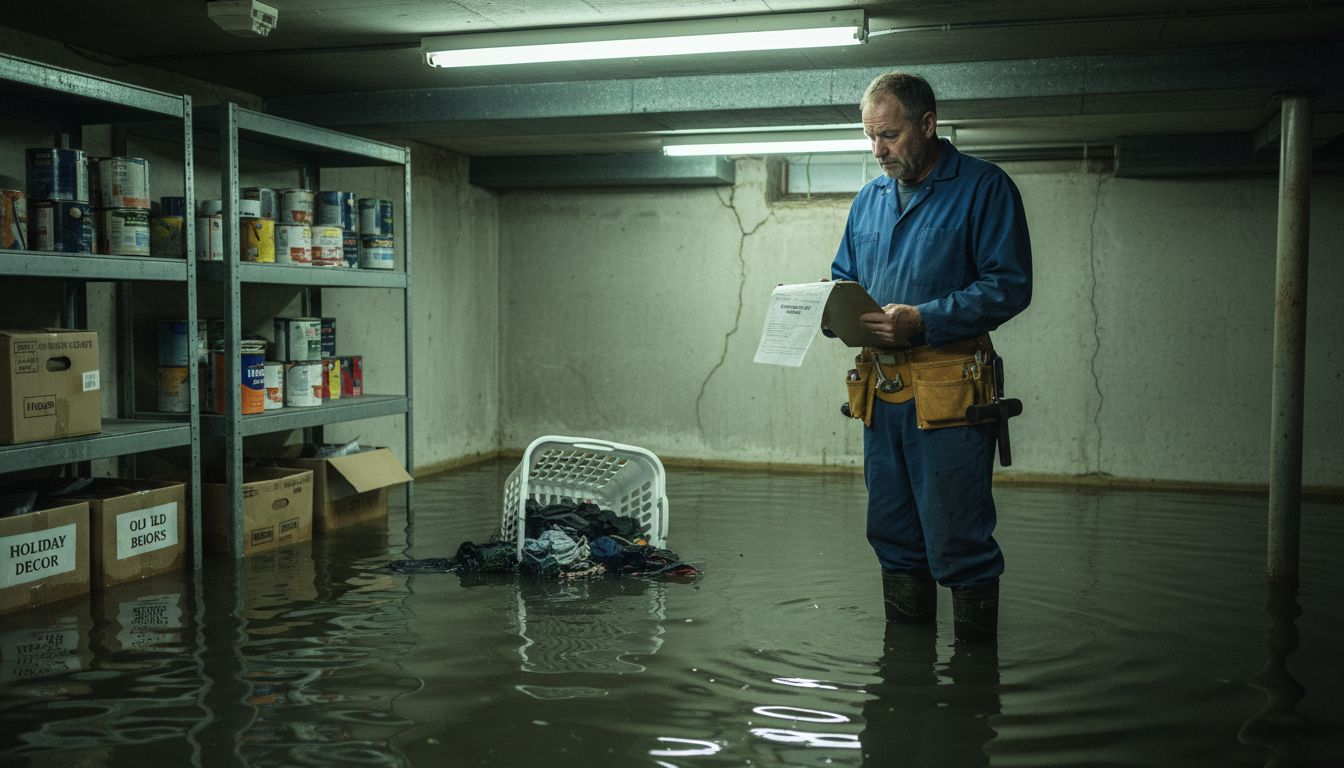
Here’s a summary of how different plumbing emergencies impact health, property, and response urgency:
| Emergency Type | Health Risk Level | Property Damage Potential | Response Urgency |
|---|---|---|---|
| Burst Pipes | Moderate | Severe water damage | Immediate |
| Sewage Backups | High | Contamination, structure | Immediate |
| Water Heater Failure | Moderate | Flooding, scalding | Rapid |
| Gas Line Leak | Very High | Explosion/fire risk | Immediate |
| Sewer Line Blockage | High | Structural, health risks | Rapid |
Pro tip: Create a comprehensive emergency plumbing contact list with local professionals, including after-hours emergency numbers, and keep it easily accessible near your home’s main water shutoff valve.
How Emergency Plumbing Response Works
Emergency plumbing response is a critical, time-sensitive process that requires immediate and strategic intervention to minimize damage and protect household safety. Professional plumbers follow a structured approach to address urgent plumbing issues, focusing on rapid assessment, containment, and resolution of potentially catastrophic problems.
The typical emergency plumbing response typically involves several key stages:
- Immediate Assessment: Quickly evaluating the nature and severity of the plumbing issue
- Damage Containment: Stopping water flow, preventing further property damage
- Risk Mitigation: Identifying potential health and safety hazards
- Diagnostic Evaluation: Determining root cause of the emergency
- Repair and Restoration: Implementing immediate and long-term solutions
Emergency preparedness protocols play a crucial role in managing complex plumbing scenarios. Professionals must rapidly diagnose issues while maintaining strict safety standards, using specialized equipment and protective gear to address potential contamination and structural risks.
The complexity of emergency plumbing responses extends beyond simple repairs. Each situation requires a unique approach, considering factors like water contamination, potential structural damage, and immediate health risks. Professionals must quickly determine whether a situation requires temporary containment or immediate comprehensive repair, balancing urgent intervention with long-term solution planning.
Pro tip: Create a comprehensive home emergency kit that includes shut-off tools, waterproof tape, and emergency contact information for local plumbing professionals.
Immediate Solutions and Homeowner Action Steps
When a plumbing emergency strikes, homeowners must act quickly and strategically to minimize damage and ensure safety. Understanding the correct immediate response can mean the difference between a minor inconvenience and a catastrophic property disaster.
Critical first steps for homeowners during a plumbing emergency include:
- Locate Main Water Shutoff: Immediately stop water flow to prevent additional damage
- Disconnect Electrical Power: Prevent potential electrical hazards near water
- Contain Water Spread: Use towels, buckets, and plastic sheeting to limit damage
- Document Damage: Take photos for insurance purposes
- Contact Professional Plumbers: Secure emergency repair services
Emergency preparedness protocols emphasize the importance of swift, calculated actions during plumbing incidents. Homeowners should prioritize safety, focusing on preventing further damage and minimizing potential health risks associated with water contamination.
Belleville residents must understand that some emergency actions require specific knowledge. For instance, knowing the exact location of your home’s main water shutoff valve can save crucial minutes during a pipe burst or major leak. Some valves are located near the water meter, while others might be in basements, crawl spaces, or exterior utility areas. Quick water isolation prevents extensive flooding and reduces potential structural damage.
Pro tip: Create a laminated emergency response card with your home’s critical shutoff valve locations, emergency plumber contact information, and brief step-by-step action instructions.
Risk Factors, Damage, and Legal Concerns
Plumbing emergencies extend far beyond immediate water damage, presenting complex legal and financial risks that can significantly impact homeowners. Understanding these potential consequences is crucial for proactive property management and risk mitigation in Belleville and surrounding areas.
Key risk factors for plumbing emergencies include:
- Aging Infrastructure: Older pipes prone to unexpected failures
- Poor Maintenance: Neglected systems increasing breakdown probability
- Material Degradation: Corrosion and wear compromising pipe integrity
- Environmental Stressors: Temperature fluctuations and ground movement
- Design Flaws: Substandard original plumbing installation
Legal liabilities related to plumbing failures can involve complex workplace safety regulations and potential compensation claims. Homeowners might face significant financial repercussions if improper maintenance or delayed repairs lead to extensive property damage.
The potential damage from plumbing emergencies goes beyond immediate water intrusion. Prolonged moisture can cause structural weakening, mold growth, and potential health hazards. Insurance complications may arise if homeowners cannot demonstrate reasonable care and prompt intervention during emergency scenarios. Professional documentation and swift professional response become critical in managing potential legal and financial risks.
Pro tip: Maintain a comprehensive home maintenance log documenting all plumbing inspections, repairs, and professional assessments to protect yourself legally and financially.
Preventing Plumbing Emergencies and Costly Repairs
Proactive maintenance is the most effective strategy for preventing plumbing emergencies and avoiding expensive repair costs. Belleville homeowners can significantly reduce their risk of unexpected plumbing failures by implementing strategic preventative measures and understanding potential system vulnerabilities.
Key prevention strategies include:
- Regular Professional Inspections: Annual comprehensive system evaluations
- Pipe Insulation: Protecting against temperature-related stress
- Water Pressure Monitoring: Preventing excessive strain on plumbing infrastructure
- Early Leak Detection: Identifying potential issues before they escalate
- Drainage System Maintenance: Preventing blockages and backups
Engineering strategies to prevent plumbing failures emphasize the importance of systematic approaches to minimizing potential risks. Homeowners must focus on reducing water stagnation, controlling system temperatures, and using materials resistant to microbial growth.
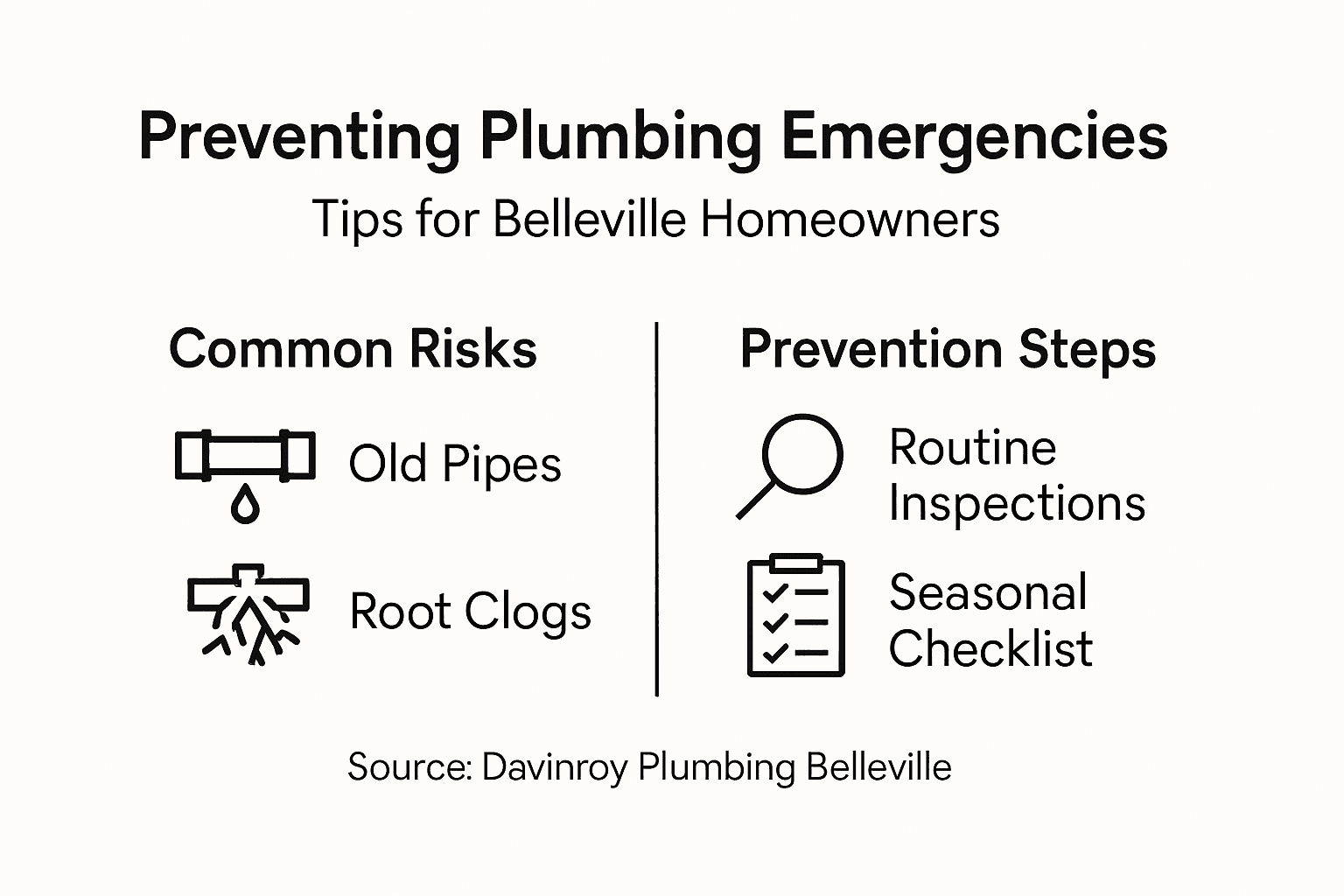
Understanding your home’s specific plumbing characteristics is crucial. Older homes in Belleville may require more frequent inspections due to aging infrastructure and potential material degradation. Recognizing warning signs like unusual noises, slight discolorations, or minor leaks can help homeowners address potential issues before they become catastrophic emergencies that require extensive and expensive repairs.
This table compares common prevention strategies for avoiding plumbing emergencies and potential benefits:
| Prevention Strategy | Frequency/Timing | Main Benefit | Long-Term Impact |
|---|---|---|---|
| Annual Professional Inspection | Once yearly | Early problem detection | Reduced repair costs |
| Pipe Insulation | Before winter | Avoids freezing/bursting | Extends pipe lifespan |
| Water Pressure Monitoring | Monthly | Prevents pipe stress | Fewer major breakdowns |
| Early Leak Detection | Ongoing | Stops small leaks quickly | Minimizes water damage |
| Drainage System Maintenance | Quarterly | Prevents clogs/backups | Healthier plumbing system |
Pro tip: Create a seasonal home plumbing maintenance checklist and set calendar reminders for critical inspection and maintenance tasks to stay proactively ahead of potential emergencies.
Protect Your Belleville Home From Plumbing Emergencies Today
Plumbing emergencies like burst pipes and sewage backups can quickly cause severe damage and health risks in your home. If you face sudden leaks, water heater failures, or worry about frozen pipes, acting fast is critical to prevent costly repairs and protect your family’s safety. Davinroy Plumbing specializes in emergency plumbing services, including hot water tank service and frozen pipe repair, tailored to Belleville homeowners who need expert help when it matters most.

Don’t wait for a small leak to become a disaster. Visit Davinroy Plumbing now to access fast, reliable repairs and expert advice. Learn more about how our professional toilet repair and emergency services can relieve your stress and keep your home safe. Call us today and secure peace of mind by having experienced plumbers ready to respond at any hour.
Frequently Asked Questions
What qualifies as a plumbing emergency?
A plumbing emergency is any unexpected water system failure that threatens property integrity, water safety, or household health, including burst pipes, sewage backups, or significant leaks.
How should I respond immediately during a plumbing emergency?
First, locate your main water shutoff valve to stop water flow, then disconnect electrical power near the water source, and contain water spread with towels or buckets. Document any damage and contact a professional plumber for emergency repairs.
What are the health risks associated with plumbing emergencies?
Plumbing emergencies can lead to health risks such as exposure to sewage and the potential for waterborne diseases. Sewage backups particularly pose significant health hazards due to harmful pathogens.
How can I prevent plumbing emergencies in my home?
Regular professional inspections, pipe insulation, monitoring water pressure, and maintaining your drainage system are effective strategies for preventing plumbing emergencies and costly repairs.
Recommended
- Role of Plumber in Emergencies – What Homeowners Need
- Emergency Plumbing: Fast Solutions for Homeowners
- Plumbing Emergencies Explained: What Belleville Homeowners Need
- Role of Emergency Plumbing: Protecting Belleville Homes
- 7 Essential Emergency Plumbing Tips 2026 For Homeowners – Legacy Plumbing & Drain – Emergency Plumbers Of Sacramento
- Emergency Plumbing Explained: Fast Solutions for Tampa – Home Therapist Cooling, Heating, and Plumbing