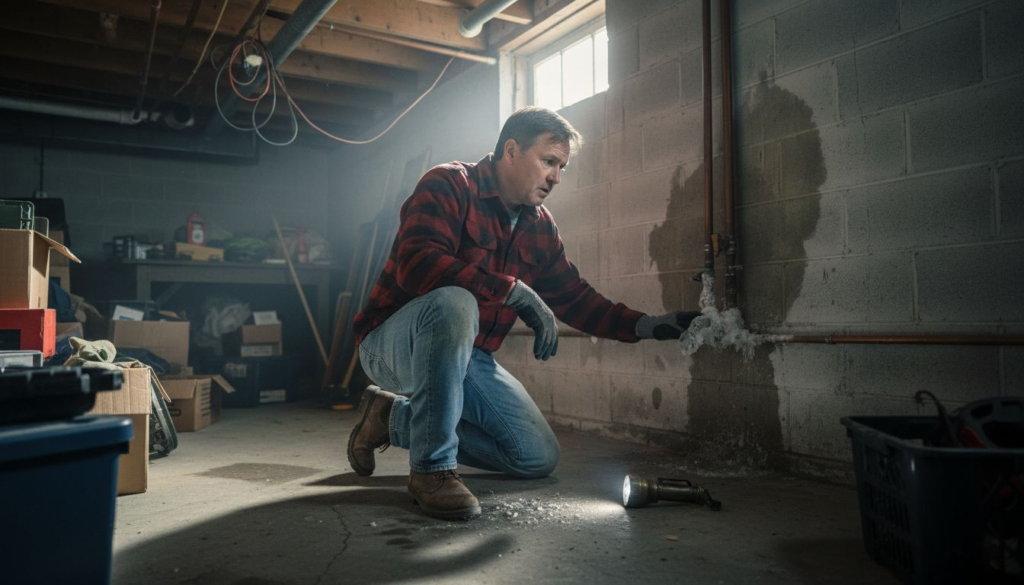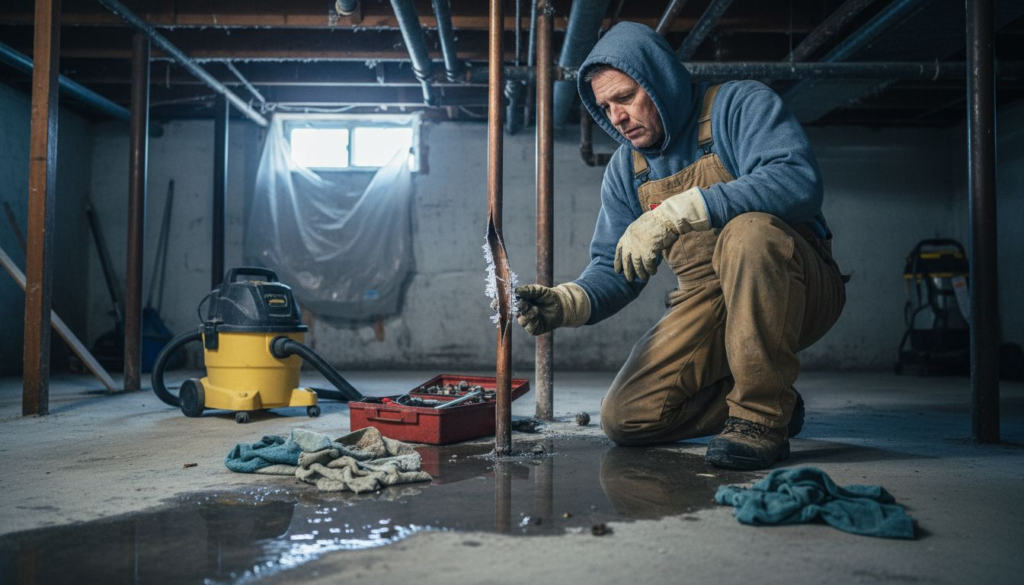
A leaky faucet on a quiet Belleville morning is often just the tip of the iceberg when it comes to home plumbing headaches. When plumbing issues are ignored or misunderstood, minor nuisances can quickly turn into major disruptions for homeowners. By understanding the basics of plumbing system maintenance, you can avoid unexpected expenses and keep your Belleville home’s water supply running smoothly for years to come.
Table of Contents
- Defining Plumbing Maintenance For Homeowners
- Types Of Plumbing Maintenance Tasks
- Core Tools And Techniques Explained
- Recognizing Early Warning Signs
- DIY Versus Professional Maintenance
- Common Mistakes And How To Avoid Them
Key Takeaways
| Point | Details |
|---|---|
| Importance of Plumbing Maintenance | Regular plumbing maintenance is essential for preventing costly repairs and ensuring water safety in homes. Understanding the system helps homeowners address issues proactively. |
| Types of Maintenance Tasks | Homeowners should perform routine inspections, preventive maintenance, and necessary repairs to maintain system efficiency and extend the lifespan of plumbing components. |
| Recognizing Warning Signs | Vigilant monitoring for early warning signs, such as unusual water bills and visual indicators, can help prevent major plumbing issues from escalating. |
| DIY vs. Professional Help | Homeowners should evaluate their skills and limitations when considering plumbing repairs; complex tasks should often be left to professionals to avoid costly mistakes. |
Defining Plumbing Maintenance for Homeowners
Plumbing maintenance is the systematic approach homeowners use to preserve and protect their home’s water delivery and waste removal infrastructure. Understanding these essential systems helps prevent unexpected breakdowns and costly repairs. Plumbing systems involve complex networks of pipes, fixtures, and equipment designed to safely transport water into and out of your home.
At its core, plumbing maintenance encompasses several critical components:
- Regular inspection of water supply lines
- Monitoring drain and waste systems
- Checking water heating equipment
- Preventing pipe corrosion and leaks
- Maintaining proper water pressure
According to the National Standard Plumbing Code, maintenance is fundamental to protecting residential health and safety. The primary objectives include ensuring water quality, preventing contamination, and maintaining system efficiency. Water distribution systems require consistent monitoring to detect potential issues before they escalate into major problems.
Homeowners should understand that plumbing maintenance is not just about fixing problems—it’s about preventing them. This proactive approach involves regular visual inspections, understanding your home’s specific plumbing layout, and knowing when to call professional help. Different pipe materials like copper, steel, and plastic require unique maintenance strategies to maximize their functional lifespan.
Pro tip: Schedule a professional plumbing inspection annually to catch potential issues early and maintain your home’s critical water infrastructure.
Types of Plumbing Maintenance Tasks
Plumbing maintenance encompasses a comprehensive range of tasks designed to keep your home’s water systems functioning efficiently and prevent potential disasters. Routine maintenance tasks involve systematic inspections, cleaning, repairs, and strategic replacements of critical system components that ensure your plumbing infrastructure remains in optimal condition.
The primary types of plumbing maintenance can be categorized into several key areas:
-
Inspection Tasks:
- Visual examination of pipe conditions
- Checking for hidden leaks
- Assessing water pressure
- Evaluating fixture functionality
-
Preventive Maintenance:
- Flushing water heaters
- Cleaning drain lines
- Lubricating valve mechanisms
- Checking for potential corrosion
-
Repair and Replacement Tasks:
- Fixing leaky faucets
- Replacing worn pipe sections
- Upgrading outdated fixtures
- Repairing damaged valves
Homeowners should understand that maintenance goes beyond simple repairs. It involves a strategic approach to identifying potential issues before they escalate into costly emergencies. Professional plumbers recommend a comprehensive maintenance strategy that addresses both visible and hidden components of your home’s plumbing system.
Different plumbing components require unique maintenance approaches. Copper pipes need different care compared to PVC or steel pipes, and water heaters demand specific inspection protocols. Understanding these nuanced requirements helps homeowners develop targeted maintenance strategies that extend the lifespan of their plumbing infrastructure and prevent unexpected breakdowns.
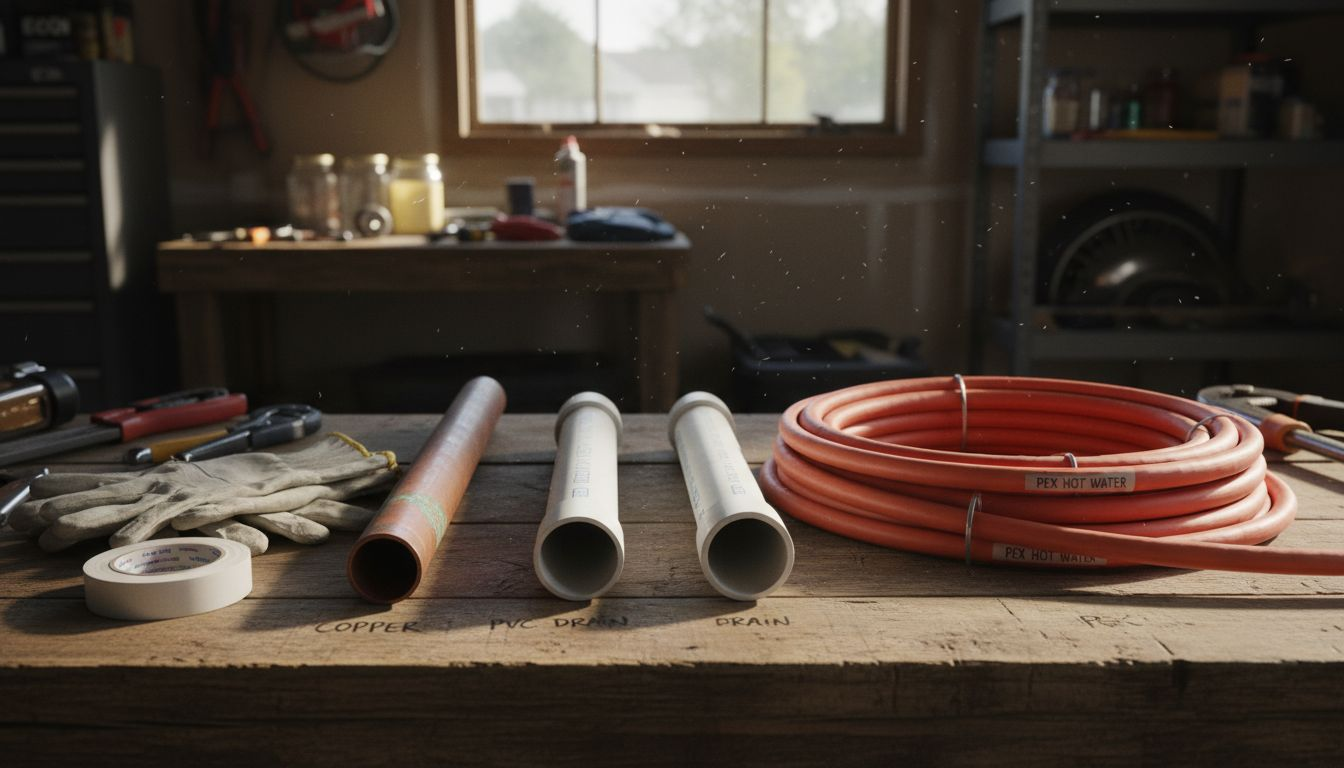
Here’s a summary of how different pipe materials affect maintenance strategies:
| Pipe Material | Typical Maintenance Needs | Common Issues | Expected Lifespan |
|---|---|---|---|
| Copper | Regular corrosion checks | Pinhole leaks | 50+ years |
| PVC | Inspect for cracks | Brittleness | 40 years |
| Steel | Rust prevention | Heavy corrosion | 20-50 years |
| PEX | Monitor for UV damage | Kink repairs | 40 years |
Pro tip: Create a comprehensive plumbing maintenance calendar that tracks inspection dates, repair history, and upcoming service requirements for each major system component.
Core Tools and Techniques Explained
Understanding the right tools and techniques is crucial for effective plumbing maintenance. Common plumbing tools form the foundation of successful home plumbing care, enabling homeowners to address minor issues and perform routine maintenance tasks with confidence.
Essential plumbing tools every homeowner should have include:
-
Hand Tools:
- Adjustable pipe wrench
- Channel lock pliers
- Screwdrivers (Phillips and flathead)
- Hacksaw
- Allen wrenches
-
Specialty Plumbing Tools:
- Plunger
- Drain auger/snake
- Basin wrench
- Pipe cutter
- Plumber’s tape
-
Safety and Diagnostic Equipment:
- Flashlight
- Safety glasses
- Work gloves
- Leak detection devices
- Digital multimeter
Mastering plumbing techniques requires more than just tool ownership. Proper technique involves understanding pipe materials, knowing how to apply the right amount of pressure, and recognizing when a repair is beyond a DIY solution. Different materials like copper, PVC, and steel pipes demand unique approaches, with specific tools designed to work safely with each type of plumbing infrastructure.
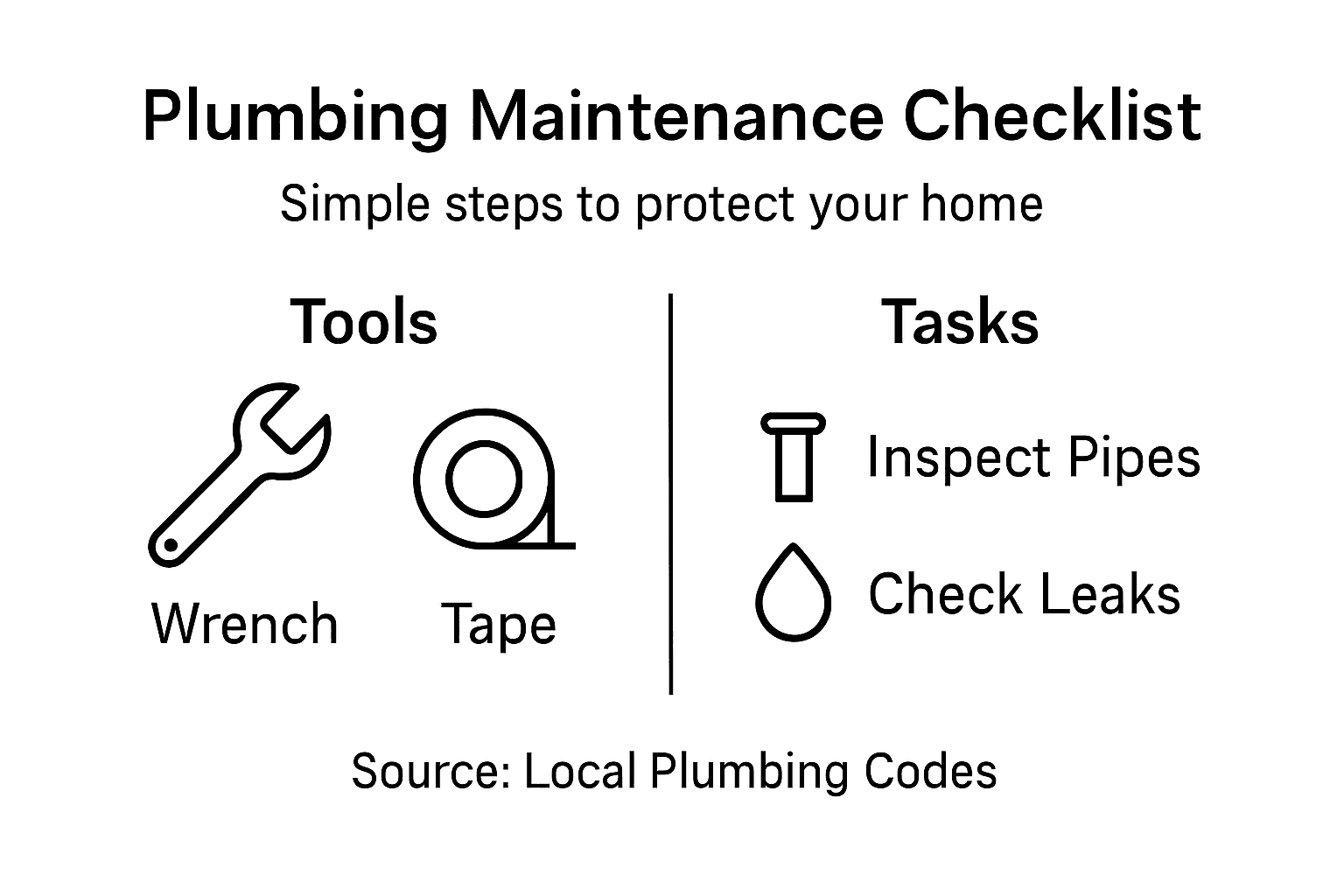
Professional plumbers emphasize the importance of tool maintenance and proper storage. Keeping tools clean, organized, and in good condition ensures they remain effective and extends their functional lifespan. Investing in high-quality tools and learning their correct usage can save homeowners significant money by preventing improper repairs and potential system damage.
Pro tip: Organize your plumbing tools in a dedicated waterproof toolbox and label each compartment to ensure quick access during maintenance emergencies.
Recognizing Early Warning Signs
Homeowners must be vigilant about detecting potential plumbing issues before they escalate into major problems. Water bill warning signs can provide critical early indicators of underlying plumbing system challenges that require immediate attention.
The most critical early warning signs include:
-
Water Bill Indicators:
- Sudden unexpected increases in water costs
- Continuous water meter movement when no water is running
- Unexplained water usage spikes
-
Visual Warning Signs:
- Water stains on walls or ceilings
- Visible pipe corrosion
- Mold growth near plumbing fixtures
- Puddles or wet spots on floors
-
Performance Warning Signs:
- Slow drainage in sinks and showers
- Unusual gurgling sounds in pipes
- Recurring clogs
- Low water pressure
- Inconsistent water temperatures
Recognizing these warning signs requires a combination of regular visual inspections and attentive monitoring of your home’s plumbing system performance. Professional plumbers recommend conducting monthly visual checks of exposed pipes, listening for unusual sounds, and tracking water bill fluctuations as part of a comprehensive maintenance strategy.
Some warning signs are more subtle and require careful observation. Hairline cracks, minor leaks, and slight pressure changes might seem insignificant but can indicate serious underlying issues. Homeowners should develop a systematic approach to monitoring their plumbing infrastructure, treating each unusual symptom as a potential signal of a more significant problem that could lead to extensive and expensive repairs.
Pro tip: Create a monthly plumbing inspection checklist and set calendar reminders to systematically track and document any changes or potential warning signs in your home’s plumbing system.
DIY Versus Professional Maintenance
Navigating the complex landscape of plumbing maintenance requires homeowners to understand the critical distinctions between do-it-yourself repairs and professional interventions. DIY plumbing maintenance tasks can save money, but recognizing your skill limitations is crucial to preventing costly mistakes.
DIY maintenance tasks suitable for homeowners include:
-
Basic Repair Tasks:
- Replacing toilet flappers
- Fixing dripping faucets
- Clearing minor drain clogs
- Cleaning aerator screens
- Resetting garbage disposals
-
Tasks Requiring Professional Help:
- Complex pipe replacements
- Major system modifications
- Water heater installations
- Sewer line repairs
- Compliance with local building codes
-
Skill Assessment Criteria:
- Technical knowledge level
- Available specialized tools
- Complexity of the repair
- Potential risk of damage
- Personal comfort with plumbing work
Professional plumbers bring specialized expertise that goes beyond simple repairs. They understand intricate system dynamics, possess advanced diagnostic tools, and can quickly identify potential issues that might not be apparent to untrained eyes. While DIY repairs can address minor problems, professionals ensure comprehensive solutions that protect your home’s entire plumbing infrastructure.
The financial calculus of DIY versus professional maintenance is nuanced. What appears to be a simple repair can quickly escalate into an expensive disaster if performed incorrectly. Homeowners should carefully evaluate their technical skills, available time, and the potential consequences of a mistake before attempting complex plumbing repairs.
This table highlights key factors to consider when choosing between DIY and professional maintenance:
| Factor | DIY Maintenance | Professional Service |
|---|---|---|
| Cost | Lower upfront expense | Higher but thorough |
| Expertise Required | Basic plumbing skills | Advanced knowledge |
| Tools Needed | Mostly standard hand tools | Specialized diagnostic equipment |
| Risk of Mistakes | Moderate to high | Minimal, backed by warranty |
| Compliance & Safety | Limited understanding | Full code compliance |
Pro tip: Always keep a professional plumber’s contact information readily available, and when in doubt about a repair’s complexity, consult an expert before attempting a potentially risky DIY solution.
Common Mistakes and How to Avoid Them
Understanding and preventing common plumbing mistakes can save homeowners significant time, money, and frustration. Plumbing maintenance errors can lead to serious consequences, including water damage, increased utility bills, and potential structural issues if left unaddressed.
The most frequent plumbing mistakes homeowners make include:
-
Diagnostic Errors:
- Ignoring minor leaks
- Overlooking water pressure changes
- Delaying routine inspections
- Misdiagnosing system problems
-
Technical Mistakes:
- Using incorrect replacement parts
- Improper pipe connections
- Neglecting proper venting
- Incorrect tool usage
- Failing to turn off water supply
-
Material Selection Errors:
- Choosing incompatible pipe materials
- Using low-quality repair components
- Mismatching pipe sizes
- Ignoring manufacturer specifications
Professional plumbers emphasize that many costly repairs stem from seemingly minor oversights. For instance, a small leak left unattended can quickly escalate into significant water damage, potentially compromising your home’s structural integrity. Homeowners should develop a proactive approach to maintenance, learning to recognize early warning signs and understanding when professional intervention is necessary.
Each plumbing system has unique characteristics that require careful consideration. Different pipe materials, local water conditions, and home age all influence maintenance requirements. While DIY repairs can be tempting, they often introduce more complexity and risk than homeowners anticipate. Developing a comprehensive understanding of your specific plumbing infrastructure is crucial to avoiding potentially expensive mistakes.
Pro tip: Invest in a basic plumbing diagnostic kit and maintain a detailed maintenance log to track potential issues and system changes over time.
Protect Your Home with Expert Plumbing Maintenance
The article highlights the critical challenge homeowners face in preventing costly repairs by addressing plumbing system issues early through regular maintenance and professional inspections. If you are concerned about hidden leaks, pipe corrosion, or maintaining proper water pressure, these pain points directly impact your home’s safety and comfort. Davinroy Plumbing understands the urgency of spotting early warning signs and delivering timely solutions for plumbing maintenance, hot water tank servicing, toilet repairs, and frozen pipe emergencies.
Don’t let small plumbing issues escalate into expensive disasters. Act now to safeguard your Belleville, Illinois home with tailored plumbing services from Davinroy Plumbing. Visit us today and benefit from expert care that keeps your plumbing system efficient and reliable year-round. Learn more about our comprehensive hot water tank services or quick toilet repair solutions and take the first step toward worry-free plumbing maintenance.
Frequently Asked Questions
What are the key components of plumbing maintenance for homeowners?
Plumbing maintenance includes regular inspection of water supply lines, monitoring drain and waste systems, checking water heating equipment, preventing pipe corrosion and leaks, and maintaining proper water pressure to ensure system efficiency and water quality.
How can I recognize early warning signs of plumbing issues?
Early warning signs include sudden increases in your water bill, water stains on walls or ceilings, visible pipe corrosion, mold growth near fixtures, slow drainage, unusual gurgling sounds, and low water pressure, all of which indicate potential plumbing problems.
What are some common DIY plumbing maintenance tasks?
Common DIY tasks include replacing toilet flappers, fixing dripping faucets, clearing minor drain clogs, cleaning aerator screens, and resetting garbage disposals. However, more complex repairs should generally be handled by professionals.
How can using different pipe materials affect my plumbing maintenance strategy?
Different pipe materials like copper, PVC, and steel have unique maintenance needs and issues. For example, copper pipes require regular corrosion checks, while PVC pipes need to be inspected for cracks. Understanding these differences aids homeowners in developing effective maintenance strategies.