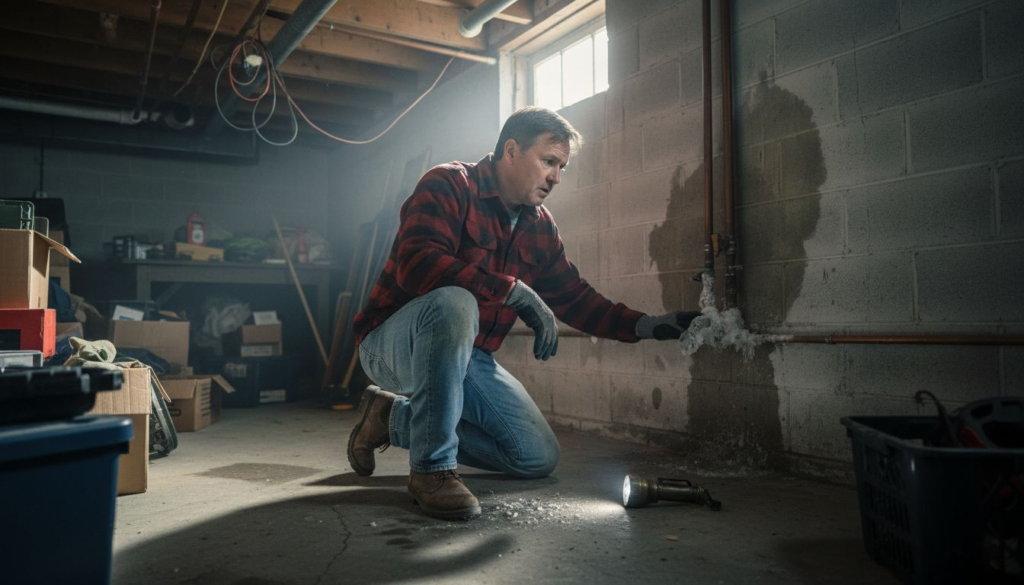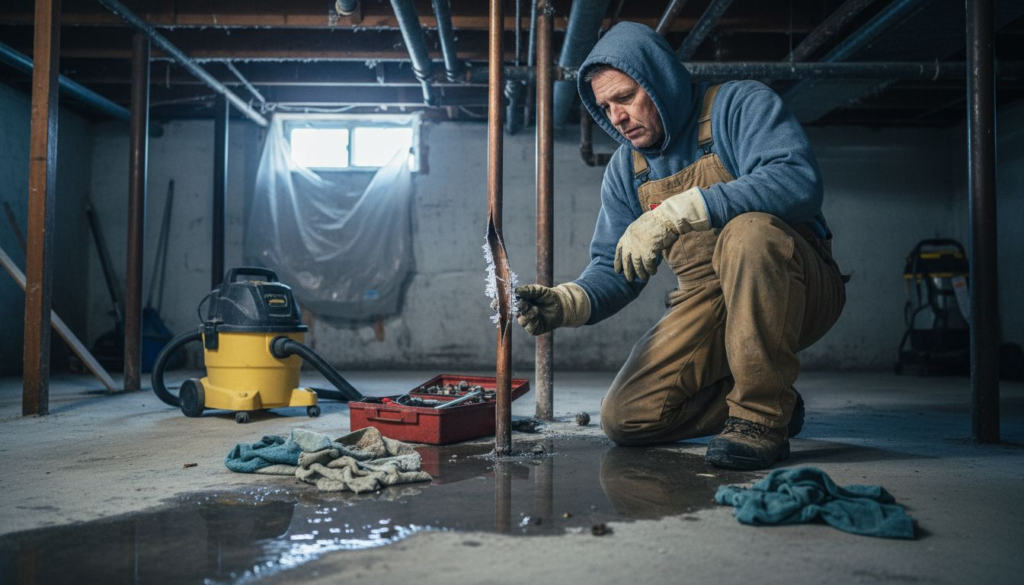
A burst water pipe can release hundreds of gallons in just one hour, threatening the safety and structure of any American home. Plumbing emergencies demand fast decisions that protect your property and your family’s health. Homeowners in Belleville, Illinois know these crises can show up without warning, turning ordinary days upside down. Discover the telltale signs of a true emergency and what immediate steps bring calm—and a professional fix—when minutes matter most.
Table of Contents
- What Makes A Plumbing Emergency
- Types Of Emergency Plumbing Situations
- How Plumbers Respond To Urgent Calls
- Preventing Water Damage And Safety Risks
- Costs, Misconceptions, And Choosing Wisely
Key Takeaways
| Point | Details |
|---|---|
| Emergency Plumbing Situations | Immediate response is critical for problems like burst pipes, sewer backups, and water heater failures to prevent extensive damage and health risks. |
| Importance of Professional Help | DIY repairs can lead to costly mistakes; hiring licensed professionals ensures effective solutions and long-term reliability. |
| Preventative Measures | Regular maintenance and inspections can mitigate the risk of plumbing emergencies and associated safety hazards. |
| Choosing the Right Plumber | Evaluate factors such as licensing, customer reviews, and warranties to ensure quality service and protect your investment. |
What Makes a Plumbing Emergency
A plumbing emergency represents a critical situation that demands immediate intervention to prevent significant property damage and potential health hazards. Unlike routine maintenance issues, these scenarios require urgent action and professional expertise. Rapid response capabilities are essential in mitigating potential catastrophic outcomes.
Several key indicators distinguish a genuine plumbing emergency from standard repair needs. These include sudden water pipe bursts, complete sewer system backups, water heater failures causing potential scalding or electrical risks, extensive drain blockages threatening sanitation, and frozen pipes at risk of catastrophic rupture. Each scenario presents unique challenges that can rapidly escalate from inconvenient to destructive within minutes.
Critical elements that transform a plumbing issue into an emergency typically involve three primary factors: potential for immediate structural damage, risk of water contamination, and threats to personal safety. A burst pipe can release hundreds of gallons per hour, causing floors to warp, walls to deteriorate, and creating ideal conditions for mold growth. Sewage backups introduce dangerous pathogens, while electrical system interactions with water create severe shock and fire hazards.
Pro tip: Keep emergency contact information for a local plumbing service programmed into your phone and know the location of your home’s main water shutoff valve to minimize potential damage during unexpected plumbing crises.
Types of Emergency Plumbing Situations
Plumbing emergencies encompass a range of critical situations that can rapidly compromise home safety and structural integrity. These urgent scenarios demand immediate professional attention to prevent extensive damage and potential health risks. Severe plumbing health hazards can emerge from multiple unexpected system failures that threaten a home’s basic functioning.
The most common emergency plumbing situations include catastrophic events such as burst pipes, sewer system backups, water heater malfunctions, extensive drain blockages, and frozen pipe ruptures. Each scenario presents unique challenges: burst pipes can release hundreds of gallons per hour, causing immediate flooding and potential structural damage; sewer backups introduce dangerous pathogens and contamination; water heater failures can create electrical and scalding risks; and frozen pipes pose immediate threat of complete system breakdown.
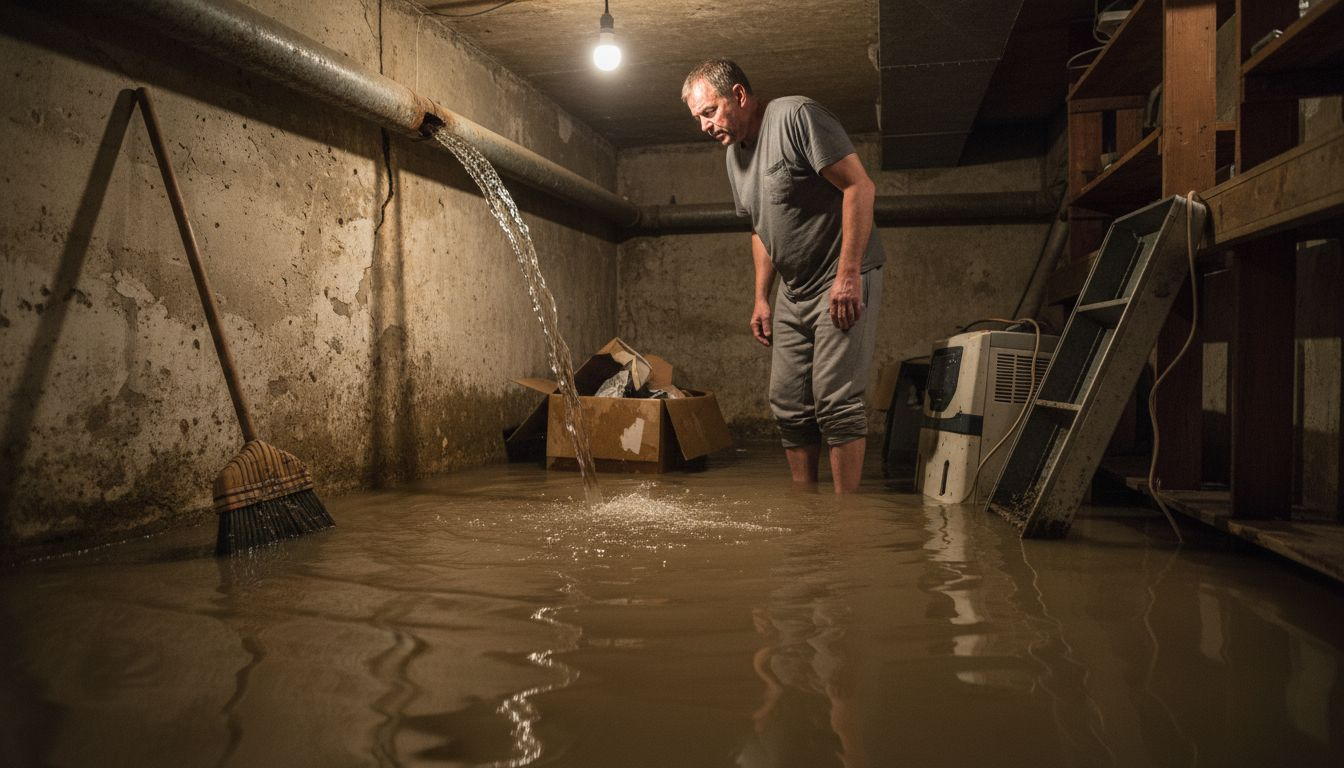
Beyond immediate water-related risks, plumbing emergencies can create complex secondary problems. Prolonged water exposure leads to mold growth, wood rot, and electrical system damage. Sewage backups can contaminate living spaces with dangerous bacteria, while gas leaks from compromised plumbing systems create potential explosion and poisoning risks. Cross-contamination between water systems becomes a significant concern, potentially introducing harmful microorganisms into drinking water supplies.
Here’s a comparison of common emergency plumbing situations and their specific hazards:
| Emergency Scenario | Immediate Risk | Common Long-Term Impact |
|---|---|---|
| Burst Pipe | Flooding, water damage | Mold growth, wood rot |
| Sewer Backup | Pathogen exposure | Contamination, odor issues |
| Water Heater Failure | Scalding, electrical | Corrosion, system breakdown |
| Frozen Pipe Rupture | Pipe bursts | Plumbing replacement costs |
| Extensive Blockage | Sanitation threat | Structural moisture damage |
Pro tip: Create an emergency plumbing kit with essential tools like a pipe wrench, adjustable pliers, waterproof tape, and a list of emergency contact numbers to help mitigate potential damage before professional help arrives.
How Plumbers Respond to Urgent Calls
When a plumbing emergency strikes, professional plumbers activate a systematic and rapid response protocol designed to minimize damage and restore system functionality. Emergency service protocols guide their approach, ensuring quick and effective intervention that prioritizes homeowner safety and property protection. These trained professionals understand that every minute counts during a critical plumbing incident.
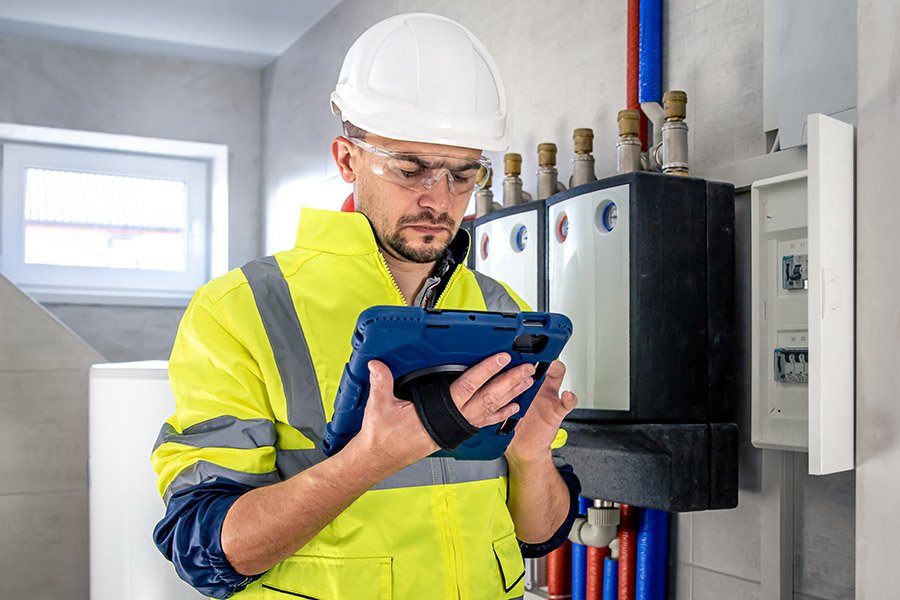
The initial response involves a comprehensive assessment of the emergency situation. Plumbers quickly evaluate the extent of the problem, identifying potential risks such as water contamination, electrical hazards, or structural damage. They immediately implement safety measures like shutting off main water valves, disconnecting electrical systems near water sources, and containing potential water spread. Specialized diagnostic tools allow them to precisely locate the source of the problem, whether it’s a hidden pipe leak, a sewage backup, or a malfunctioning water heater.
After initial stabilization, plumbers develop a strategic repair plan that addresses both immediate and long-term concerns. This typically involves performing temporary repairs to prevent further damage, followed by a comprehensive solution that fully resolves the underlying issue. Communication is a critical component of their response, with professionals providing homeowners detailed explanations of the problem, proposed solutions, and potential preventative measures to avoid similar emergencies in the future. They also document the entire process, which can be crucial for insurance claims and future maintenance planning.
Pro tip: Prepare a digital folder with your home’s plumbing blueprint, recent maintenance records, and emergency plumber contact information to help professionals respond more efficiently during urgent situations.
Preventing Water Damage and Safety Risks
Water damage prevention requires a proactive approach that combines regular maintenance, strategic home protection, and understanding potential plumbing vulnerabilities. Plumbing health hazards extend beyond simple water damage, encompassing critical risks like contamination, structural compromise, and potential health threats that can emerge from poorly maintained systems.
Homeowners must implement comprehensive strategies to mitigate water damage risks. This includes routine inspection of pipes, water heaters, and potential leak points, particularly in areas prone to temperature fluctuations or high moisture. Critical prevention techniques involve checking pipe insulation, monitoring water pressure, identifying early signs of corrosion, and maintaining proper drainage systems. Potential vulnerabilities like aging pipes, tree root intrusions, and hidden leaks require systematic assessment to prevent catastrophic failures that could lead to extensive property damage.
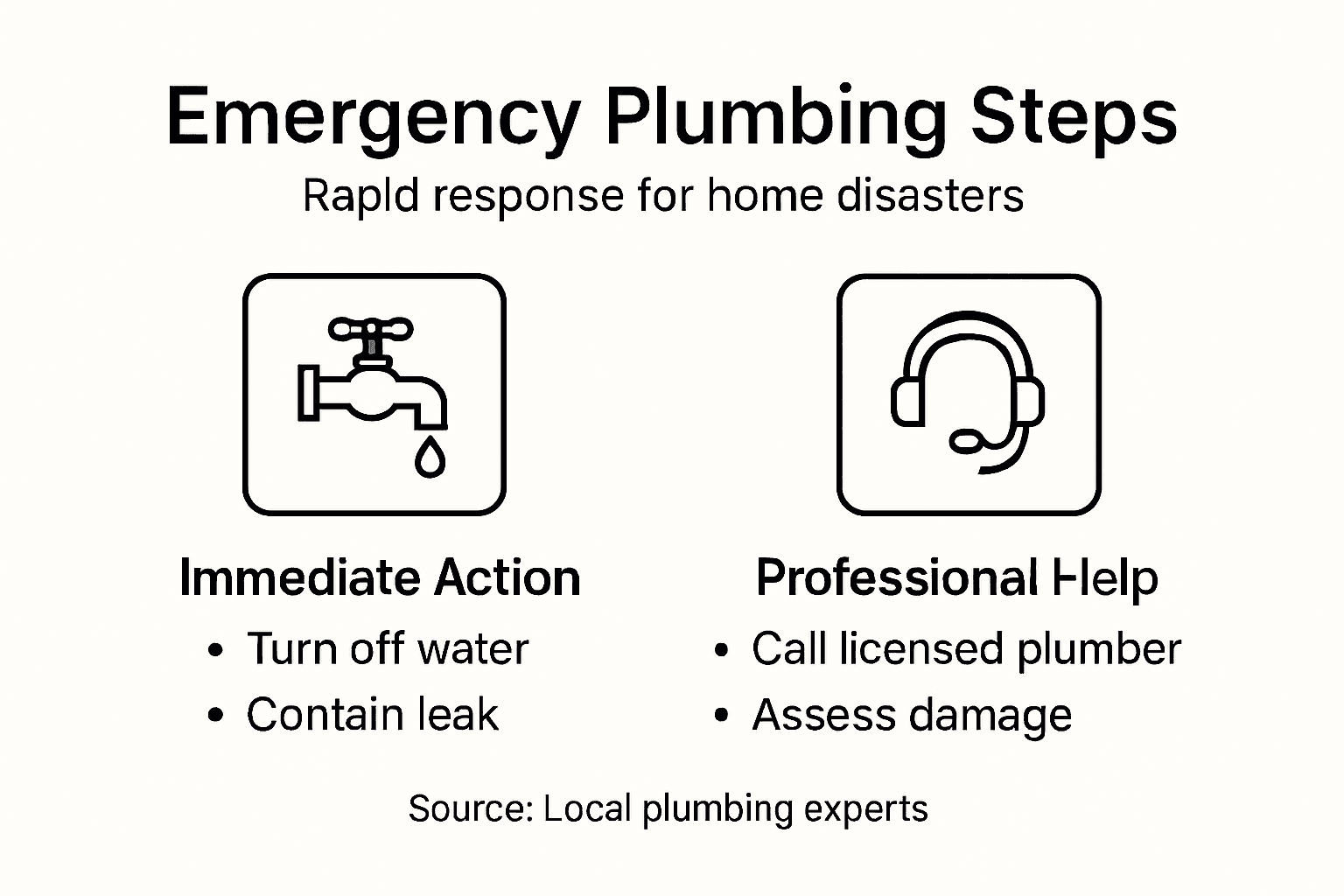
Safety risks associated with plumbing emergencies go beyond water damage and include potential electrical hazards, mold growth, and contamination risks. Electrical systems near water sources can create shock and fire risks, while prolonged moisture creates ideal conditions for toxic mold development. Homeowners should prioritize maintaining proper ventilation, quickly addressing any water intrusion, and ensuring electrical systems are professionally evaluated after significant water exposure. Professional plumbers can conduct comprehensive risk assessments, identifying potential hazards before they escalate into dangerous situations.
Pro tip: Install water leak detection sensors in critical areas like basements, near water heaters, and under sinks to provide early warning and help prevent extensive water damage before it becomes a major issue.
Costs, Misconceptions, and Choosing Wisely
Homeowners often approach plumbing services with preconceived notions that can lead to costly mistakes. Professional plumbing myths frequently prevent individuals from making informed decisions about their home’s critical infrastructure. Understanding the true value of professional plumbing services goes far beyond simple repair work, encompassing long-term system reliability and potential cost savings.
Many homeowners mistakenly believe that DIY repairs or choosing the cheapest service option will save money. In reality, amateur repairs can create more extensive and expensive damage, potentially voiding warranties and compromising home safety. Professional plumbers bring specialized knowledge, advanced diagnostic tools, and an understanding of complex building codes that DIY approaches cannot match. Their expertise ensures not just immediate problem resolution, but also preventative maintenance that can significantly reduce future repair costs and extend the lifespan of plumbing systems.
Choosing the right plumbing professional requires careful consideration beyond just price. Key factors include verifying licensing, checking professional certifications, reviewing past customer experiences, and understanding the full scope of services offered. Reputable plumbers provide transparent pricing, detailed explanations of proposed work, and warranties that protect homeowners’ investments. They also stay current with the latest technologies and sustainable plumbing practices, offering solutions that are not just effective but environmentally responsible and energy efficient.
This table summarizes ways to evaluate and select reliable plumbing professionals:
| Criteria | What to Look For | Why it Matters |
|---|---|---|
| Licensing & Certification | Valid professional license | Legal compliance, expertise |
| Customer Reviews | Consistent positive feedback | Service quality, reliability |
| Scope of Services | Detailed work explanations | Transparent, thorough repairs |
| Warranties & Guarantees | Written protection for work | Safeguards future costs |
| Use of Technology | Advanced diagnostic tools | More accurate, efficient fixes |
Pro tip: Request and verify a plumber’s professional license, read multiple customer reviews, and ask for detailed written estimates that break down potential costs before committing to any plumbing service.
Be Ready When Plumbing Emergencies Strike With Professional Help
Plumbing emergencies like burst pipes and frozen pipe ruptures can cause serious water damage, mold growth, and health risks in your Belleville home. Recognizing the urgent need for rapid response and expert repair is critical to protect your property and loved ones from these costly challenges. Davinroy Plumbing specializes in fast, reliable frozen pipe repair and comprehensive emergency solutions tailored to prevent further damage and restore safety.

Don’t wait for a minor leak to become a flooding disaster. Our skilled plumbers offer trusted hot water tank service and emergency plumbing repairs with transparent pricing and effective prevention advice. Visit https://davinroyplumbing.com now to secure 24/7 professional support and keep your home protected when every minute counts.
Frequently Asked Questions
What are common plumbing emergencies homeowners should be aware of?
Common plumbing emergencies include burst pipes, sewer system backups, water heater failures, extensive drain blockages, and frozen pipe ruptures. Each scenario presents immediate risks to safety and potential long-term damage.
How do plumbers respond to plumbing emergencies?
Plumbers respond by assessing the situation quickly, implementing safety measures, and using specialized tools to locate problems. They then develop a strategic repair plan, perform temporary fixes if necessary, and provide communication on the situation and proposed solutions.
What are some preventive measures to avoid plumbing emergencies?
Preventive measures include regular inspections of pipes and water heaters, monitoring for early signs of corrosion, ensuring proper insulation, and maintaining drainage systems. Additionally, installing water leak detection sensors can provide early warnings.
How can I choose a reliable plumber for emergencies?
When selecting a plumber, verify their licensing, check for professional certifications, review customer feedback, and ensure they offer clear explanations of services. Inquire about warranties for their work to safeguard against future costs.